Why Kapampangans cook the way they do
From Spanish friars to a republic's first banquet, how Kapampangan cooking became its own tradition.
✓ Reviewed by our editors
Discover Pampanga Editors · October 2026
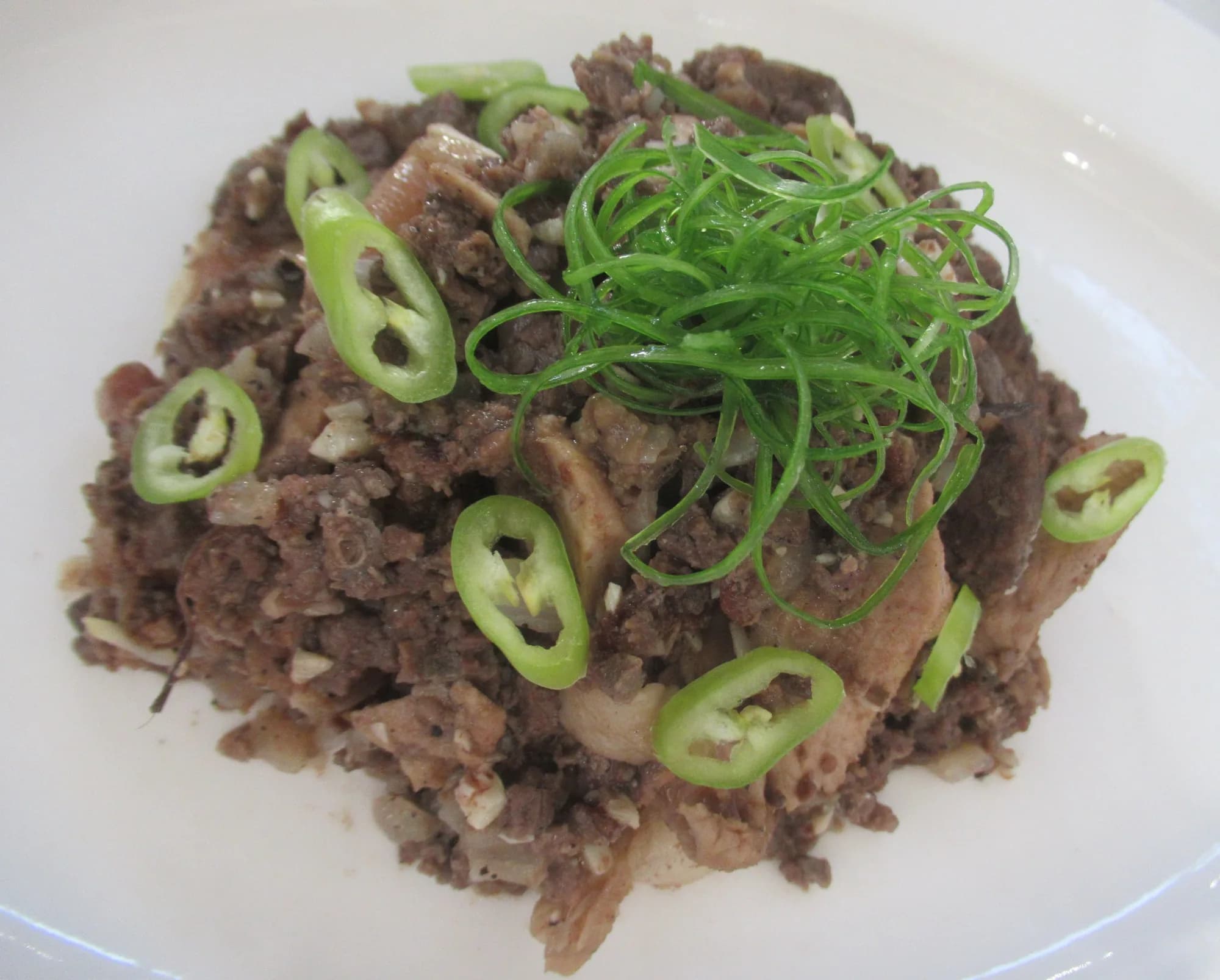
Illustrative photo. Photo: Valenzuela400 on Wikimedia Commons · CC BY-SA · via Wikimedia Commons
In a traditional Kapampangan house, the kitchen is the biggest room and the busiest. That says a lot about a province whose cooking stands apart from the rest of the country.
Lessons from Spain
Under Spanish rule, friars and sailors taught Kapampangans the basics of Spanish cooking. The cooks then made something of their own, a blend that surprised even Spanish palates. Dishes such as morcon, menudo, caldereta, estofado, embotido, asado and lengua show that heritage, alongside native classics like tocino, longganisa and the saffron rice nasing biringyi, a fiesta dish compared to biryani.
Cooking for dignitaries
In the late 18th century, the Arnedo family of Apalit was asked by the colonial government to entertain foreign visitors, among them a Cambodian prince and a Russian archduke. Kapampangan cooks also prepared the meals at the proclamation of the First Philippine Republic in Malolos.
Fearless eating
Kapampangans are proud of dishes others might hesitate over: fermented mudfish and rice from Candaba, stuffed frogs from Mexico and Magalang, crickets sautéed in vinegar and garlic, and heritage stews such as tidtad. Sisig, now a national favourite, is the most famous of all; start at Aling Lucing Sisig in Angeles.
Spotted something out of date? Suggest a correction.
More in Pampanga
 © EyeTrick on Wikimedia Commons · CC BY
Community
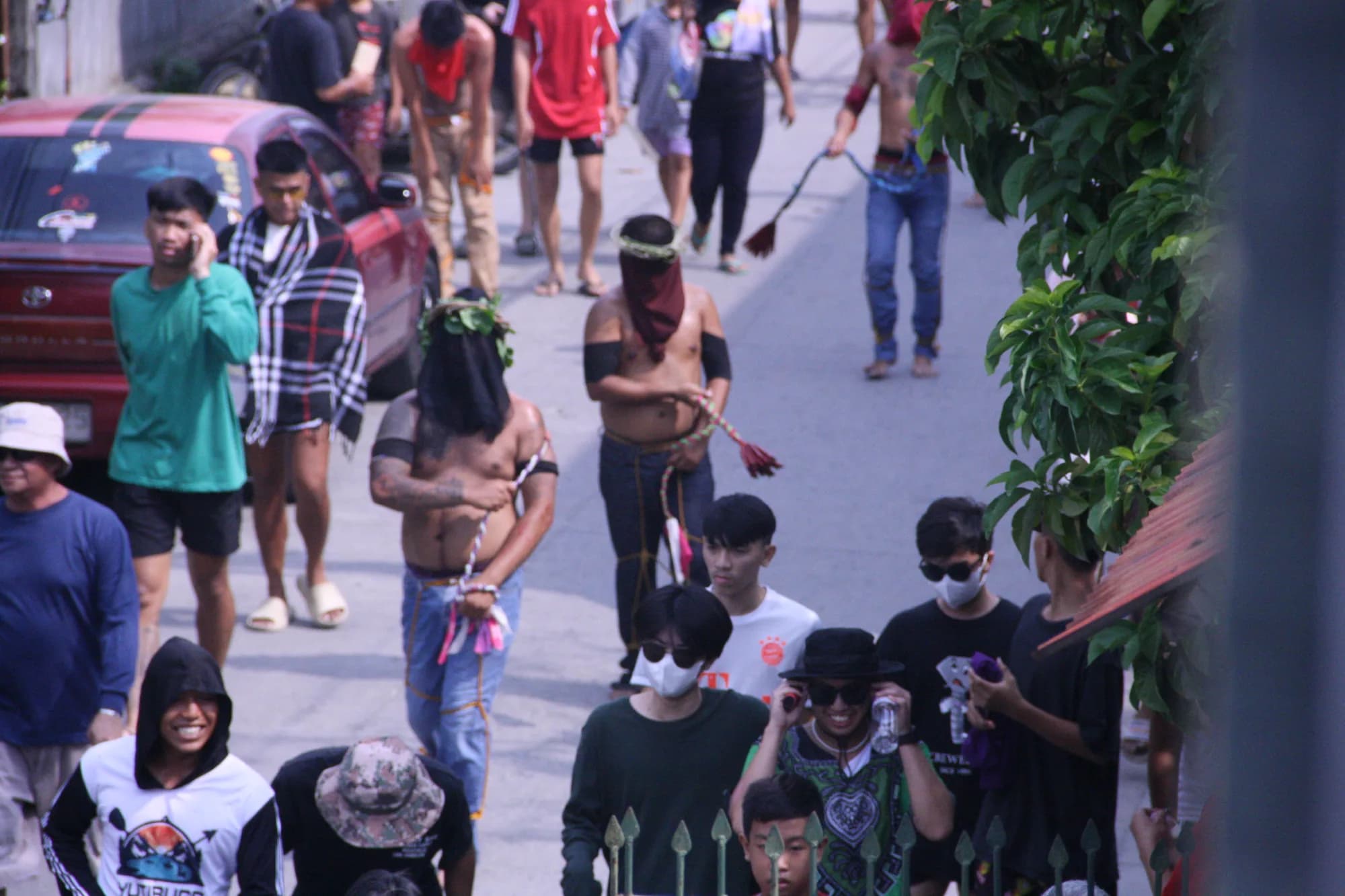
Pasyon, penitents and procession: Holy Week in Pampanga
Opera-tune Pasyon chants, penitents on the roads and a Christ taken down from the cross: the Holy Week traditions of Pampanga.
 © Patrickroque01 on Wikimedia Commons · CC BY-SA
Culture
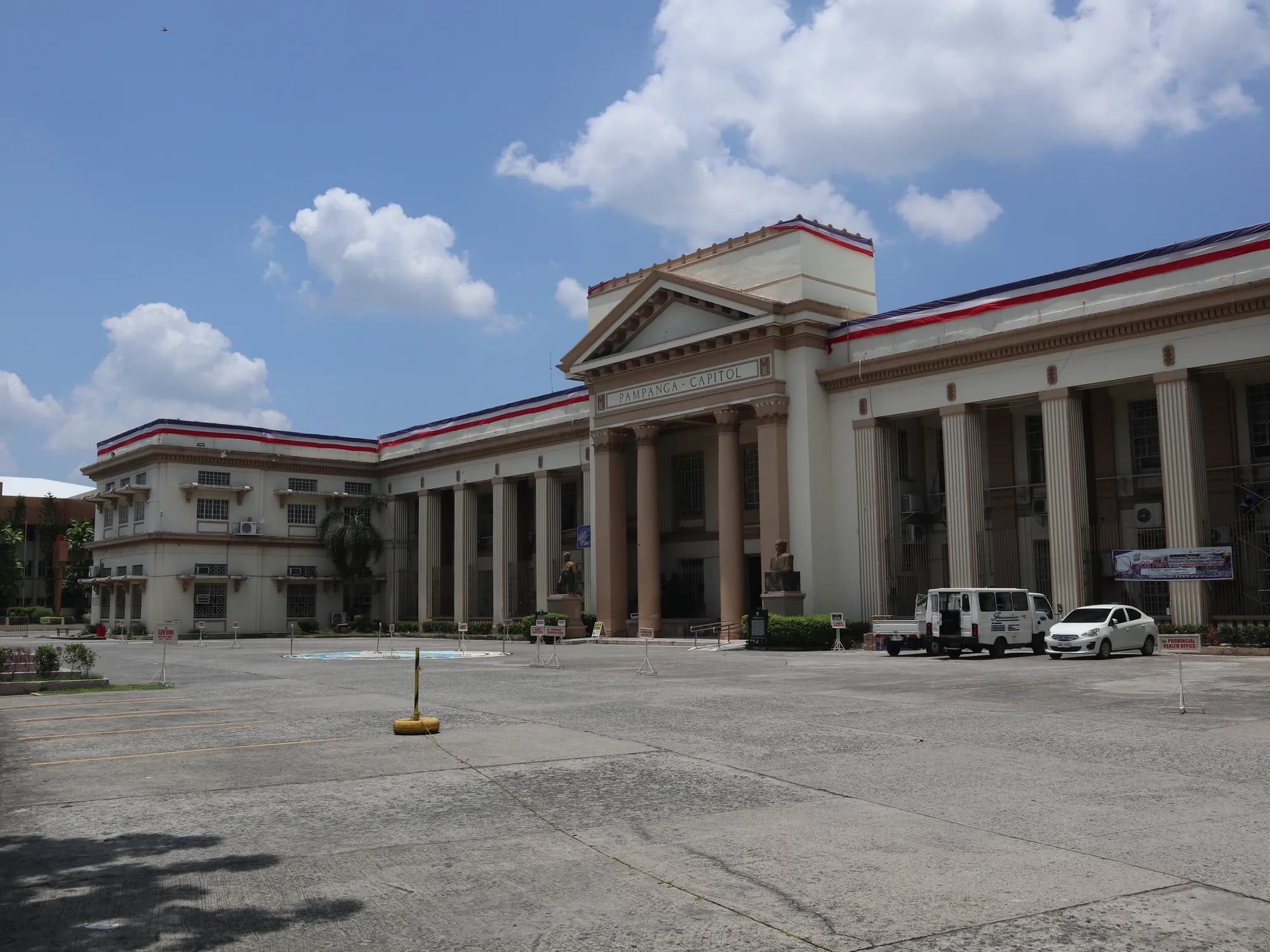
Aldo ning Kapampangan: the province that began in 1571
Why Pampanga celebrates every December 11, and how a day for the province became a showcase of its towns' festivals.
Things to do nearby

Culture
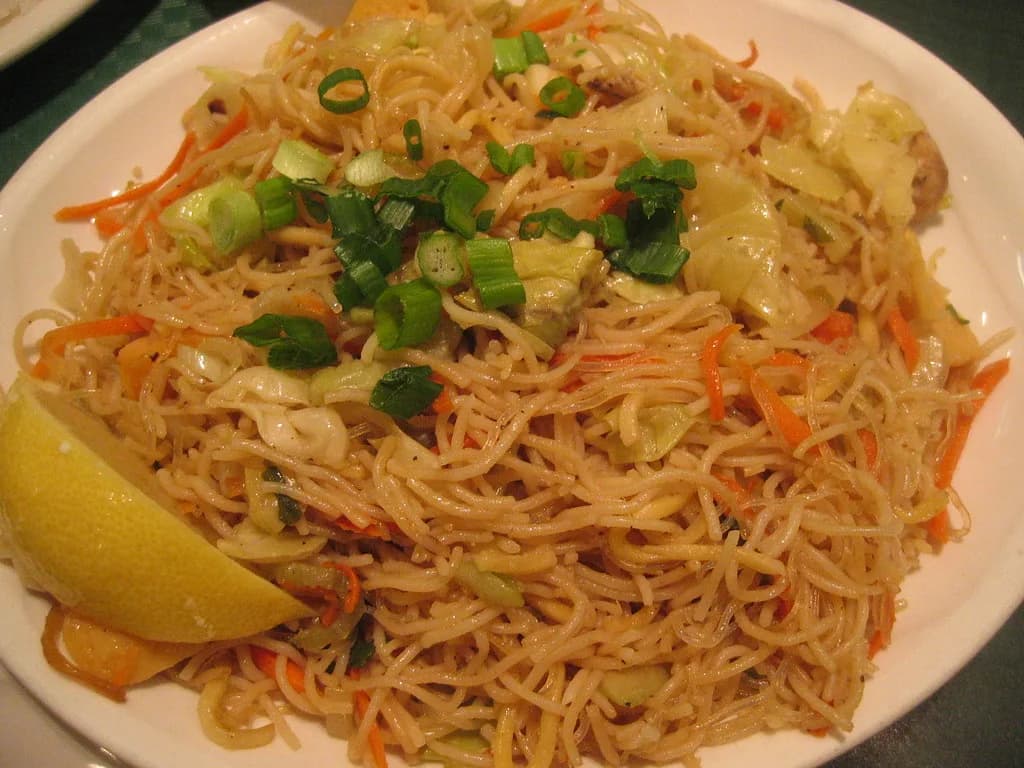
Pampanga Food Tour by Regent Holidays
Nine-hour food tour from Manila: lechon breakfast in Guagua, turrones makers in Santa Rita and lunch with Atching Lilian.
Culture
Roots and Recipes: Pampanga Culinary Tour
Day-long Department of Tourism food tour: heirloom breakfast with Atching Lilian, a market calesa ride and wood-fired Kapampangan lunch.