 © Ralff Nestor Nacor on Wikimedia Commons · CC BY-SA
Culture
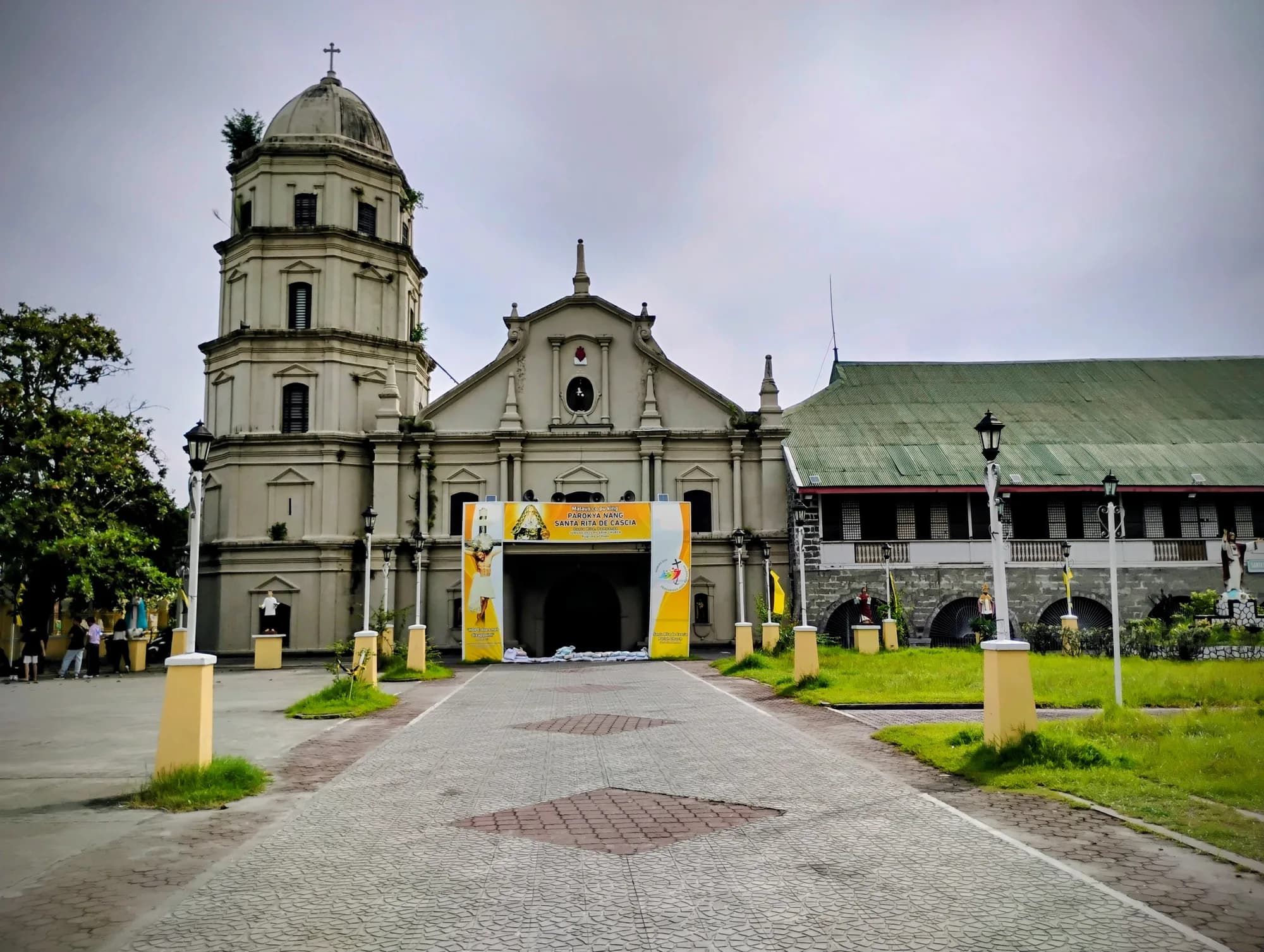
Saint Rita's relic in Santa Rita
Since 2008 the town named for Saint Rita of Cascia has kept a first-class relic of her, shown to the faithful every August 17.
Santa Rita
Stories
© Ralff Nestor Nacor on Wikimedia Commons · CC BY-SACulture
Since 2008 the town named for Saint Rita of Cascia has kept a first-class relic of her, shown to the faithful every August 17.
 © Ralff Nestor Nacor on Wikimedia Commons · CC BY-SA
Culture
Santa Ana's parish keeps a bone relic of its patron with a Roman certificate from 1796. The story of the church that holds it.
 © Judgefloro on Wikimedia Commons · CC BY-SA
History
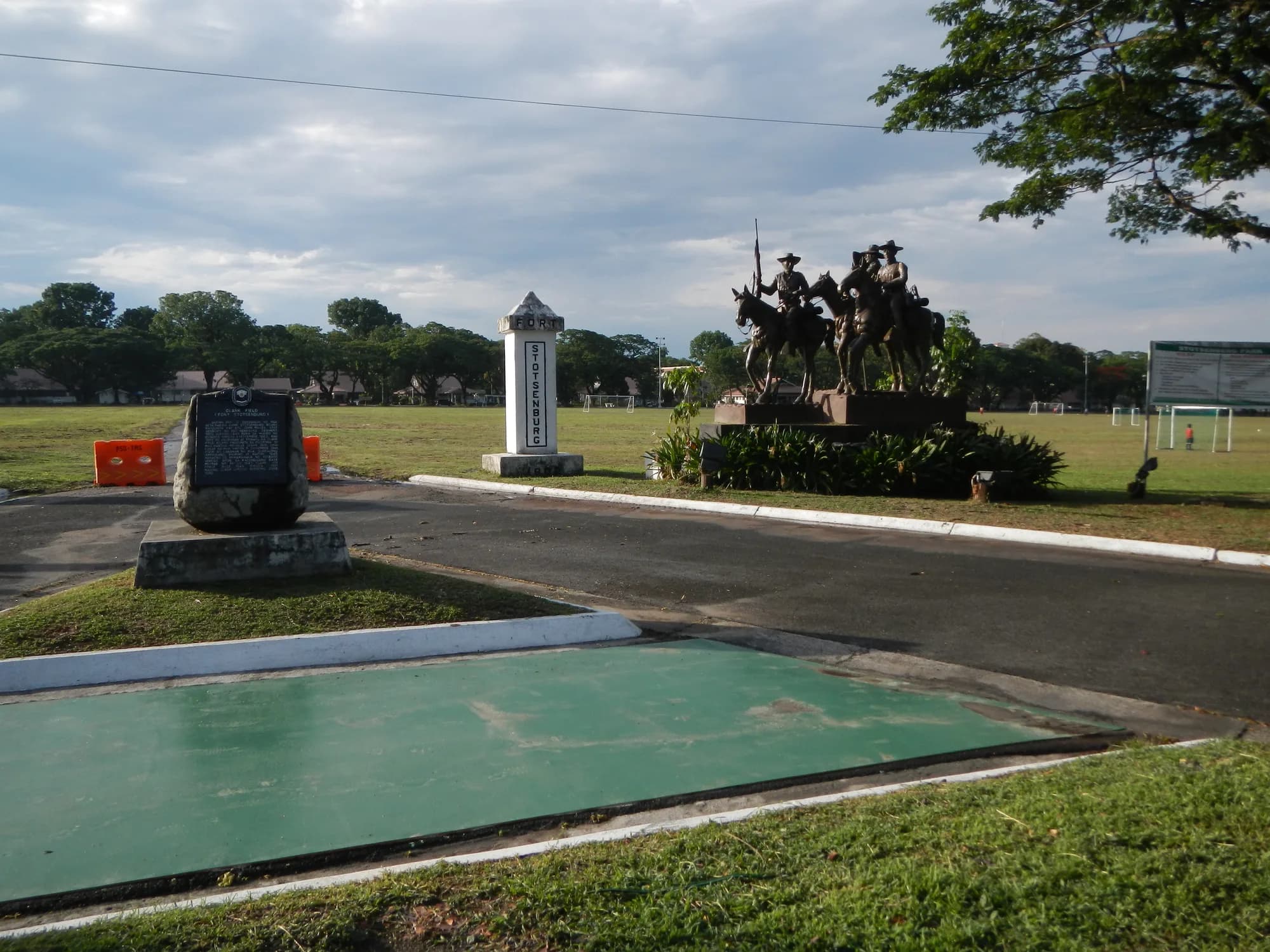
Before the air base, there was a US cavalry fort. All that is left of Fort Stotsenburg are its gateposts.
 © Sean Ronquillo (Ubediplomacy) on Wikimedia Commons · CC BY-SA
Culture
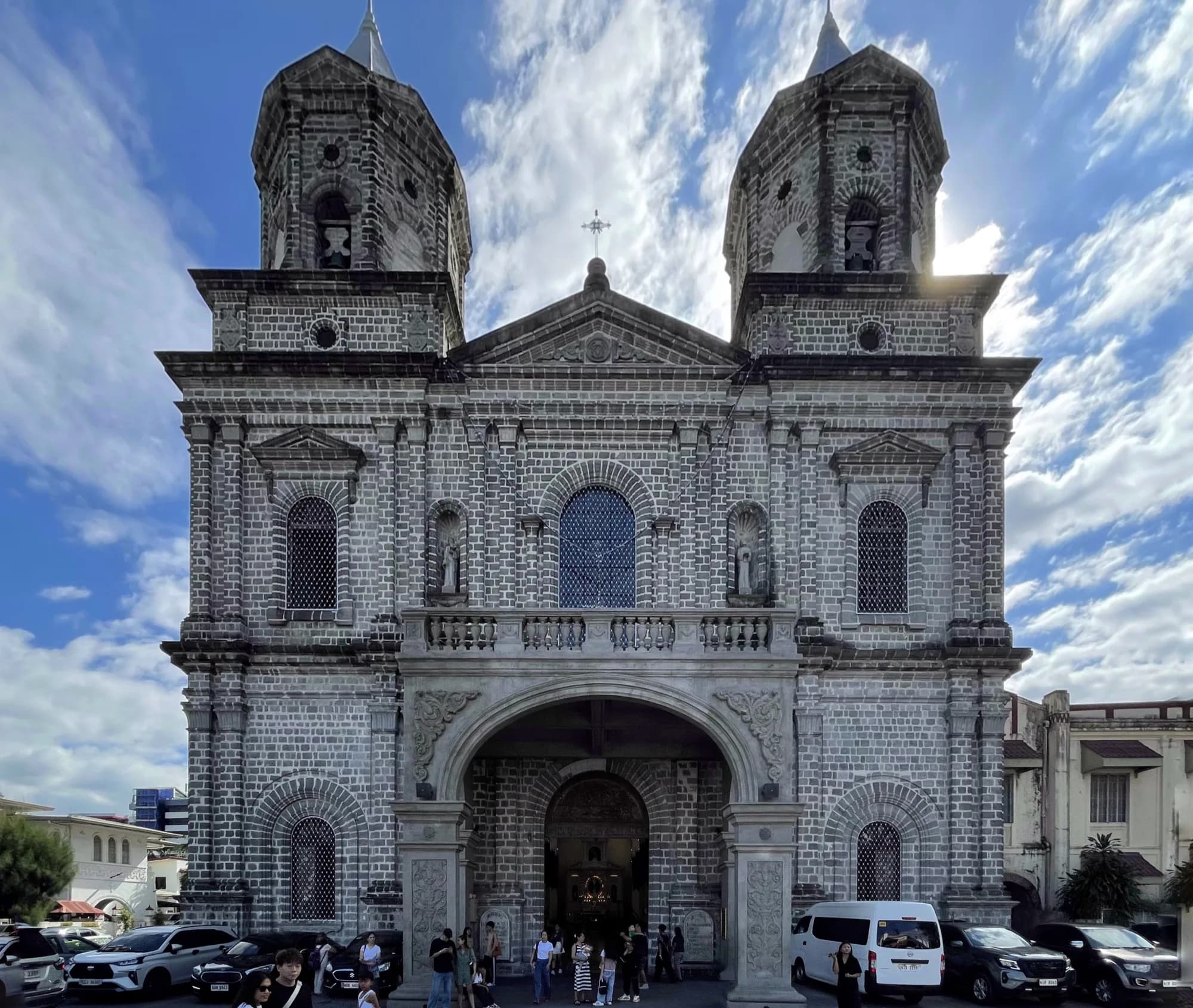
Built over two decades with forced labour and used as a US Army hospital: the story behind Angeles's Holy Rosary church.
Food
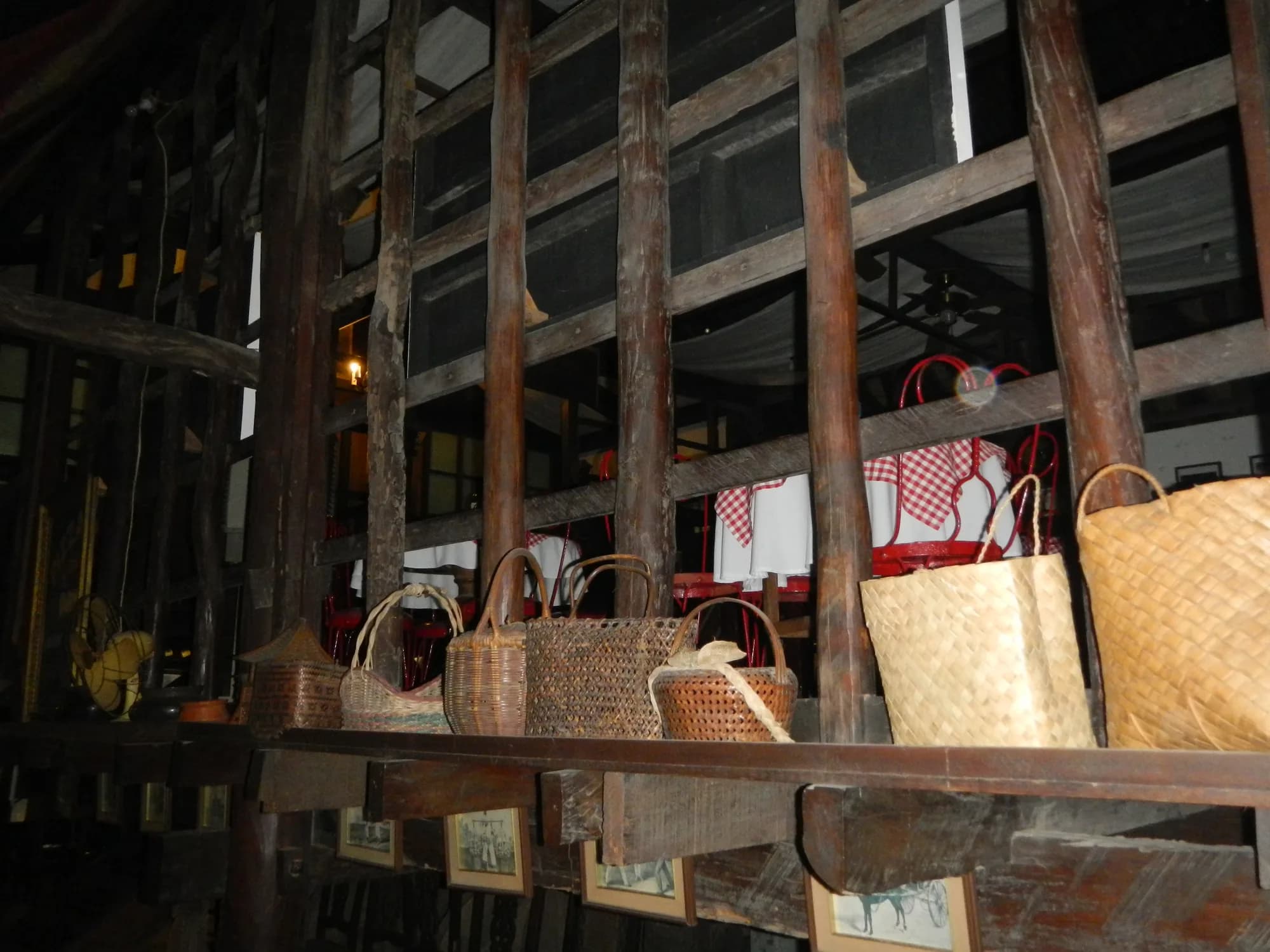
How a 19th-century granary in Angeles became home to a pizza billed as the national pizza.
 © Patrickroque01 on Wikimedia Commons · CC BY-SA
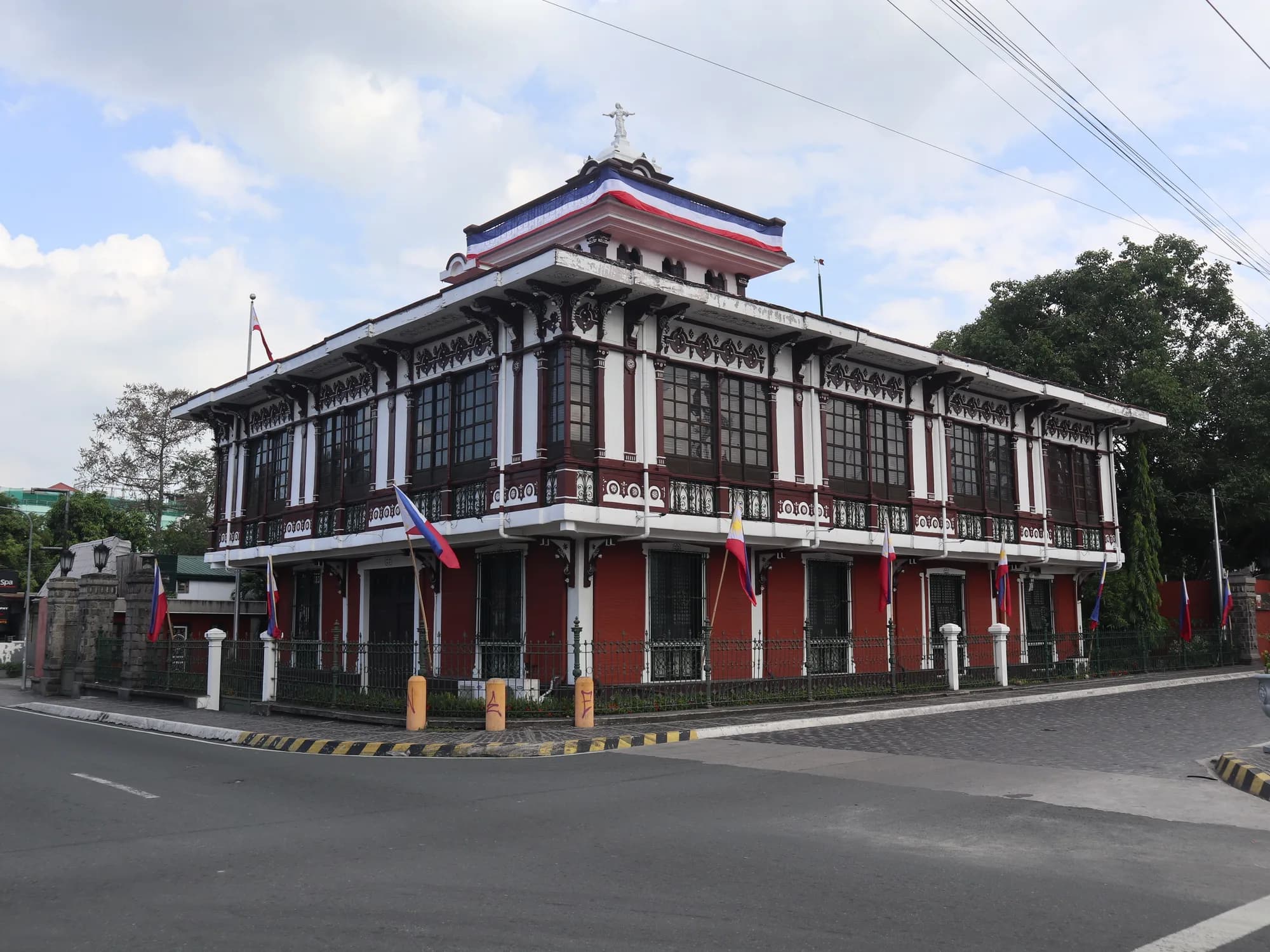
History
A founder's house of 1824, a granary of 1840 and an image of the Guardian Angel: the beginnings of Angeles.
 © Ralff Nestor Nacor on Wikimedia Commons · CC BY-SA
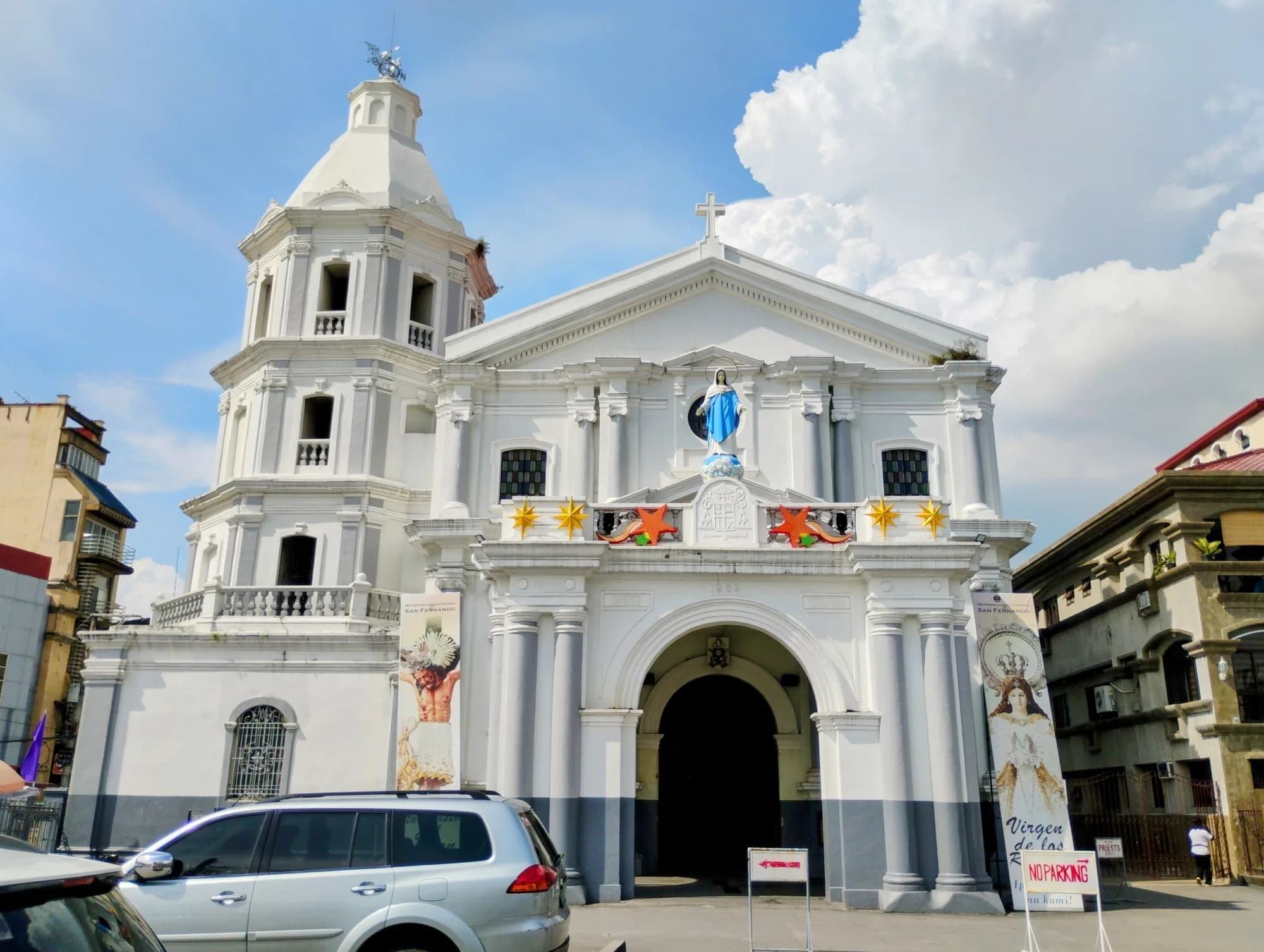
Culture
From a thatched chapel in 1754 to the neoclassical cathedral of today, San Fernando's church has been burned and rebuilt more than once.
 © LubGua987 on Wikimedia Commons · CC BY-SA
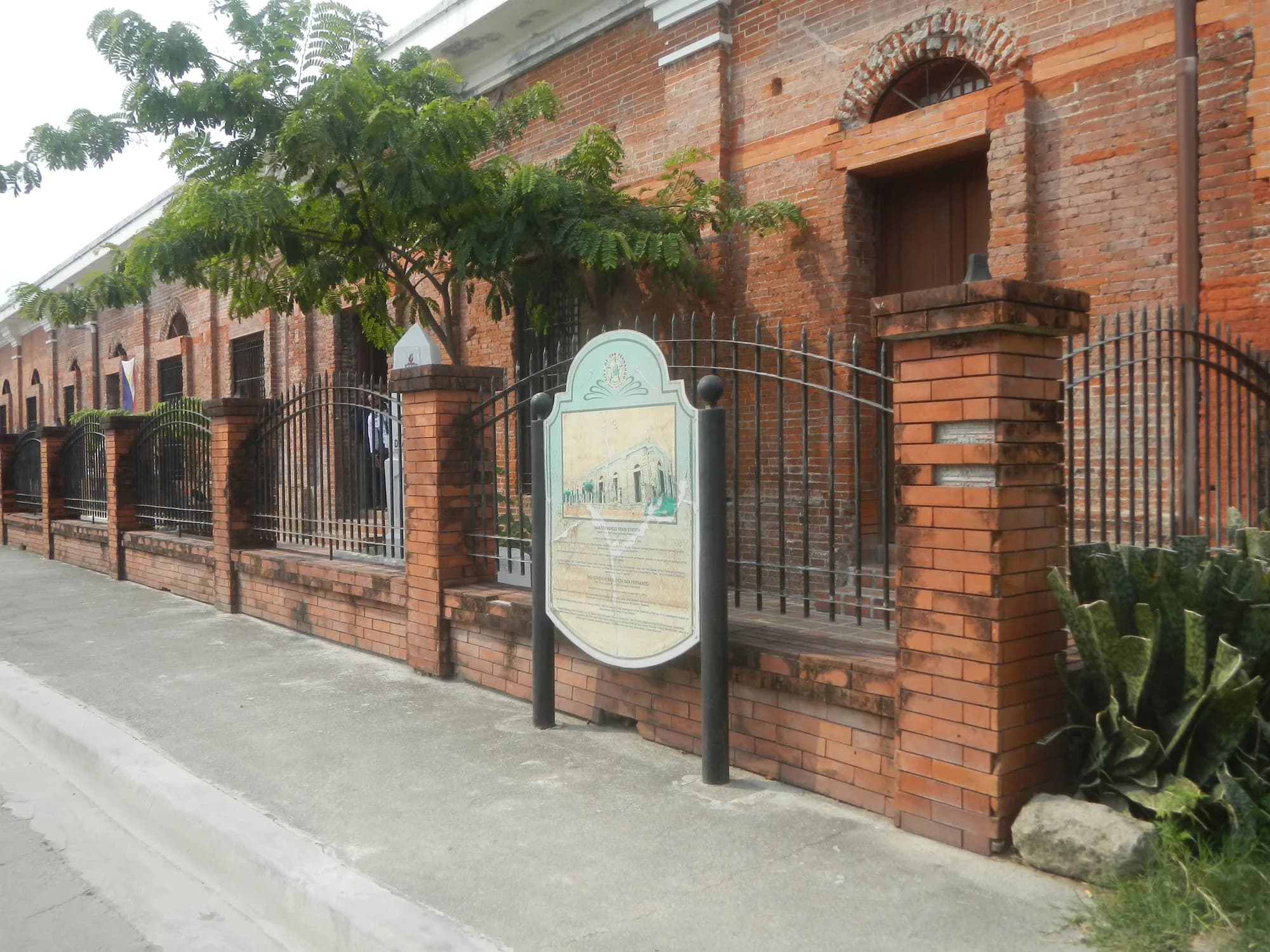
History
An 1892 railway station that welcomed Rizal and, fifty years later, received the prisoners of the Bataan Death March.
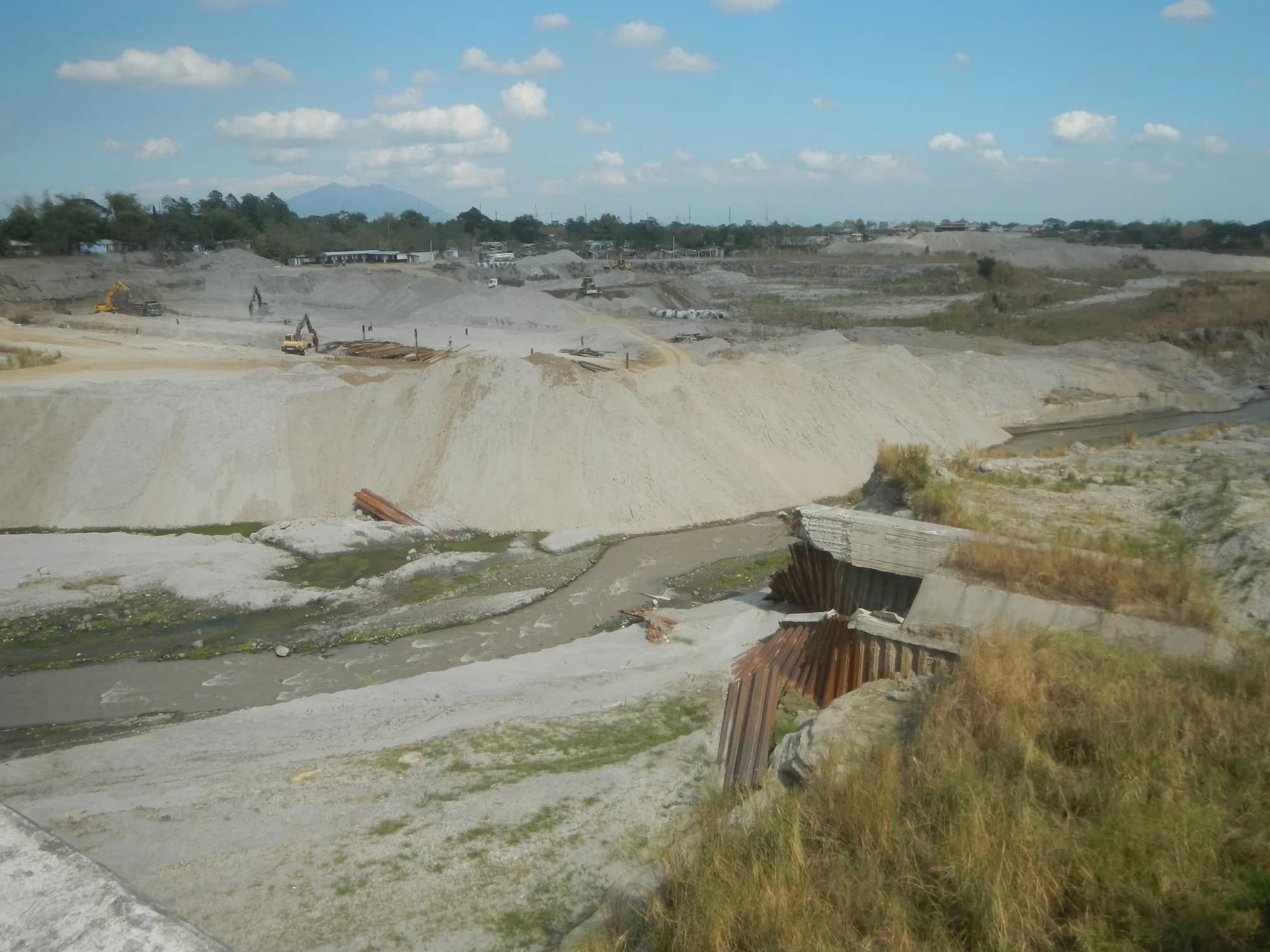
Community
How the 1991 eruption buried Porac's villages and river in lahar, and how the town rebuilt on two sides of the Pasig-Potrero.
 © Ramon FVelasquez on Wikimedia Commons · CC BY-SA
Culture
Candaba's 1575 parish was once a grammar school and, during the British occupation, a refuge for Manila's friar students.
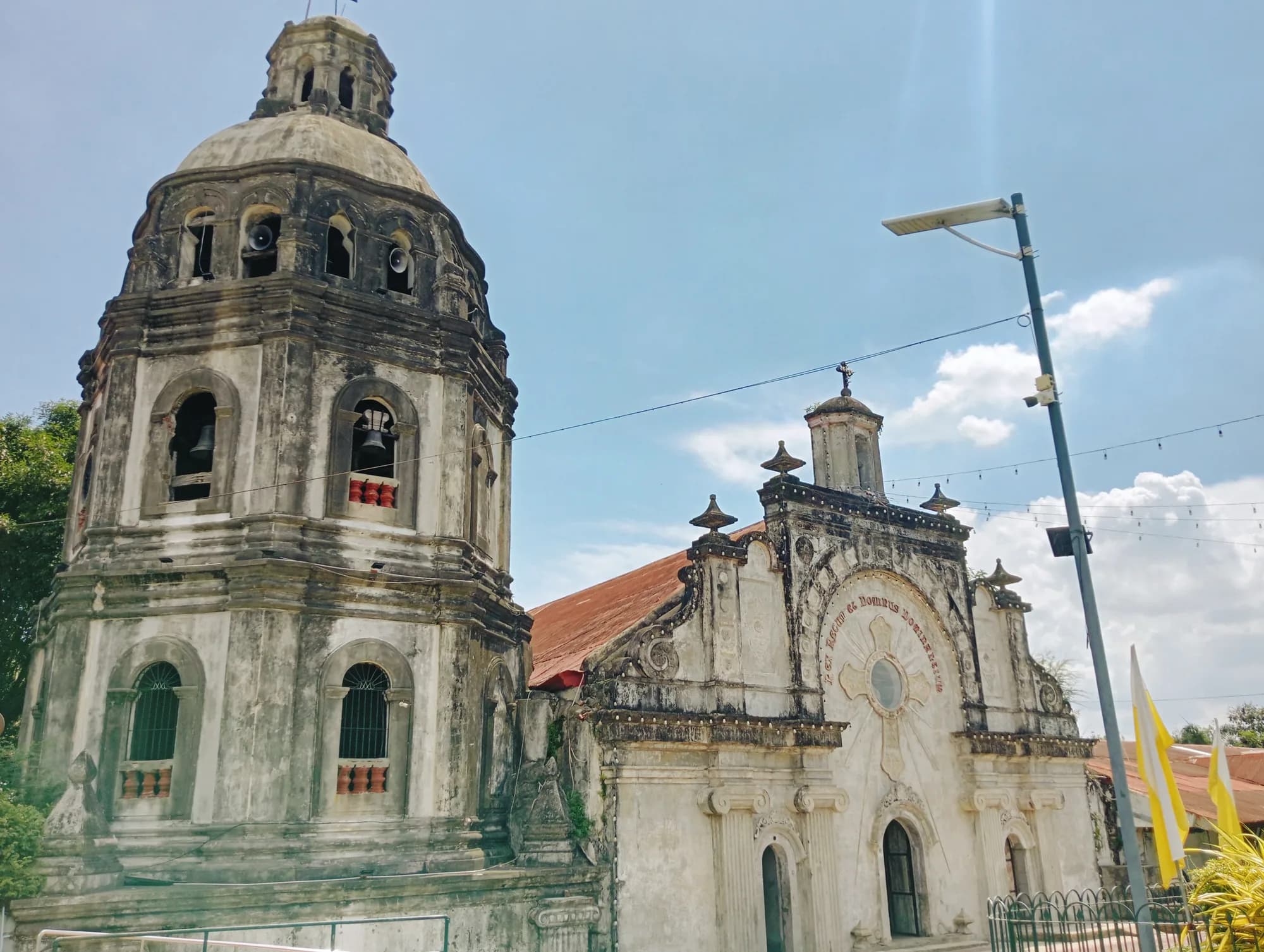 © Ralff Nestor Nacor on Wikimedia Commons · CC BY-SA
History
For two centuries Bacolor was the capital of Pampanga, and for two years it was the capital of the Spanish Philippines in exile.
 © JJ Carpio on Wikimedia Commons · CC BY-SA
Culture
Mexico claims one of the oldest chapels in Asia, and keeps a rare Spanish-era chapel in Sabanilla. Their stories.
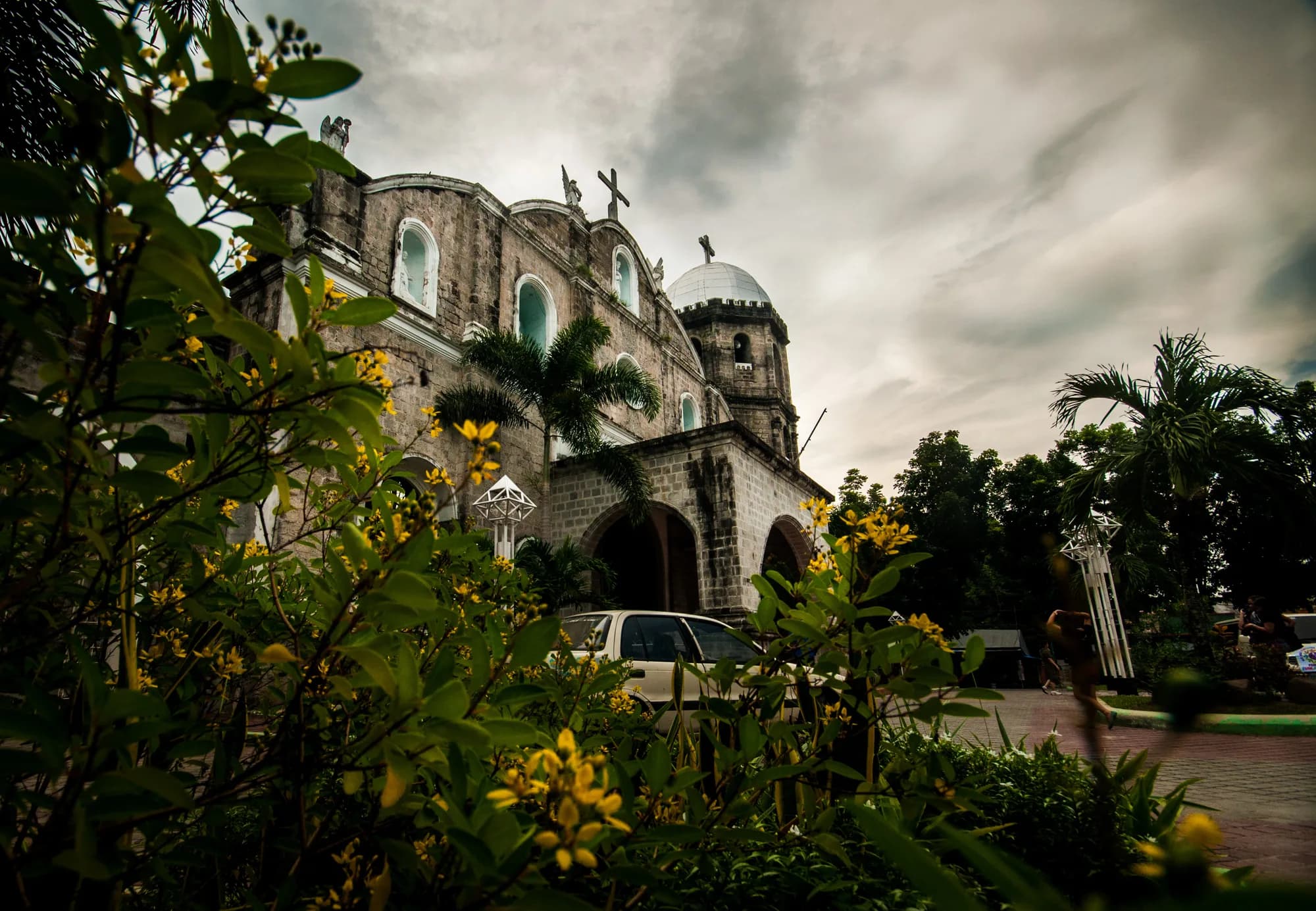 © Armanbarbuco on Wikimedia Commons · CC BY-SA
History
Magalang began somewhere else. How a river flood in 1863 made a town pick up and start over at the foot of Mount Arayat.
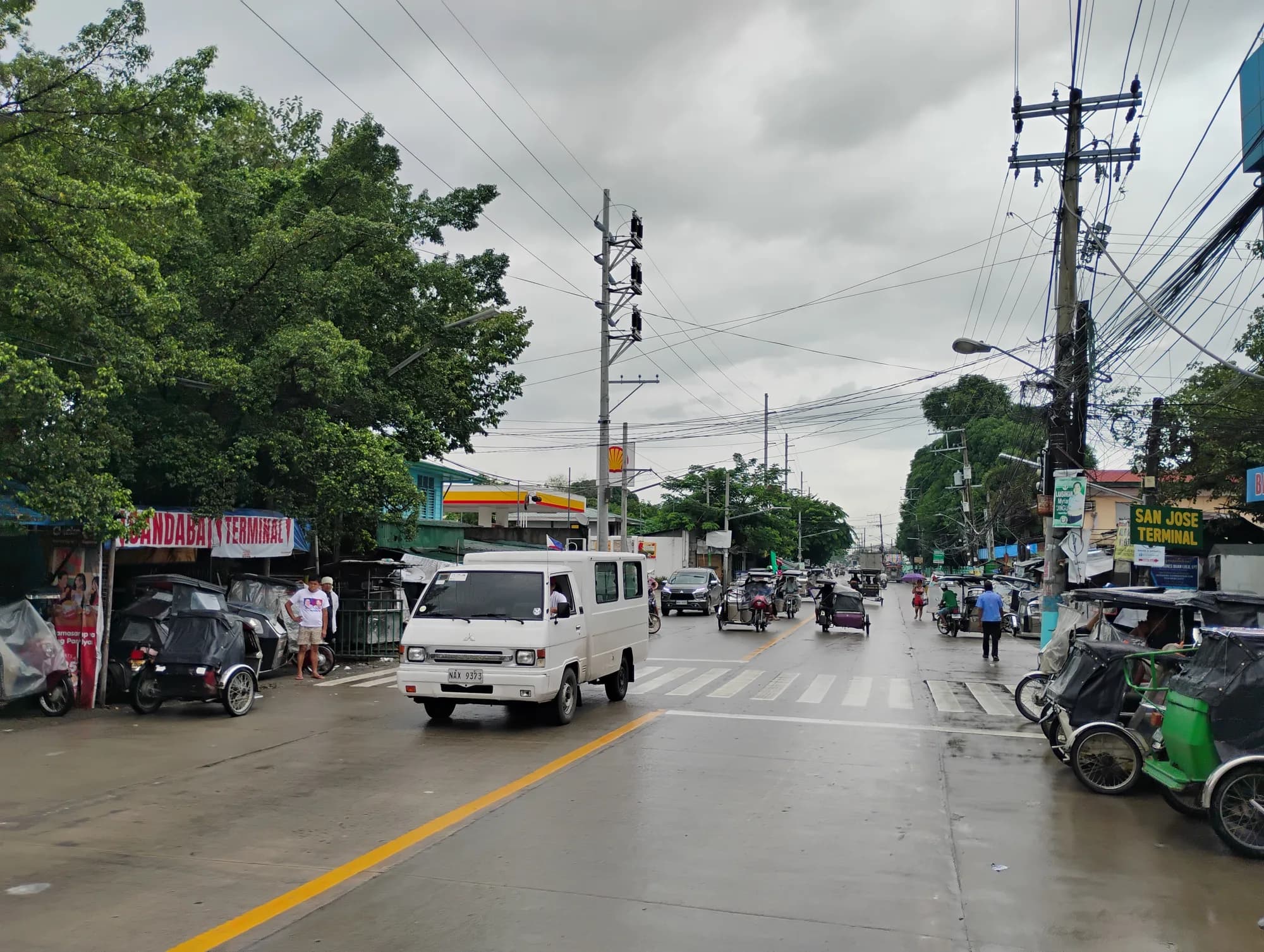 © Ralff Nestor Nacor on Wikimedia Commons · CC BY-SA
Culture
Santa Ana was once Pimpin, and its barangays still answer to names like Kanukil, Darabulbul and Balen Bayu.
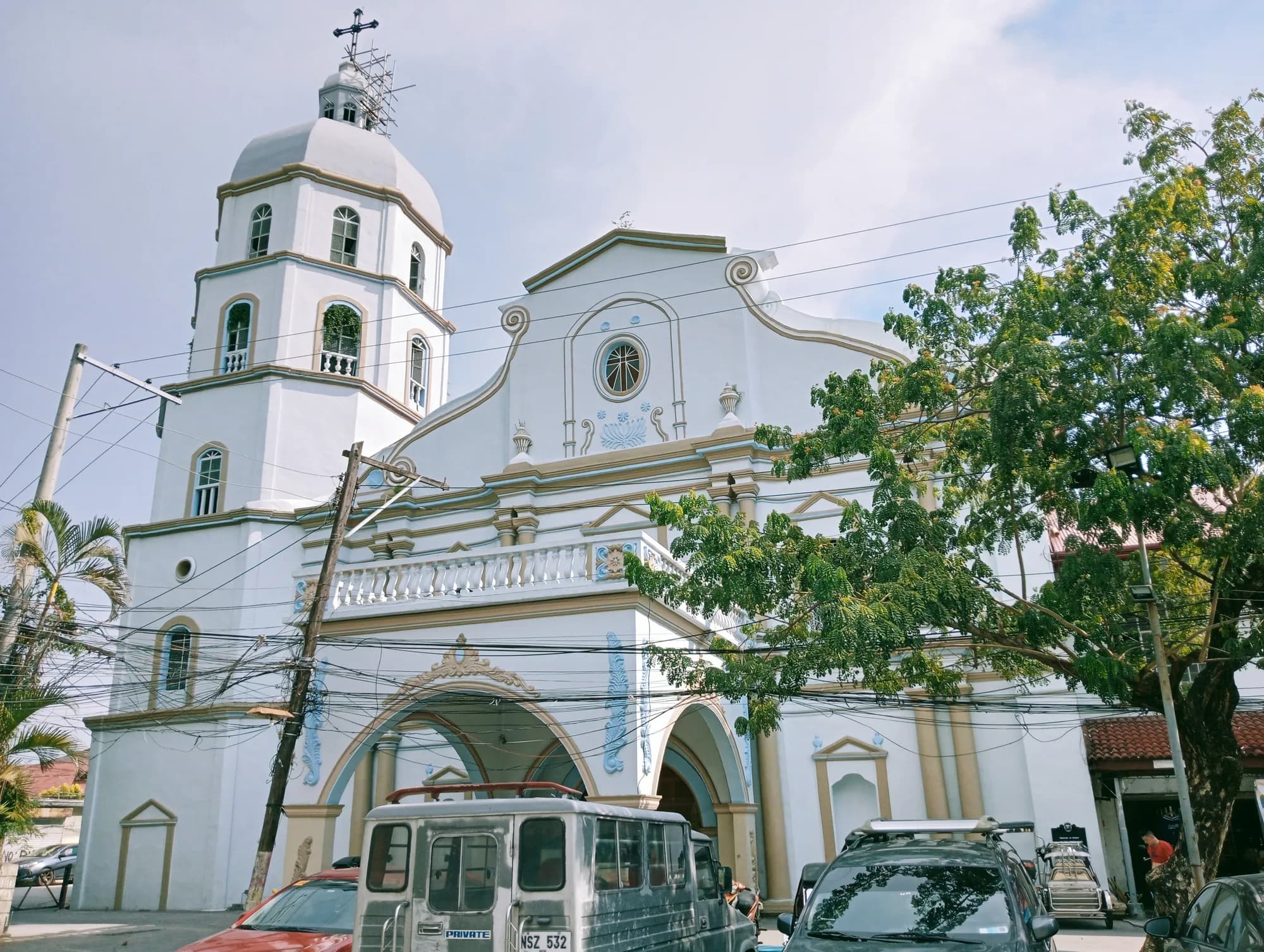 © Ralff Nestor Nacor on Wikimedia Commons · CC BY-SA
Community
Guagua was celebrating its patroness when news of Pearl Harbor arrived. How the town lived through the war that followed.
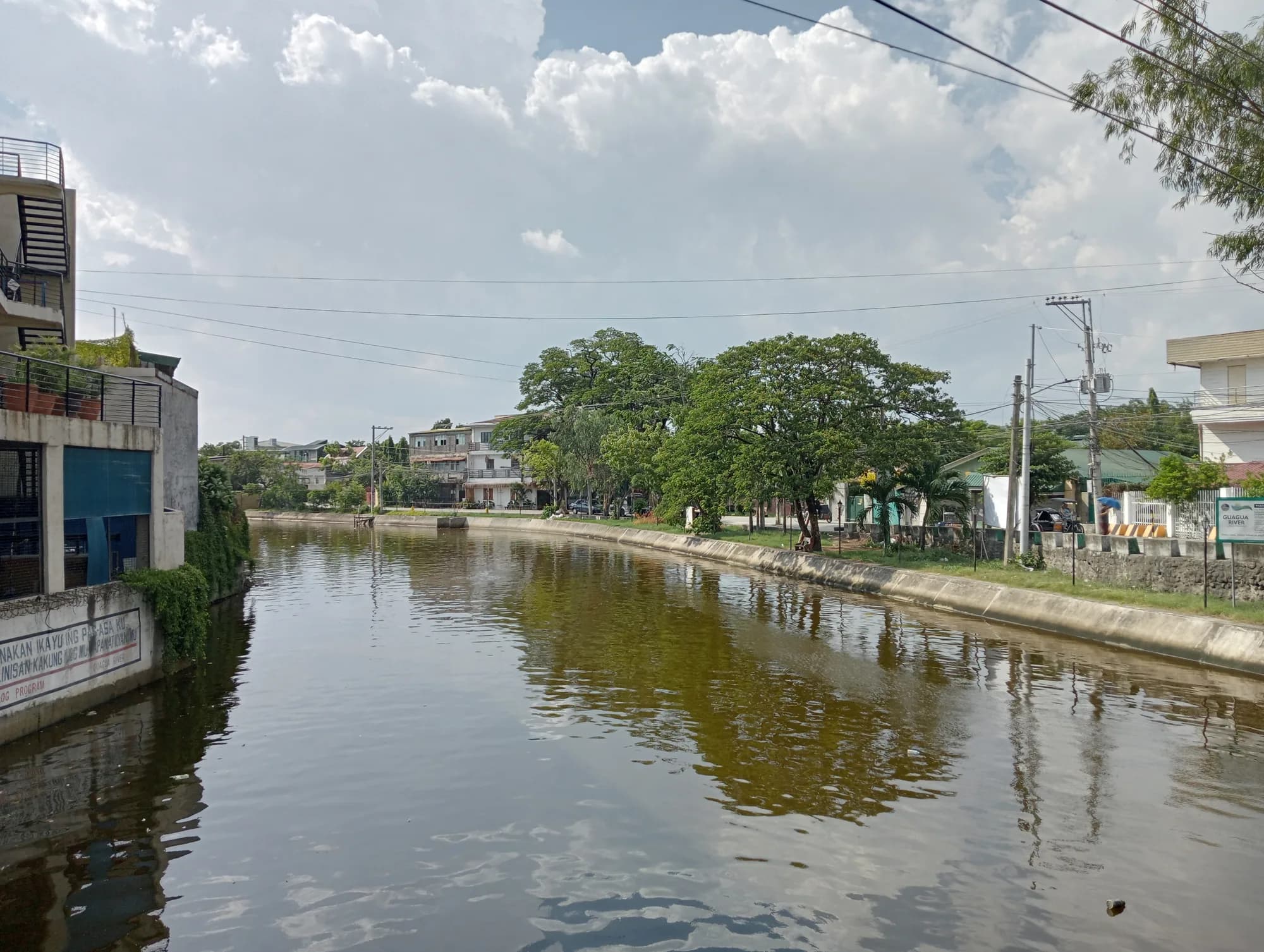 © Ralff Nestor Nacor on Wikimedia Commons · CC BY-SA
History
How a settlement at the mouth of a river became the busy port of Pampanga, with steamboats from Manila and a railway terminus.
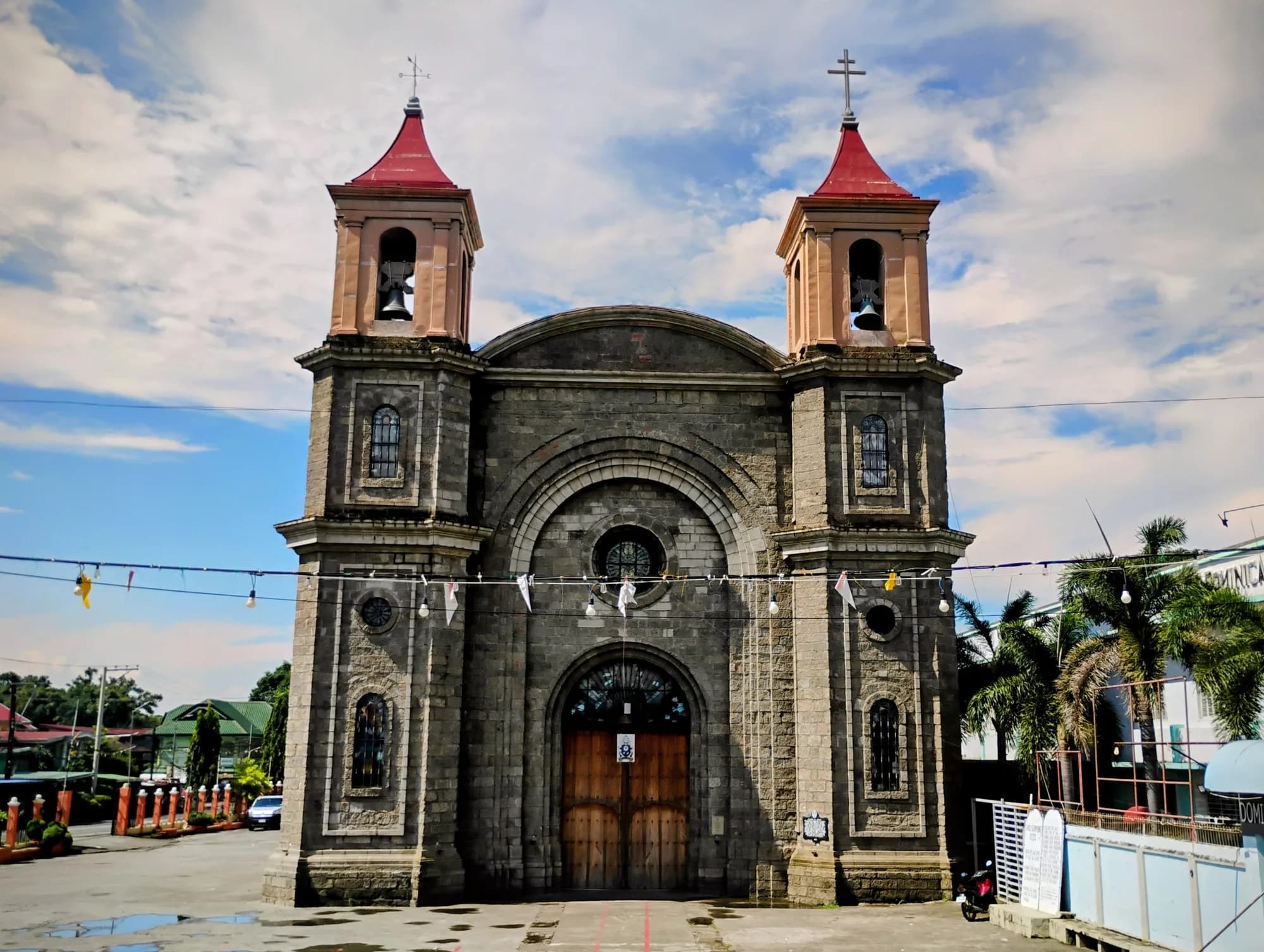 © Ralff Nestor Nacor on Wikimedia Commons · CC BY-SA
Culture
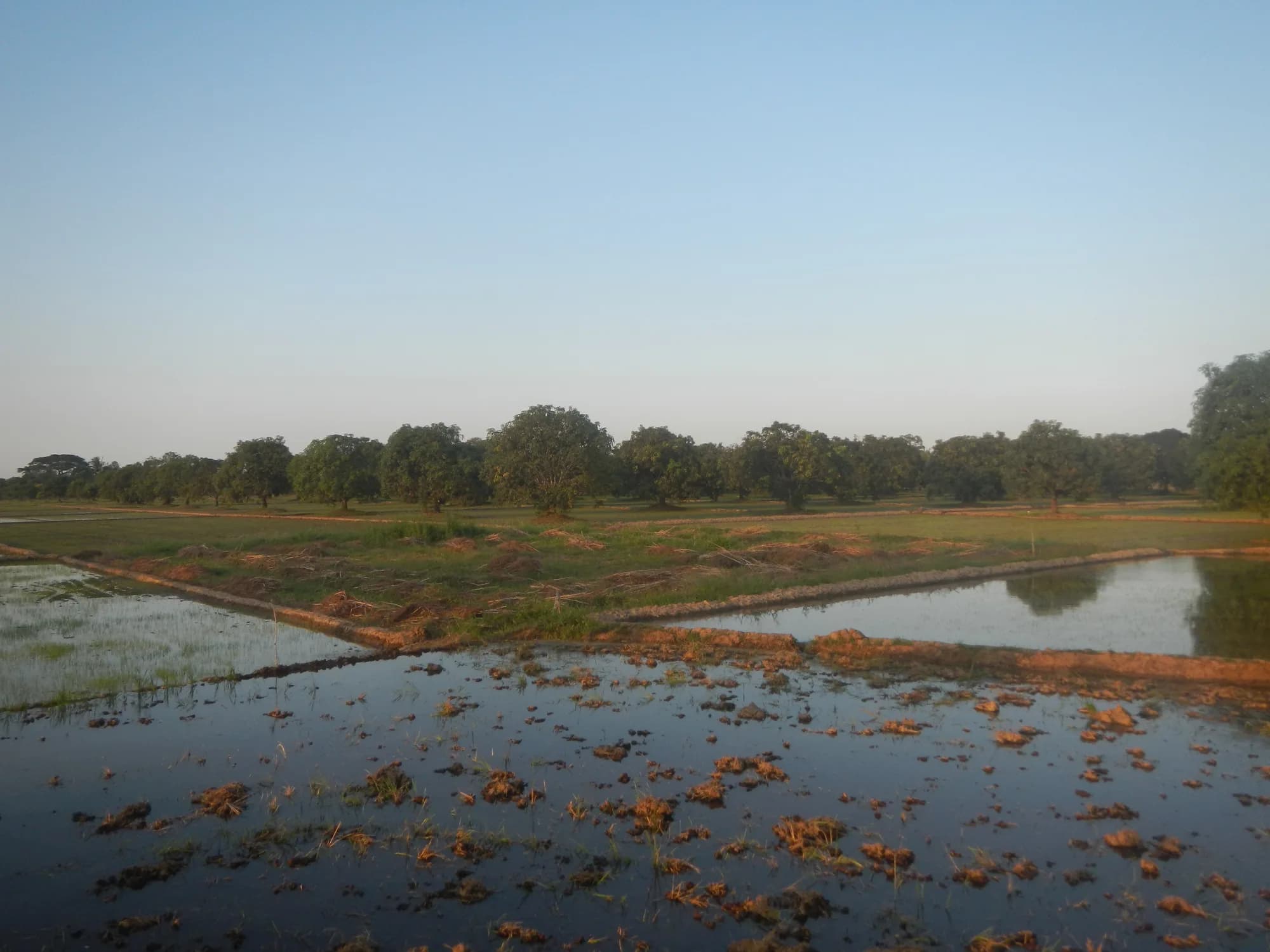
In 2017 Apalit's parish received a fragment of Saint Peter's bones, adding to a church already rich in history.
History
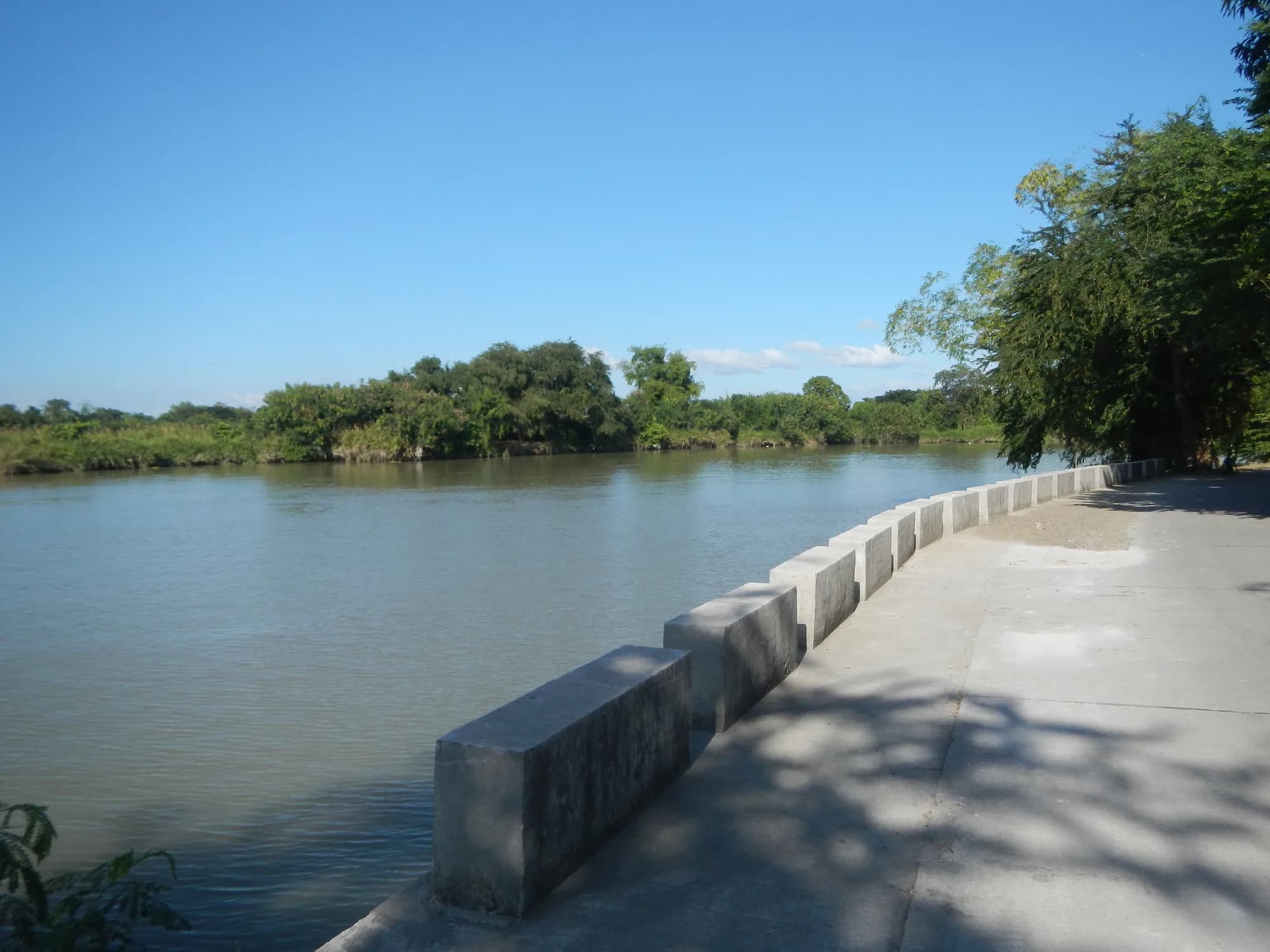
How the farming village of Barrio del Pilar became San Simon in 1771, and the double meaning behind its name.
Community
A new book by a Macabebe-born historian reads the town's 697 place names alongside the science of its slow submergence.
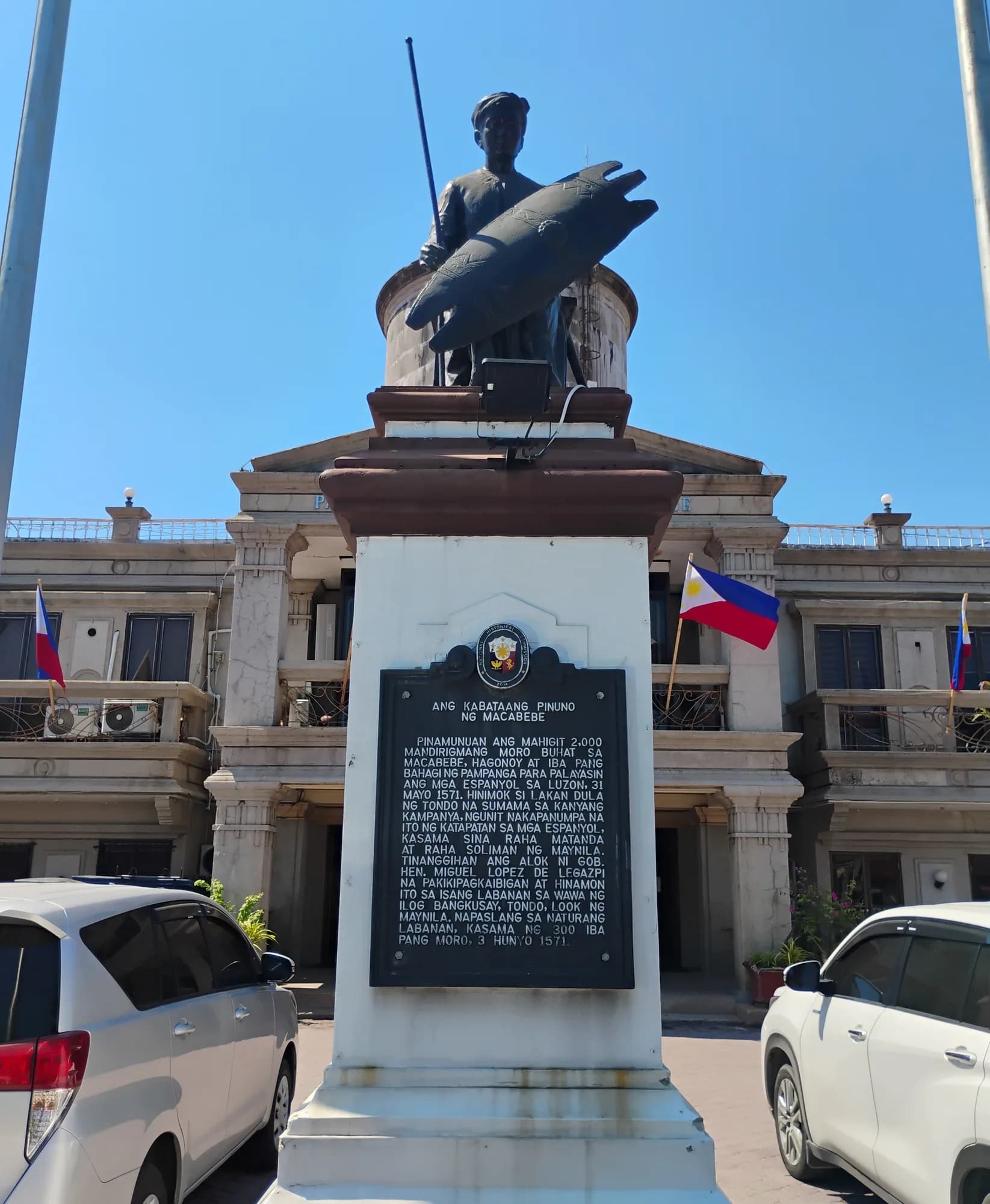 © Ralff Nestor Nacor on Wikimedia Commons · CC BY-SA
History
The young Macabebe chieftain who led the first Luzon resistance against Spain in 1571, and why his town now remembers him on June 3.
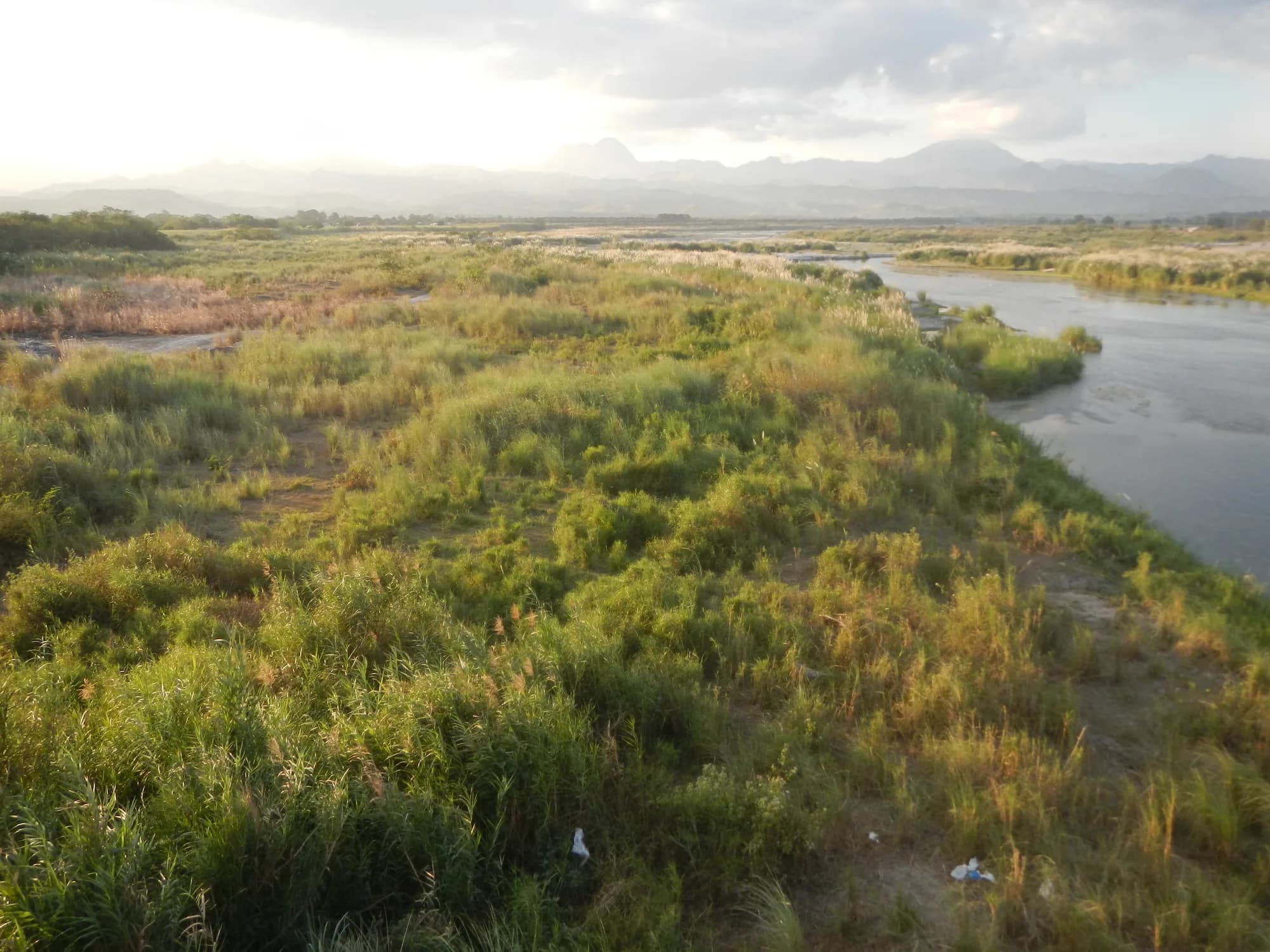
History
How the Gumain River, buried by Pinatubo's lahar in 1991, became the Palakol Summer Place and an award nominee.
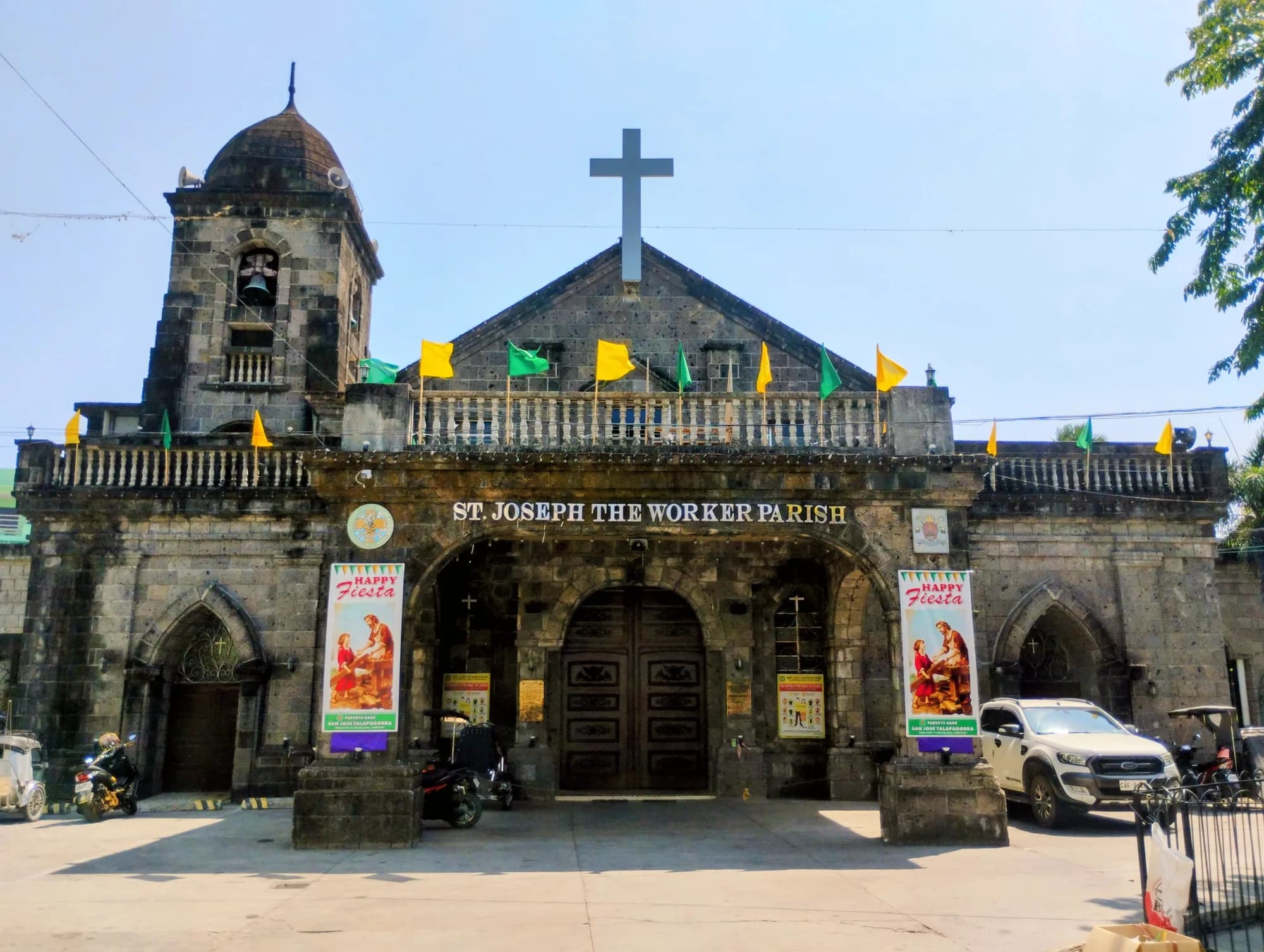 © Ralff Nestor Nacor on Wikimedia Commons · CC BY-SA
Culture
From the Augustinians' Hacienda de San Jose de Calampaui to a town named, most likely, for a white-flowered shrub.
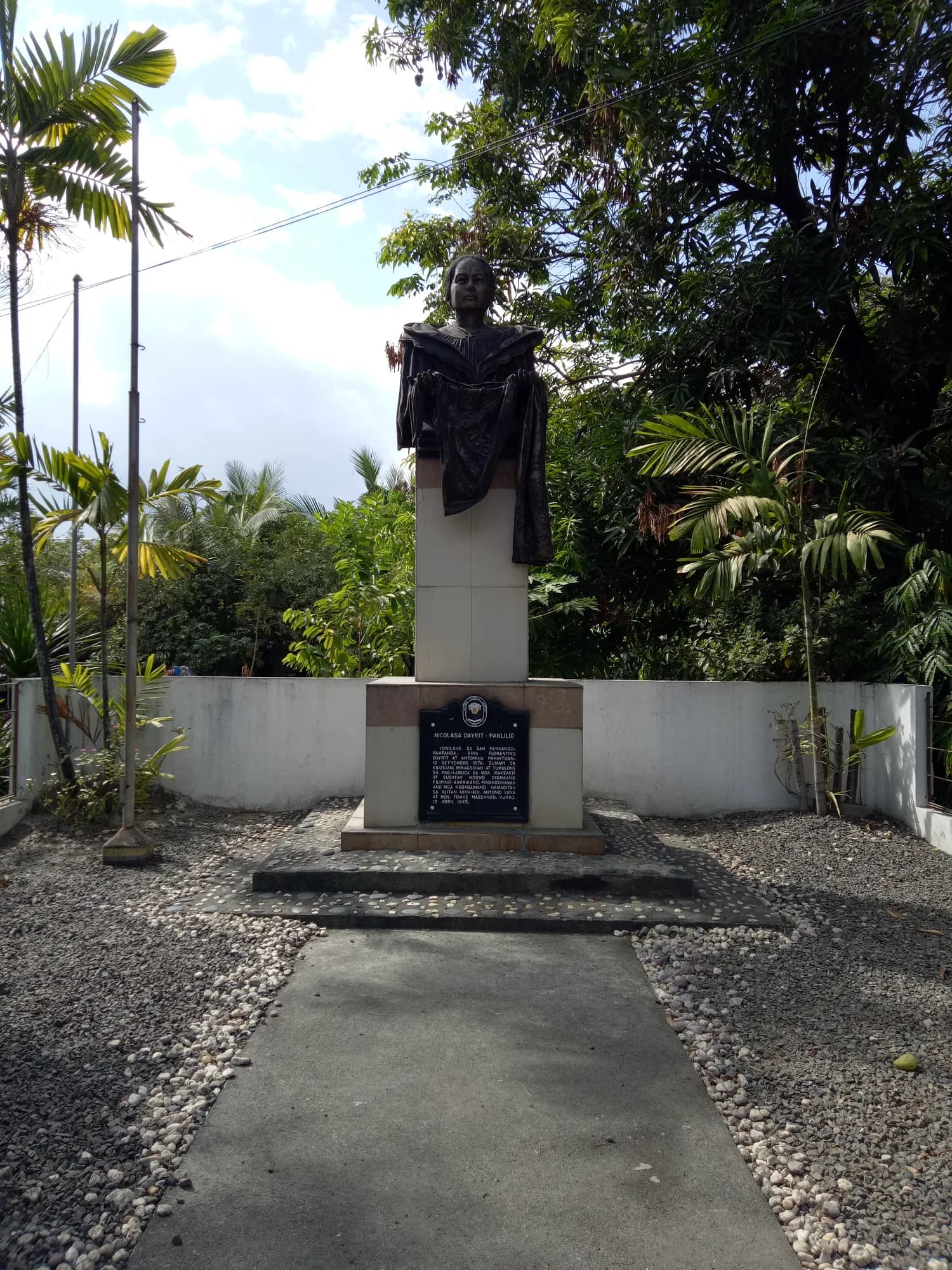 © Roel Balingit on Wikimedia Commons · CC BY-SA
History
A Spanish-era house in San Fernando where Nicolasa Panlilio cared for the wounded of the Philippine-American War.
 © Jammaekas on Wikimedia Commons · CC BY-SA
History
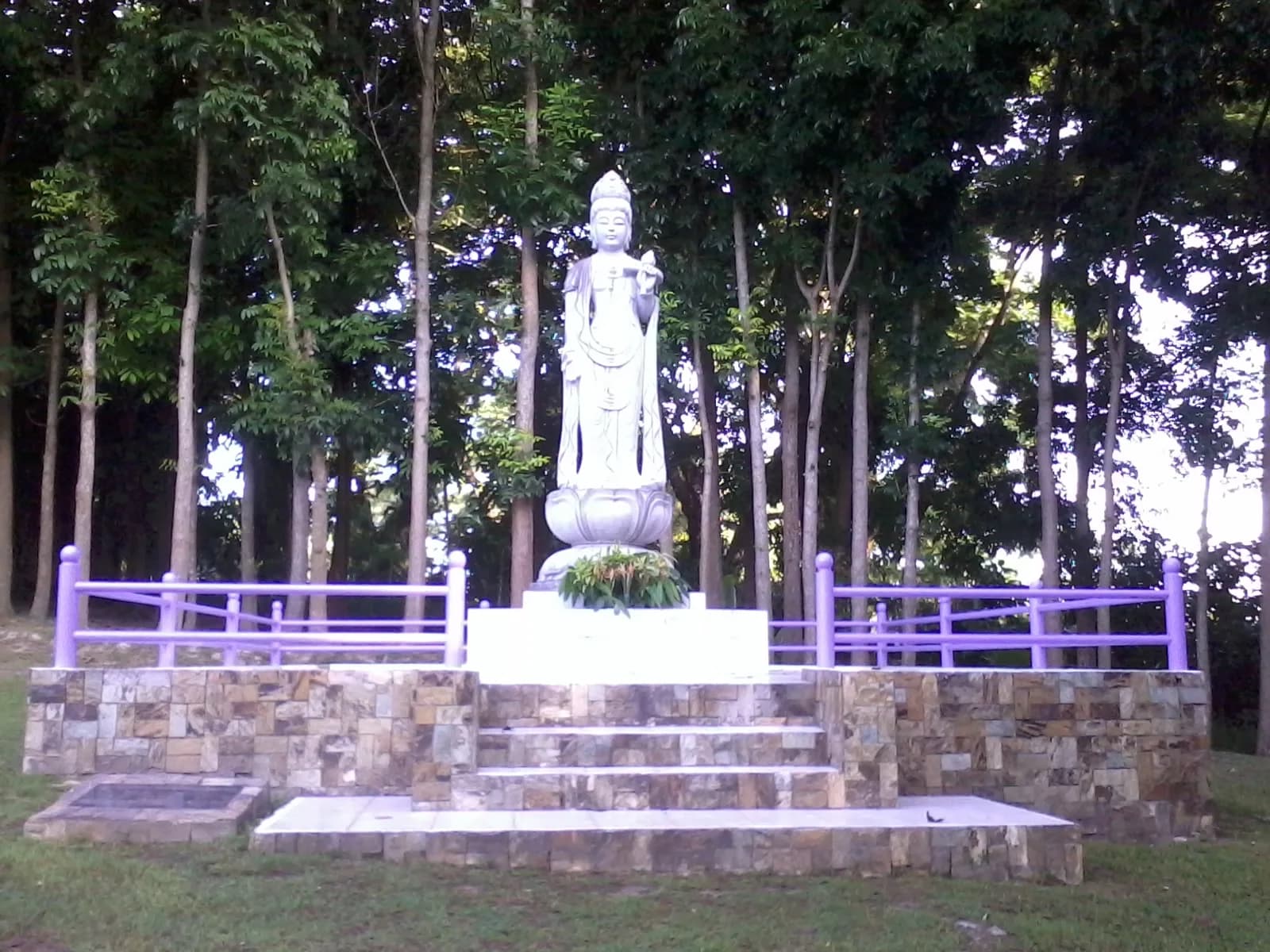
The highest point in Clark served American and Japanese soldiers before becoming a shrine to peace in 1998.