 © CNEcija12345 on Wikimedia Commons · CC BY-SA
History
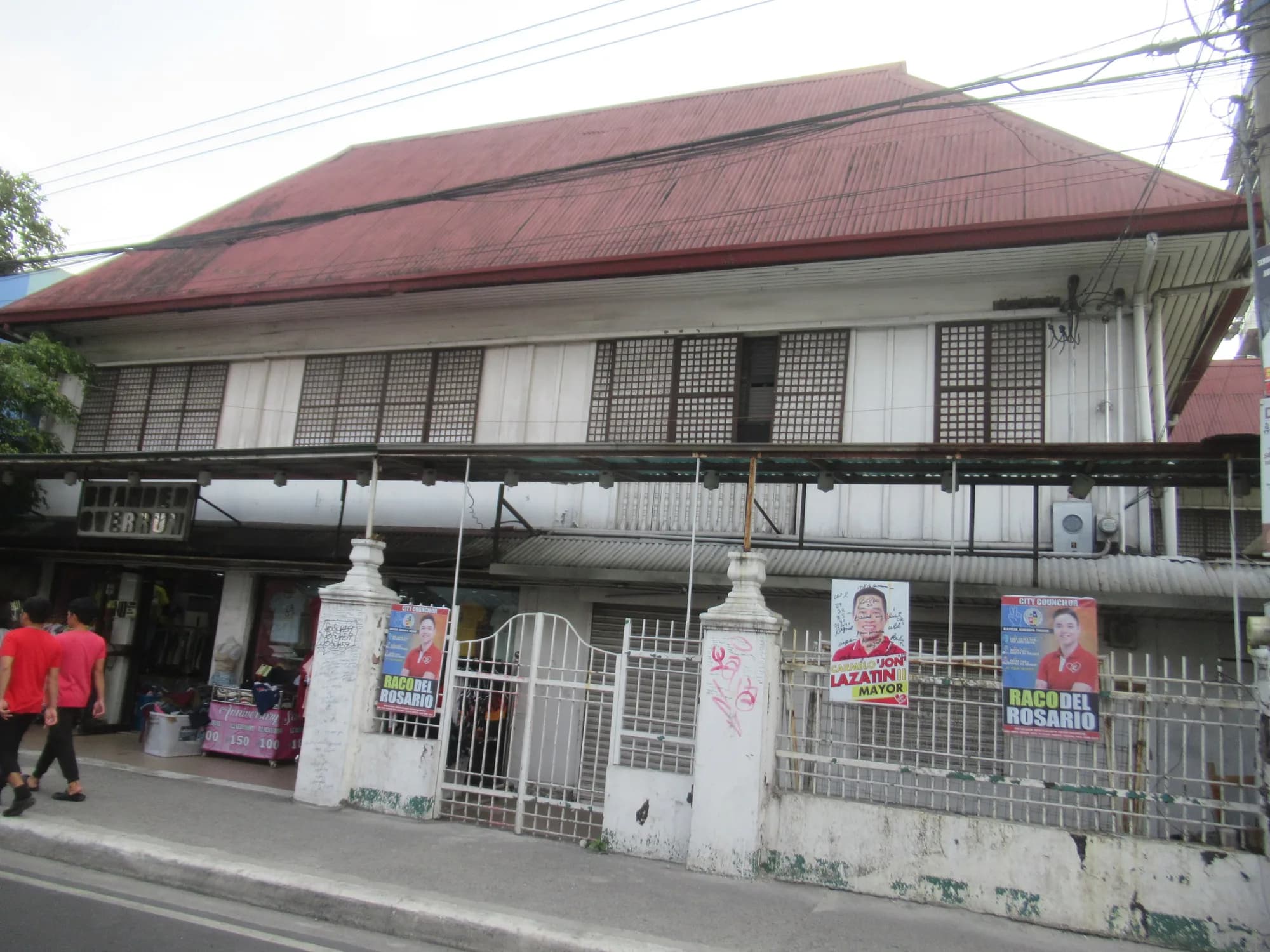
Angeles before the malls: a town remembered
Fifty-centavo jambalaya, PX goods by the railroad and movie tickets at 25 centavos: a columnist's memories of 1960s Angeles.
Angeles
Stories
© CNEcija12345 on Wikimedia Commons · CC BY-SAHistory
Fifty-centavo jambalaya, PX goods by the railroad and movie tickets at 25 centavos: a columnist's memories of 1960s Angeles.
 © Valenzuela400 on Wikimedia Commons · CC BY-SA
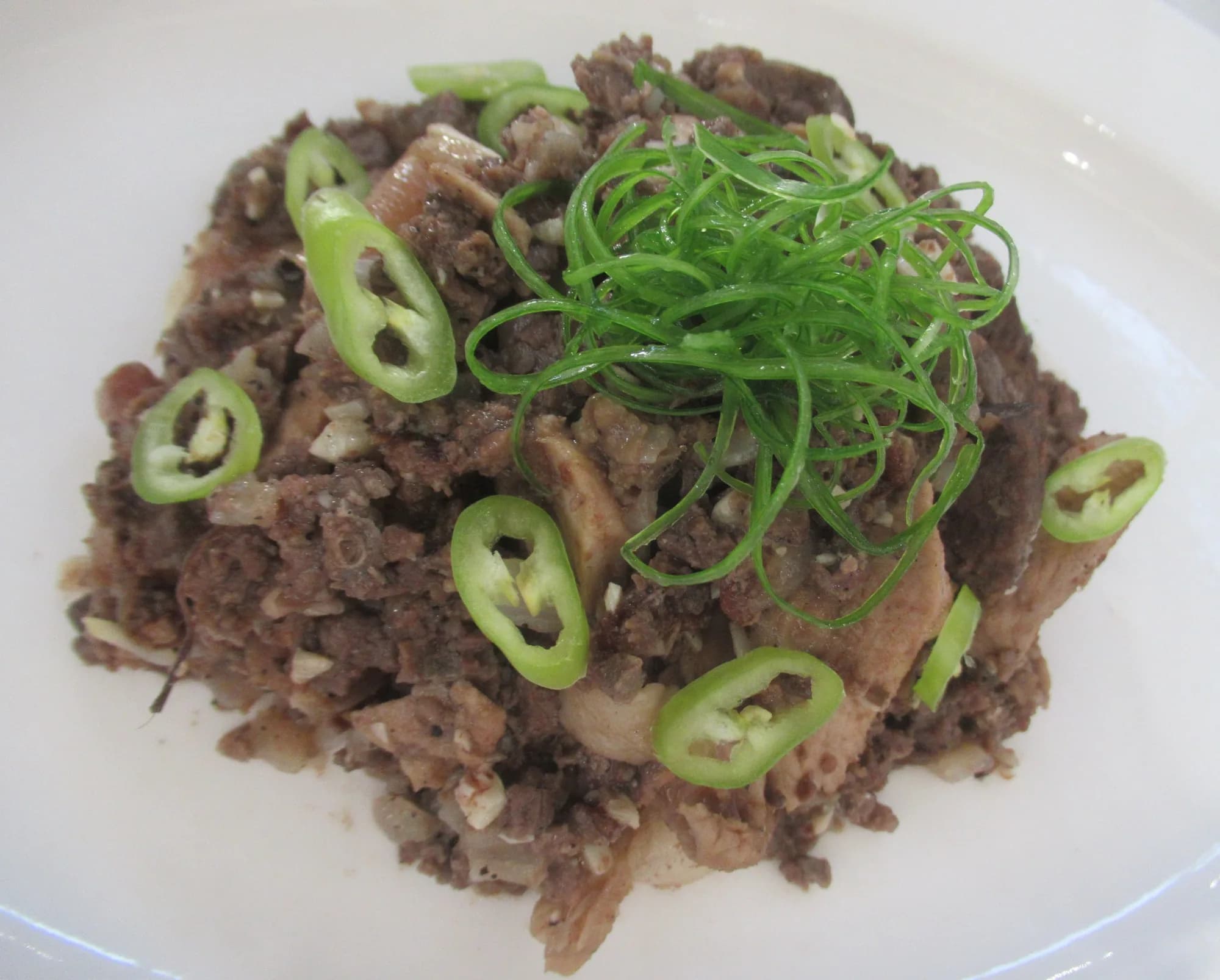
Food
From Spanish friars to a republic's first banquet, how Kapampangan cooking became its own tradition.
 © Patrickroque01 on Wikimedia Commons · CC BY-SA
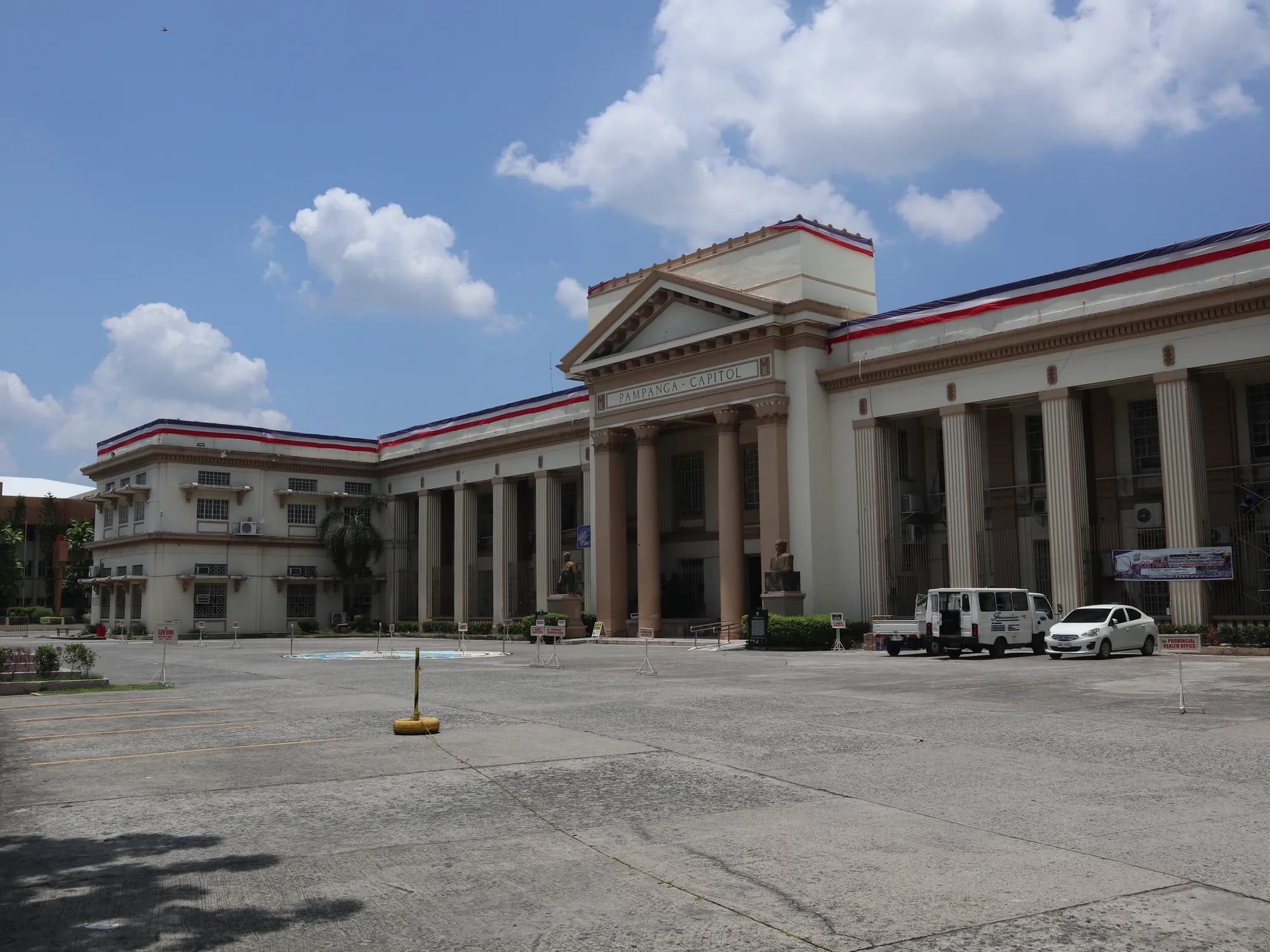
Culture
Why Pampanga celebrates every December 11, and how a day for the province became a showcase of its towns' festivals.
 © Judgefloro on Wikimedia Commons · CC BY-SA
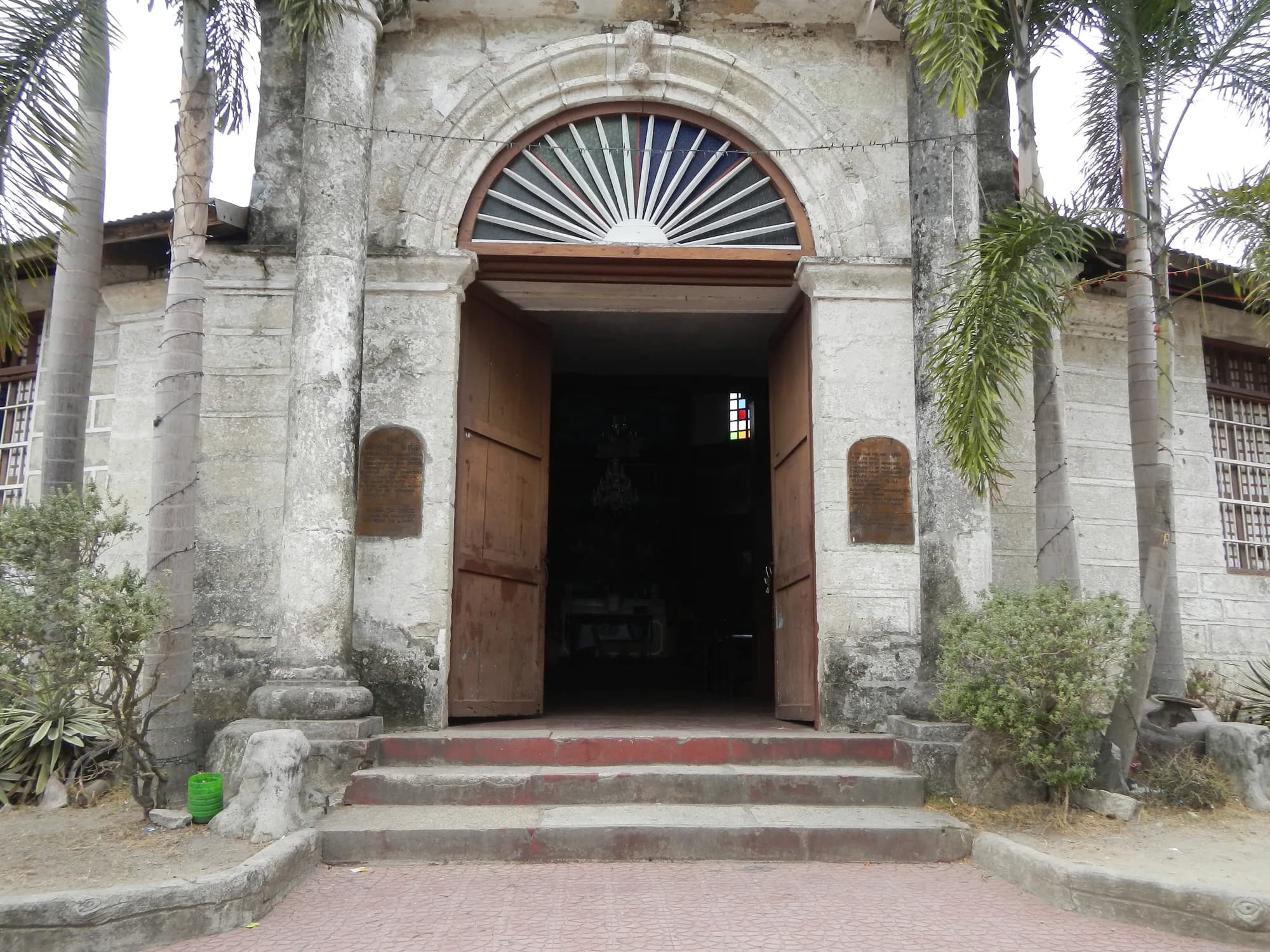
Community
Porac's 1861 circular chapel survived Pinatubo and an earthquake, then a debate over who should repair it and how.
Culture
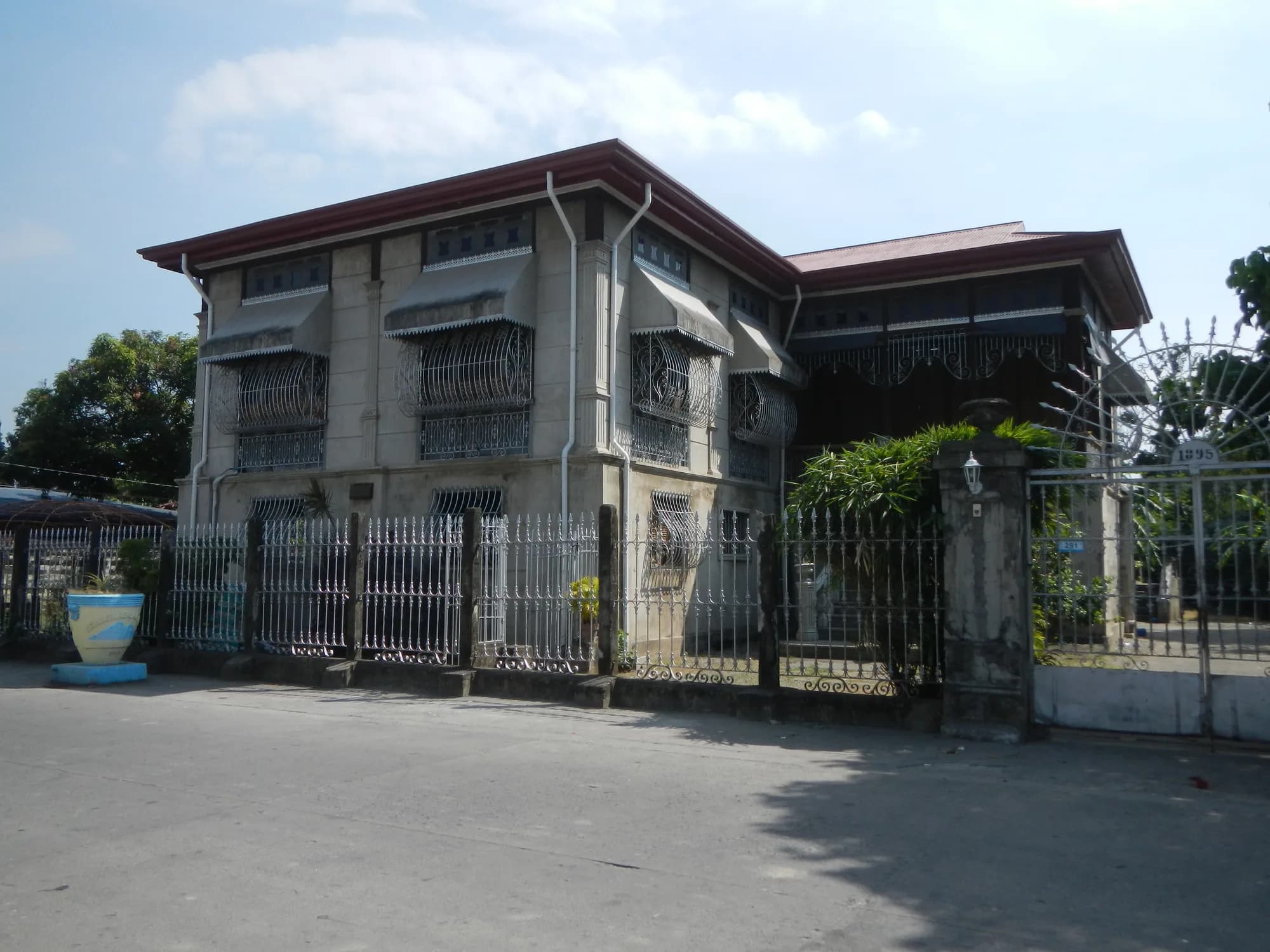
Behind the 1753 church, a short street of colonial houses and a chapel tells Arayat's story as an old Pampanga town.
History
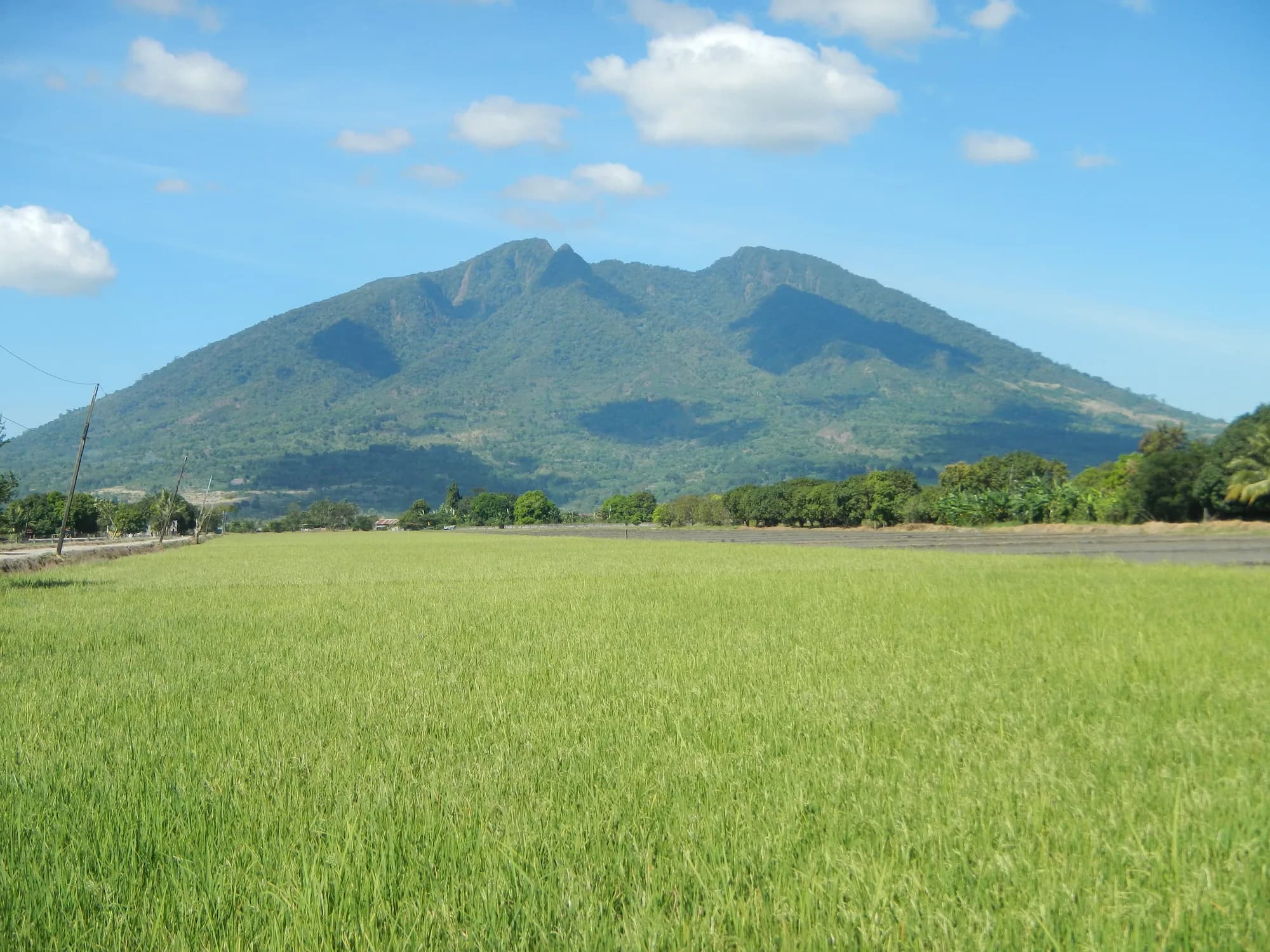
Sacred to the old Kapampangans, a getaway for President Quezon and now a protected landscape: the many lives of Mount Arayat.
 © CNEcija12345 on Wikimedia Commons · CC BY-SA
History
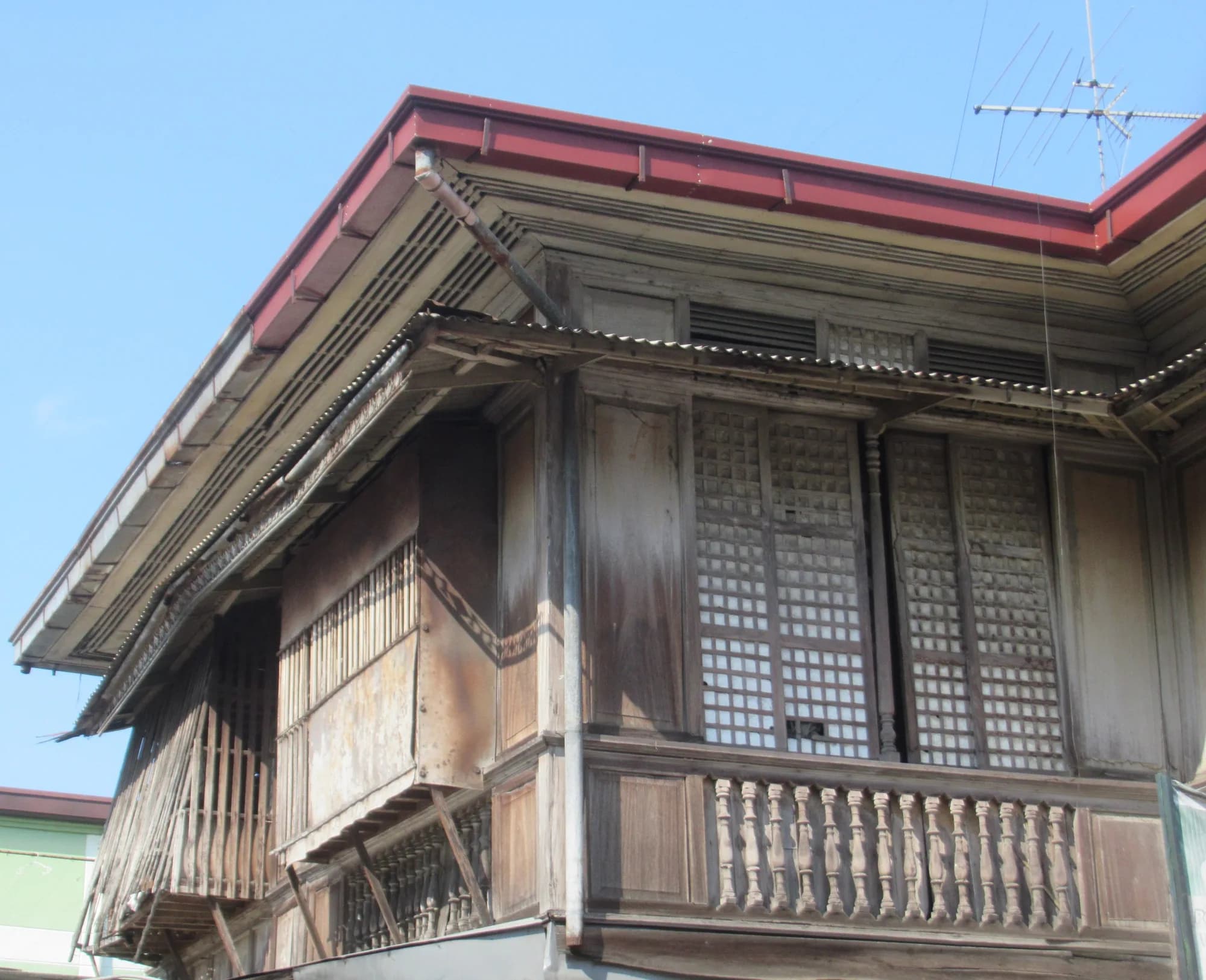
The Mexico-born general who led Kapampangan revolutionaries, refused to swear loyalty to the US and died in exile on Guam.
 © FBenjr123 on Wikimedia Commons · CC BY-SA
History
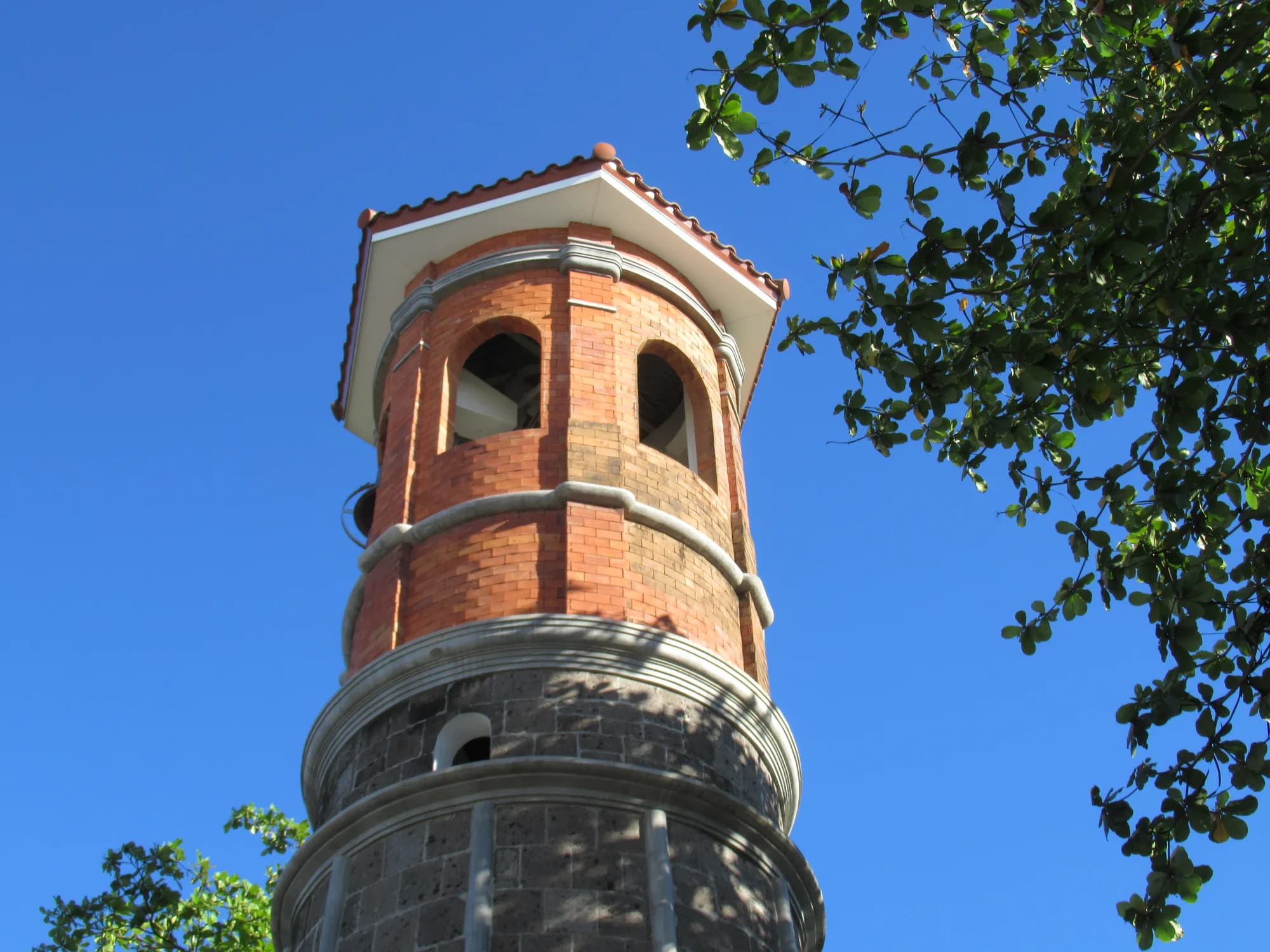
A town said to be named by Mexican soldiers became Pampanga's first capital, then lost it after the Maniago revolt.
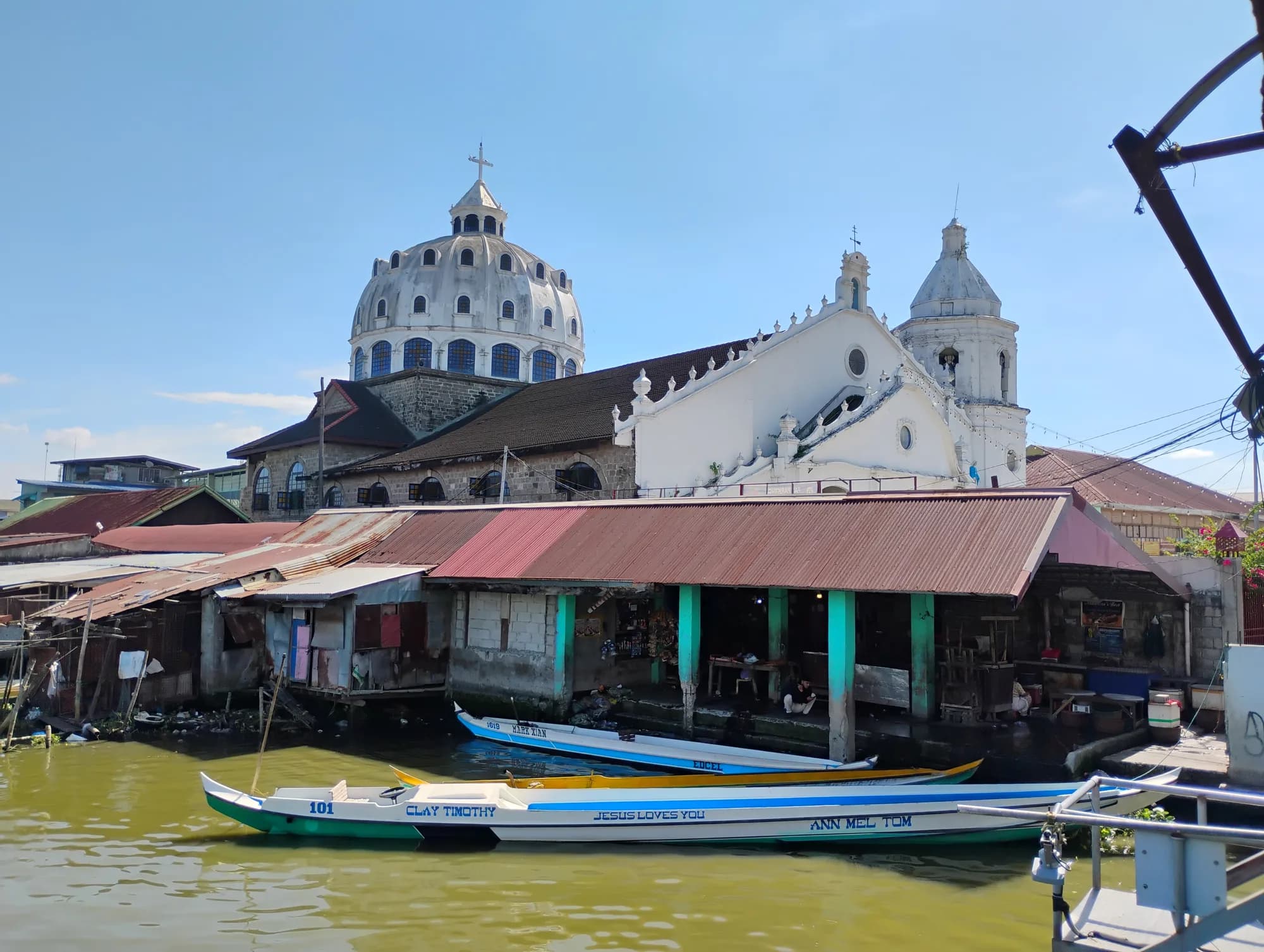 © Ralff Nestor Nacor on Wikimedia Commons · CC BY-SA
Culture
How a Spanish spelling turned an old Kapampangan meeting place into a joke, and why the town changed it back.
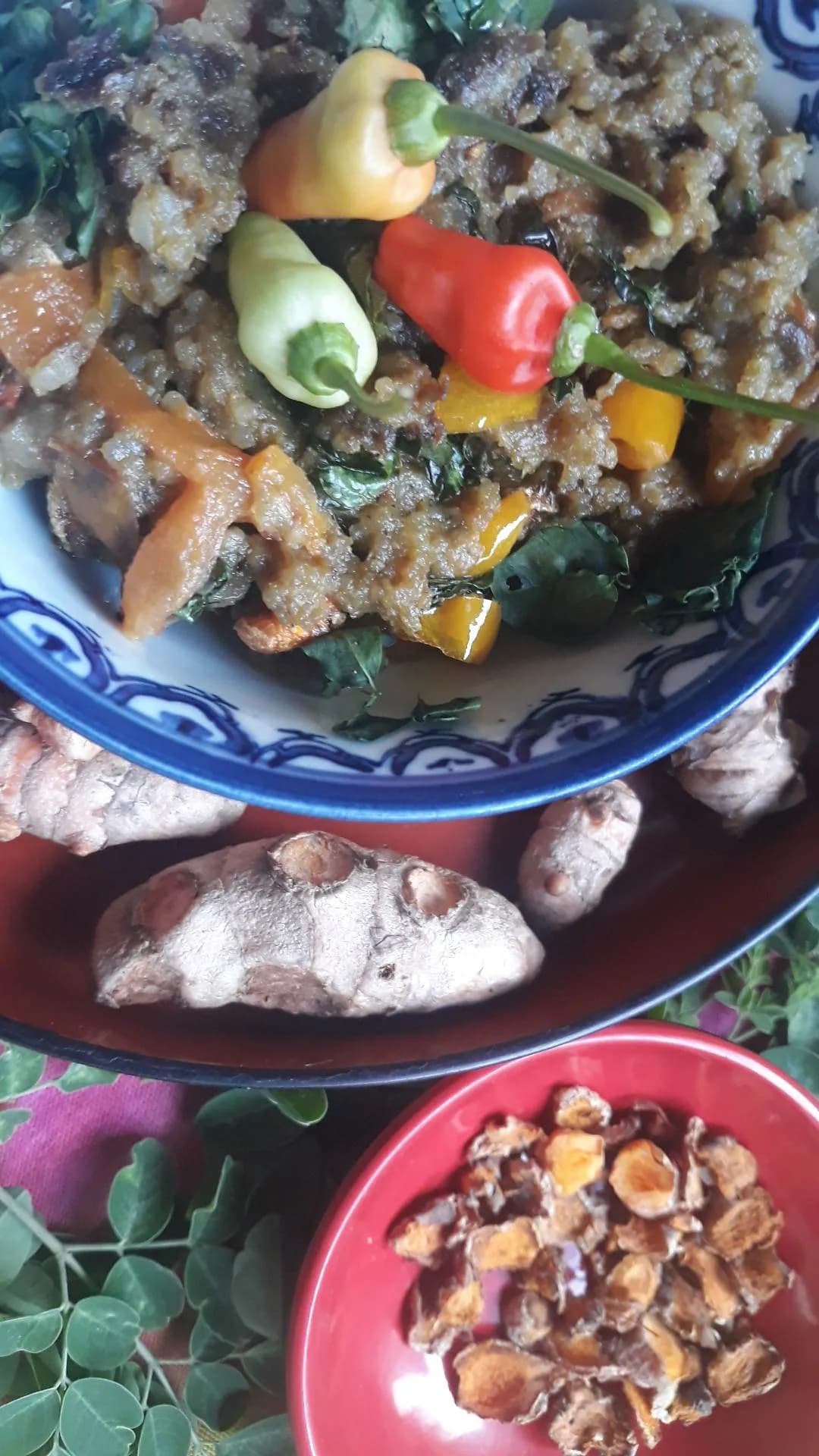 © Elmer Centeno Guevarra on Wikimedia Commons · CC BY-SA
Food
Was Candaba named after a place called Candawe, or after the big jars of fermented fish its people sold? Two stories.
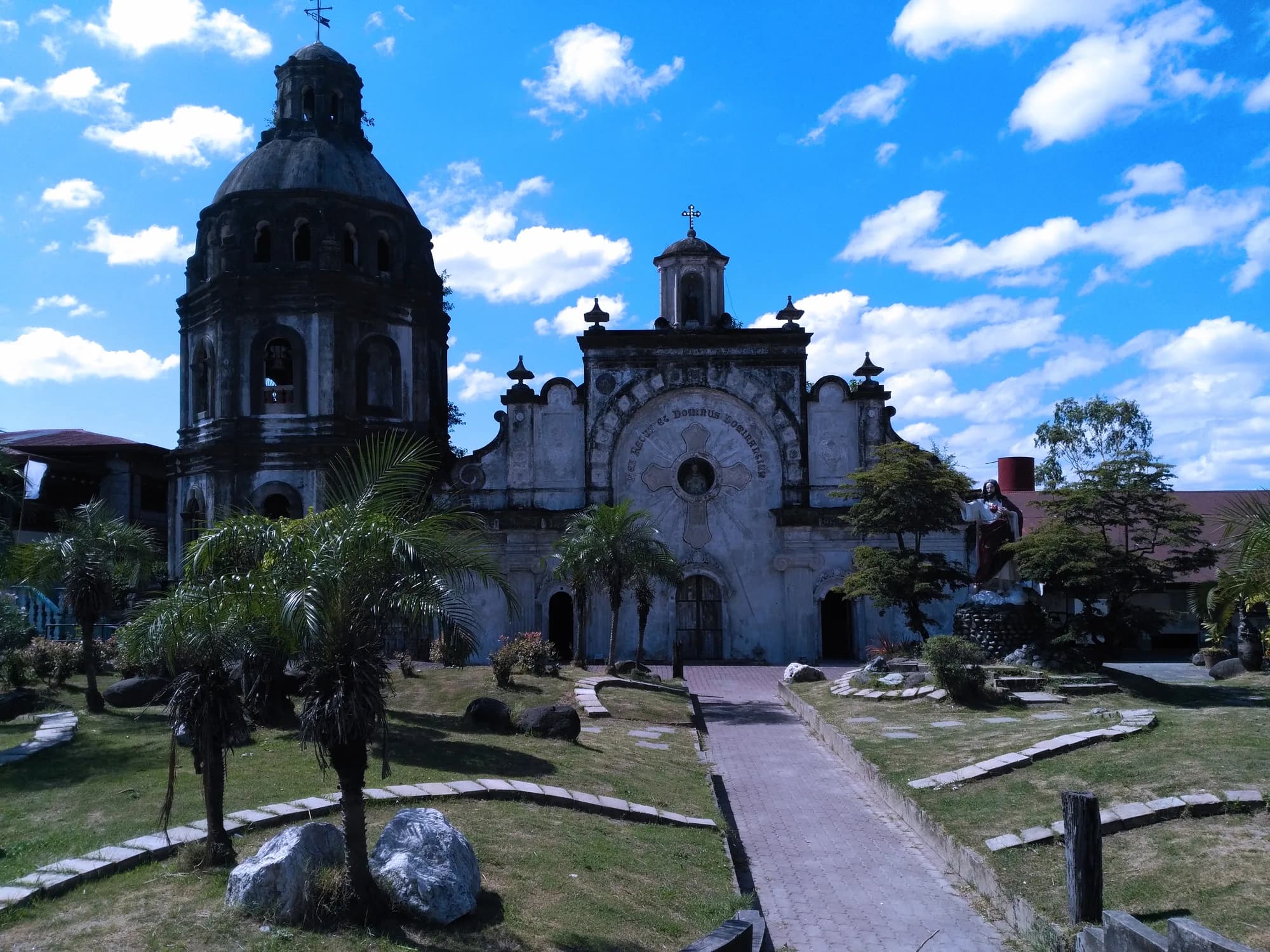 © Robert Joshua Busalla on Wikimedia Commons · CC BY
Community
How lahar from Mount Pinatubo raised the ground around San Guillermo Church, and why Bacolor kept praying inside it.
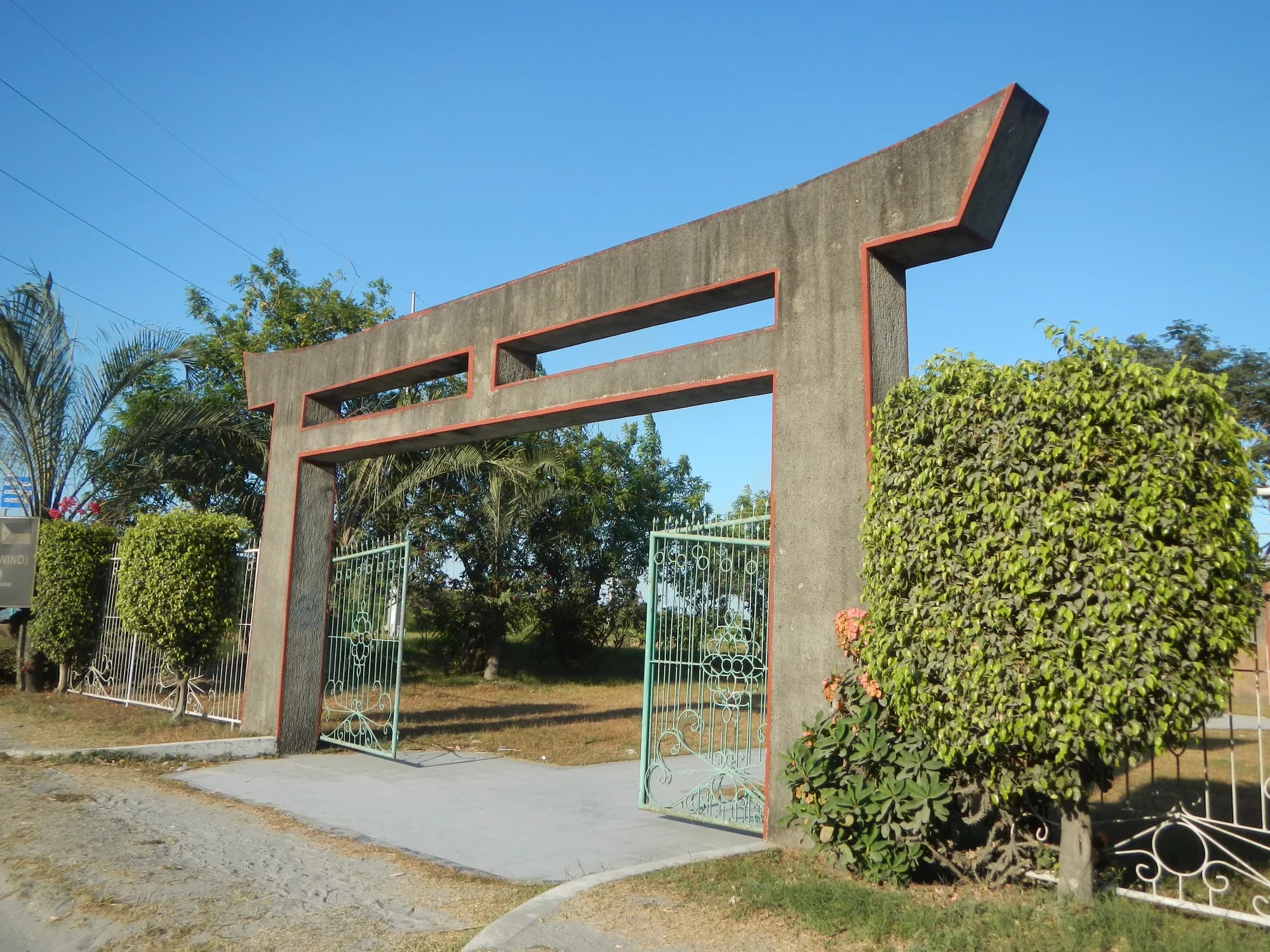
History
How a wartime airstrip in Mabalacat became the launch point of the first kamikaze mission, and later a memorial for peace.
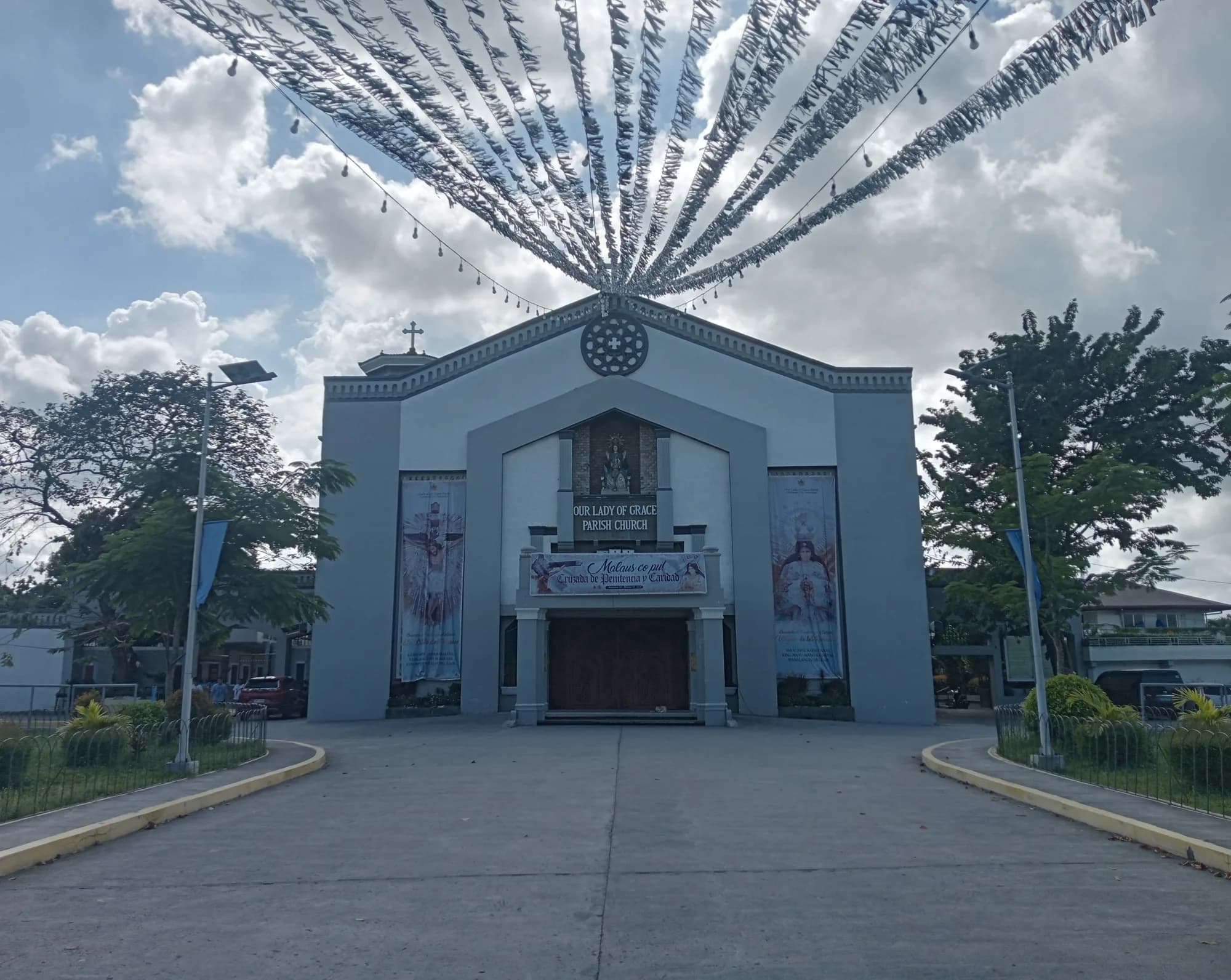 © Ralff Nestor Nacor on Wikimedia Commons · CC BY-SA
History
No document records Mabalacat's founding. Its people tell instead of an Aeta chieftain, his wife and a forest of balacat trees.
 © Ralff Nestor Nacor on Wikimedia Commons · CC BY-SA
History
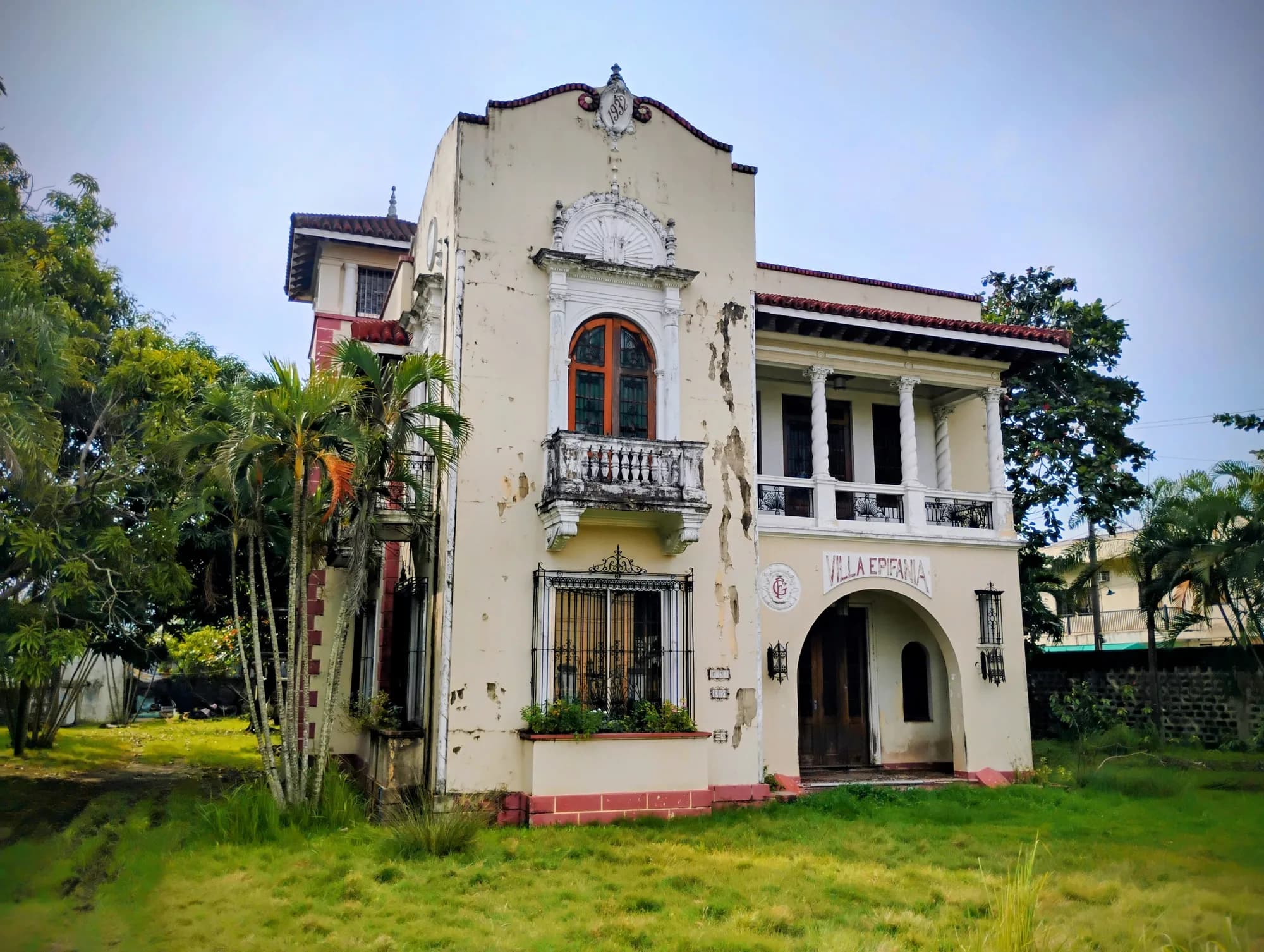
An all-concrete 1930s mansion that sheltered officers, guerrillas and, later, a Lino Brocka film crew.

History
A small town that lays a million eggs a day, and how it got its name from a church that moved.
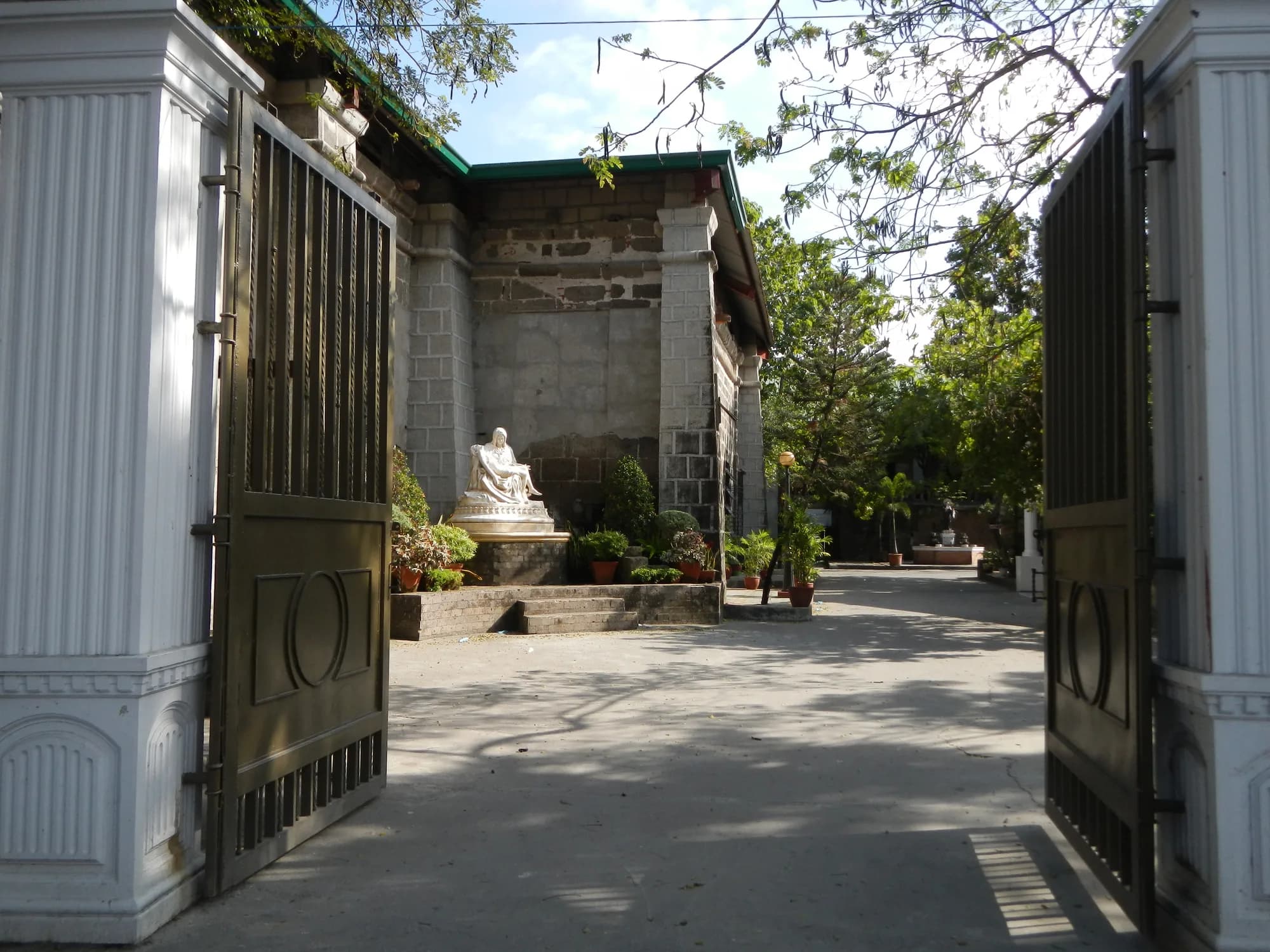 © Ramon FVelasquez on Wikimedia Commons · CC BY-SA
Culture
A 1619 painted map, four patio chapels and a hidden carved heart: why Minalin's church is a National Cultural Treasure.
Culture
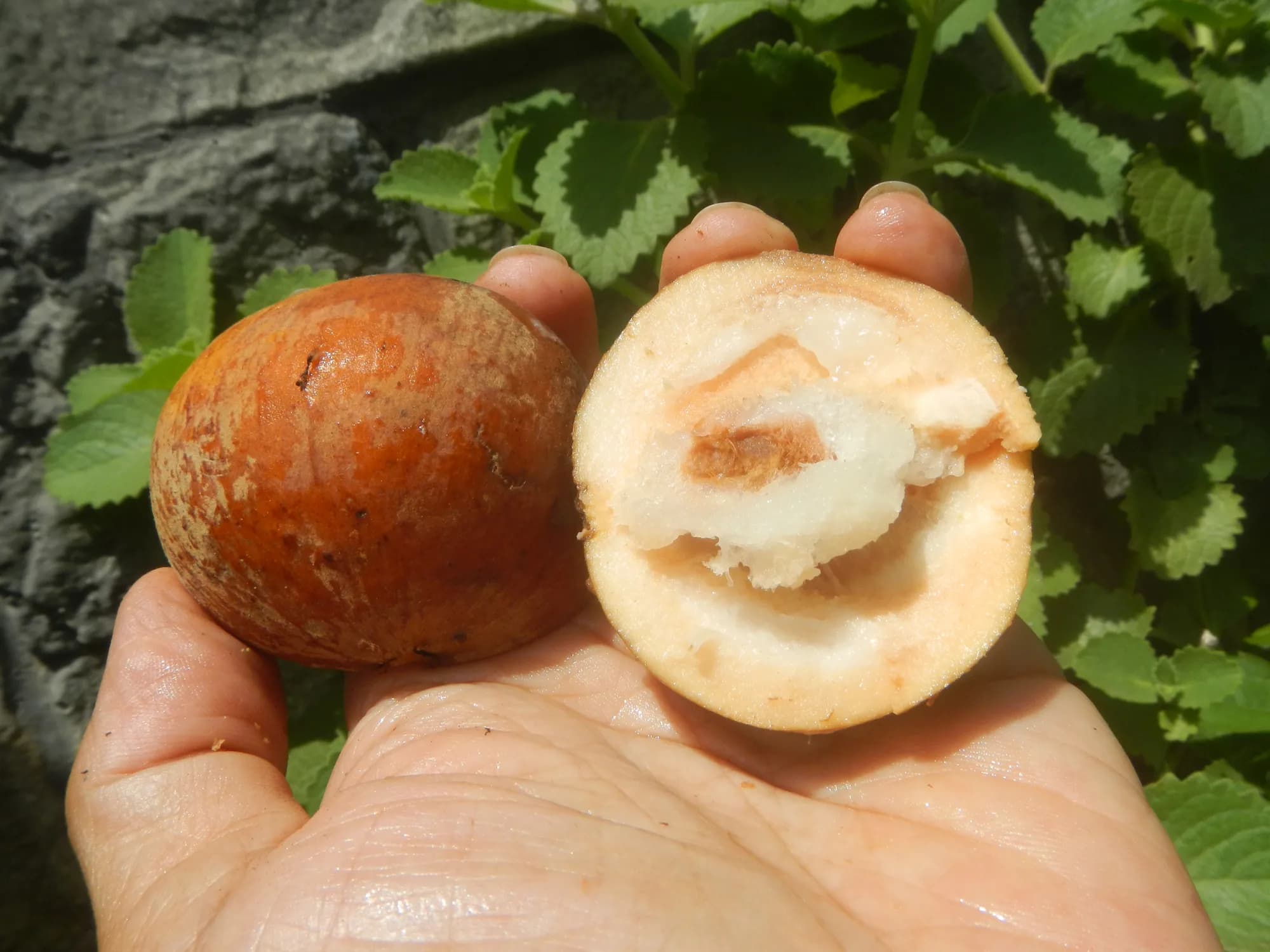
How a Spanish friar, a fruit vendor and a pueblo of San Miguel gave Pampanga's southernmost town its name.
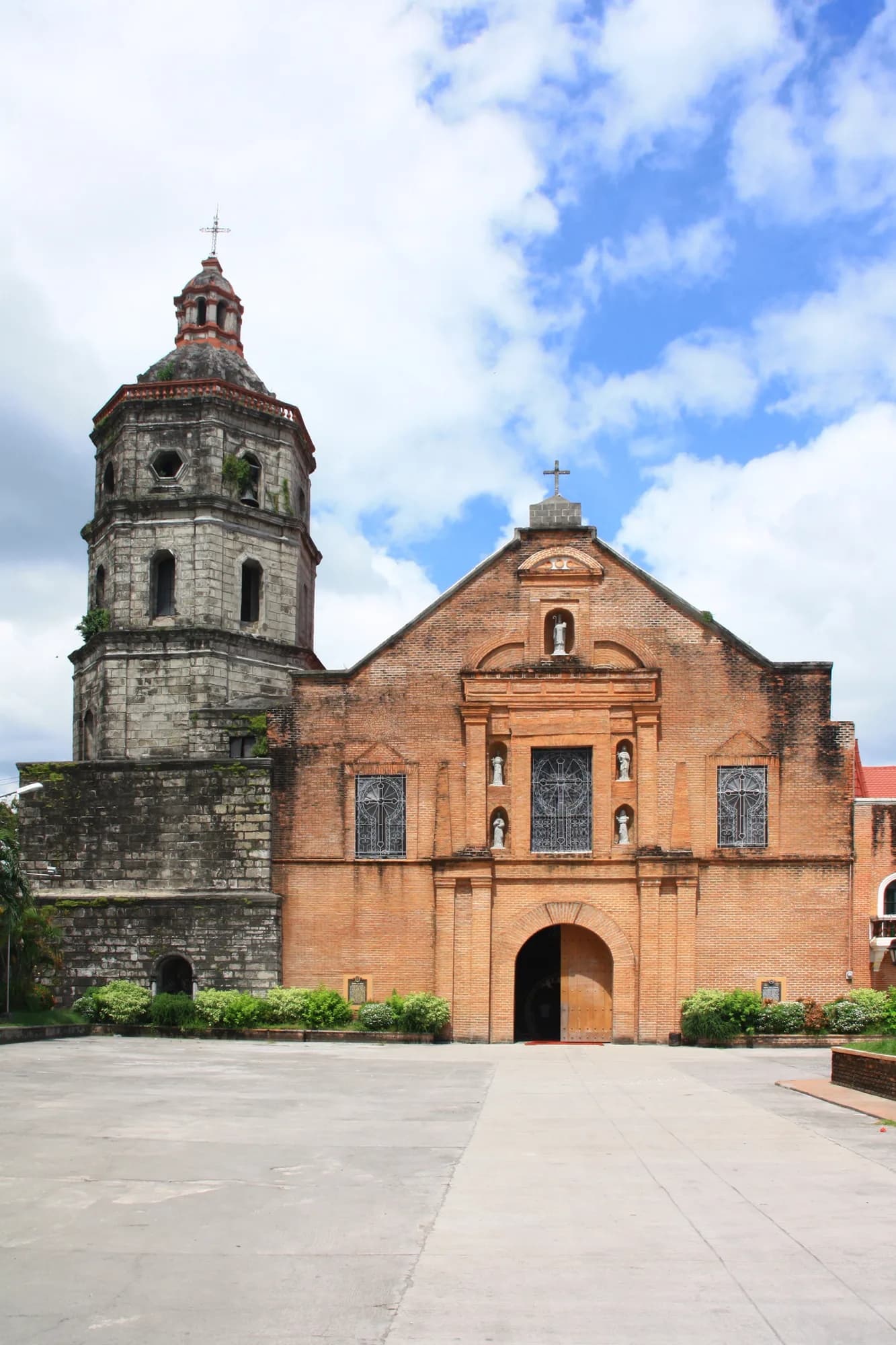 © JJ Carpio on Wikimedia Commons · CC BY-SA
Culture
Why Lubao, low and muddy by name, claims to be Pampanga's oldest town and the cradle of Kapampangan culture.
History
In 1603, Chinese families fleeing violence in Manila found refuge in Guagua. Their walled quarter shaped the town's trade.
Culture
Why Apalit calls itself the blacksmith capital of Pampanga, and its link to the 16th-century cannon maker Panday Pira.
History
How a riverside barrio of Apalit hosted business, politics and even a Russian grand duke in the late 1800s.
History
From the tardy churchgoers of Baliwag to an executive order in 1951: the long road to independence of Sto. Tomas.
History
How a San Luis farm boy became Supremo of the Hukbalahap, and the 2023 monument that honours him and 400 fighters.
Culture
Why San Luis was once called Cabagsac, and how its parish church still shares its roof with fruit bats.