Nature
Birdwatching in the Candaba Swamp
See migratory birds in the Candaba wetlands from November to February, best in the early morning; the sanctuary floods in the rainy months.
Candaba
Town
Wetland town whose Candaba Swamp draws thousands of migratory birds, also known for melons.
Candaba is a municipality of 33 barangays with about 119,000 residents at the 2020 census. Most of it is taken up by the Candaba Swamp, which absorbs floodwaters from the western Sierra Madre: flooded in the rainy season and farmed in the dry season.
The swamp is a yearly stop for migratory ducks and other birds. In January 2008 a 24-hour count recorded 17,000 birds, a Philippine record. Candaba is also known for its melon production.
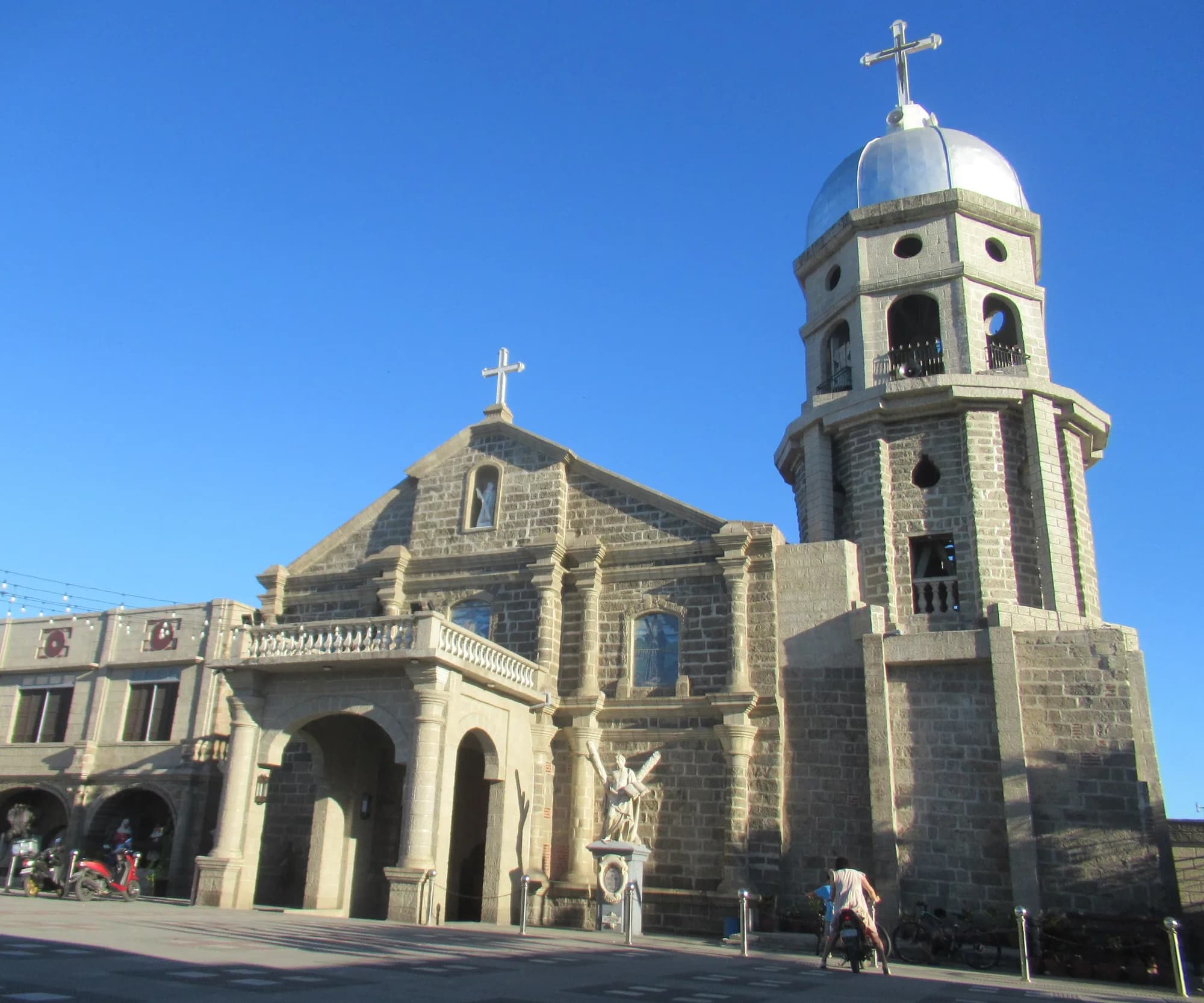
The town's oldest parish, San Andres Apostol, was founded in 1575. In Bahay Pare, the Nuestra Señora de la Merced Parish holds what is described as the oldest image of Our Lady of Mercy in the Philippines.
Migratory birds use the Candaba Swamp as a yearly sanctuary. A record 17,000 birds were counted in a single day in January 2008, so the cooler months are a good time to go.
The Candaba Swamp and its migratory birds, melon farming, and old parishes including San Andres Apostol, founded in 1575.
The Candaba Swamp is also called Pinac. A statue known as Nuestra sa Pinac, blessed in 2021, stands along the Candaba-Baliuag Road.
Nature
See migratory birds in the Candaba wetlands from November to February, best in the early morning; the sanctuary floods in the rainy months.
Attractions
Market for Candaba's freshwater fish, prawns, lotus stalks, buro and salted duck eggs, with fried quail in the afternoon.
Attractions
Large Spanish colonial residence inside a school compound in Buas, visible from the Candaba-Santa Ana Road.
Attractions
Roadside shrine with a massive statue of the Virgin Mary on the Candaba-Baliwag Road in Paligui.
Attractions
Parish in Bahay Pare that serves Candaba's swampland barangays and keeps the venerated image of Apung de la Merced.
 © Valenzuela400 (uploader) on Wikimedia Commons · CC BY-SA
Attractions
Candaba's Spanish-era Baroque parish church, founded in 1575, once a grammar school and a refuge for Manila's friar students.
Family Stays
Agritourism resort on the San Luis-Baliwag Road in Barangay Talang, Candaba.
Family Stays
Resort in Barangay Pasig, Candaba, with overnight rooms, swimming pools, gardens and an aviary.
 © Wikimedia Commons contributor · CC BY-SA
Mon
30
Nov
Mon, Nov 30
Town fiesta of Candaba for its patron Apung Dalis, Saint Andrew, at the parish founded in 1575.
Itineraries
One day in Candaba: dawn birdwatching in the swamp, the 1575 parish and roadside shrines, and a market lunch of fish and buro.
Travel Guides
Candaba has few restaurants, but its market is a feast: freshwater fish, prawns, buro, lotus stalks and mild salted duck eggs.
Travel Guides
When to go, what to bring and how to visit Candaba's working wetlands responsibly.
Getting Around
Routes to Candaba via NLEX and Jose Abad Santos Avenue, jeepneys from San Fernando and the Baliwag Transit bus from Caloocan.
Culture
Candaba's 1575 parish was once a grammar school and, during the British occupation, a refuge for Manila's friar students.
Community
Birds, rice and fish share Candaba's wetlands. Why conservation here starts with the farmers.
Food
Was Candaba named after a place called Candawe, or after the big jars of fermented fish its people sold? Two stories.