Attractions
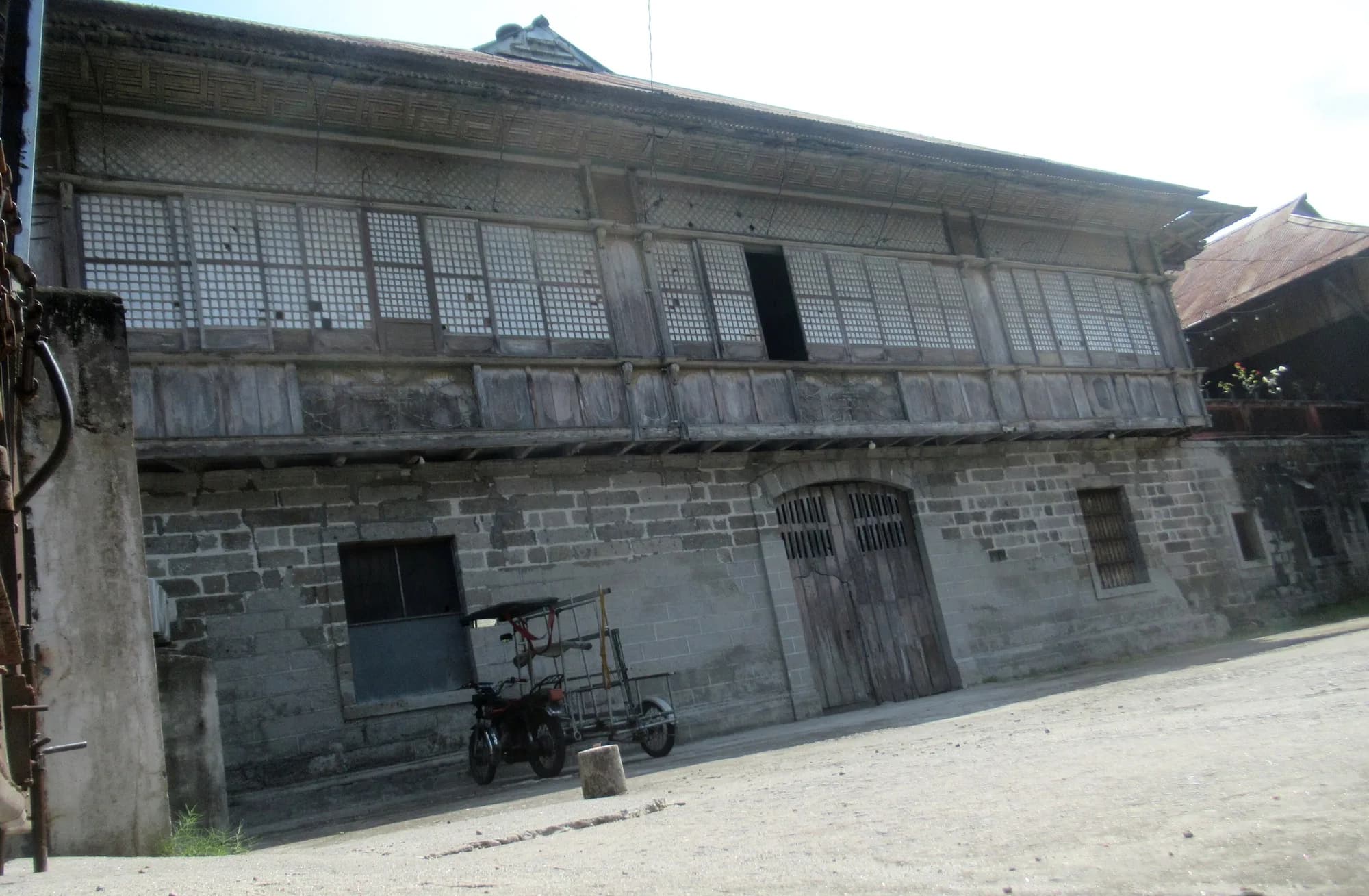
Medina Ancestral House, Arayat
Spanish-era private residence from 1840 on P. Tan Street, also called the Calo-Medina house.
Arayat
Directory
Attractions
Spanish-era private residence from 1840 on P. Tan Street, also called the Calo-Medina house.
Attractions
Small cascade at the foot of Mount Arayat in Barangay Baliti, near Gintung Pakpak Ecopark.
Attractions
Eco park at the foot of Mount Arayat in Baliti, with forest groves and a man-made reservoir.
Attractions
Artist Jesus Padilla's 'Stone House' at the foot of Mount Arayat, built from cement and crushed mountain rock and modelled on Angkor Wat.
 © Ralff Nestor Nacor on Wikimedia Commons · CC BY-SA
Attractions
Arayat's 1753 Renaissance-style church of Saint Catherine of Alexandria, 70 metres long, with an arcaded upper facade.
Attractions
Town market on Jose Abad Santos Avenue in Parian, in the heart of Mexico's old commercial district.
Attractions
Monument to General Maximino Hizon, Mexico's revolutionary hero who died in exile in Guam in 1901.
Attractions
The Sandico family's 1827 colonial house in Parian, now an events venue open Monday to Saturday.
Attractions
Spanish-era ancestral house on Arayat Road in Mexico's Parian, home of the Rivera and Panlilio families.
 © CNEcija12345 on Wikimedia Commons · CC BY-SA
Attractions
Spanish-era mansion of one of Pampanga's elite families on 2nd Street in Mexico's Parian district.
 © Joelaldor on Wikimedia Commons · CC BY-SA
Attractions
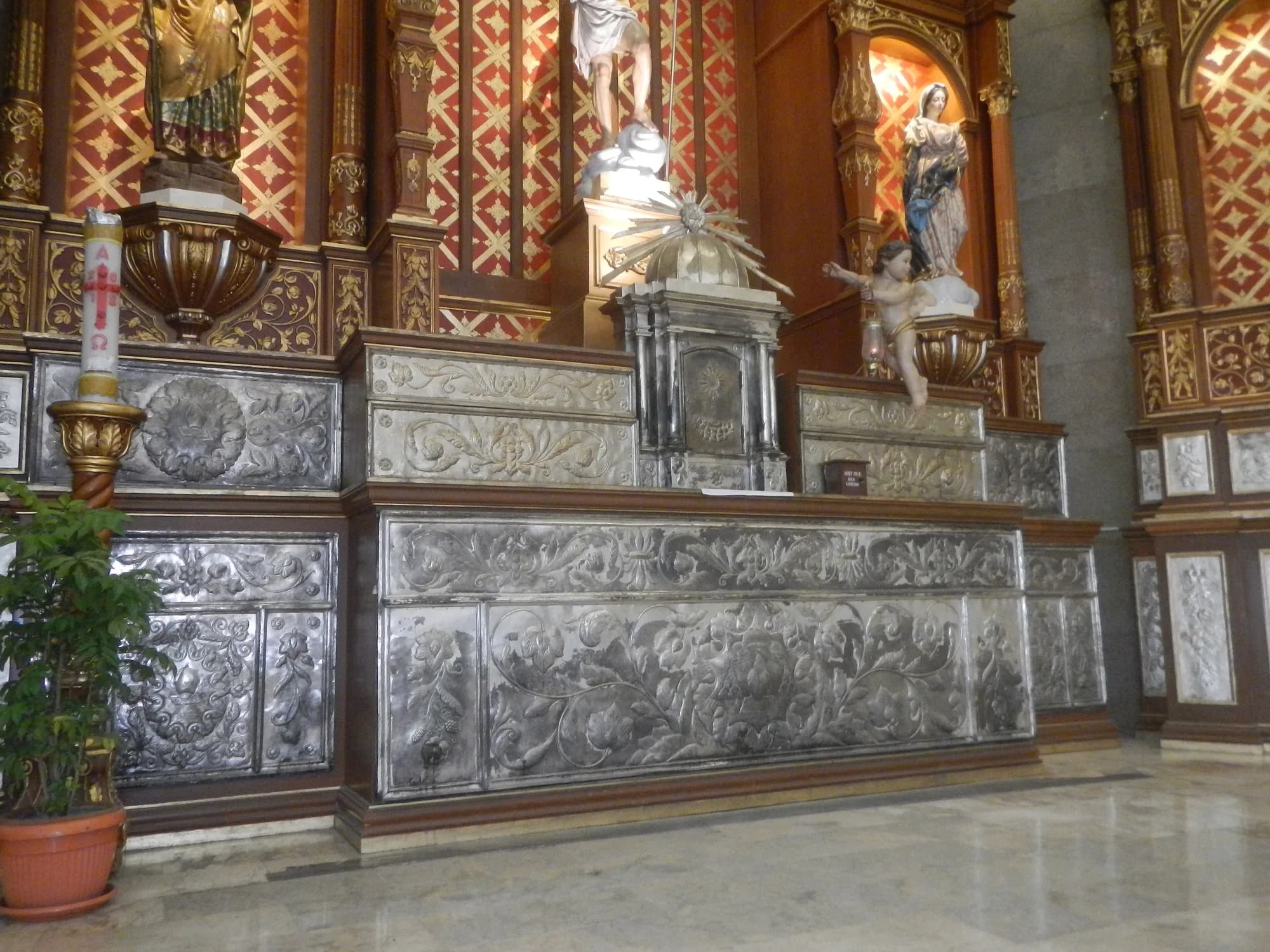
Rare Spanish-era chapel of Our Lady of the Rosary in Barangay Sabanilla, Mexico.
Attractions
Mexico's parish of Saint Monica, rebuilt in a modern style after the 1880 earthquake left only its old belfry standing.
Adventure
Watch waterbirds such as egrets and curlews at the Ramsar-listed Sasmuan wetland, by boat and by arrangement with local authorities.
Attractions
Riverside market of a fishing town, beside the church and the footbridge to San Pedro.
 © Ralff Nestor Nacor on Wikimedia Commons · CC BY-SA
Attractions
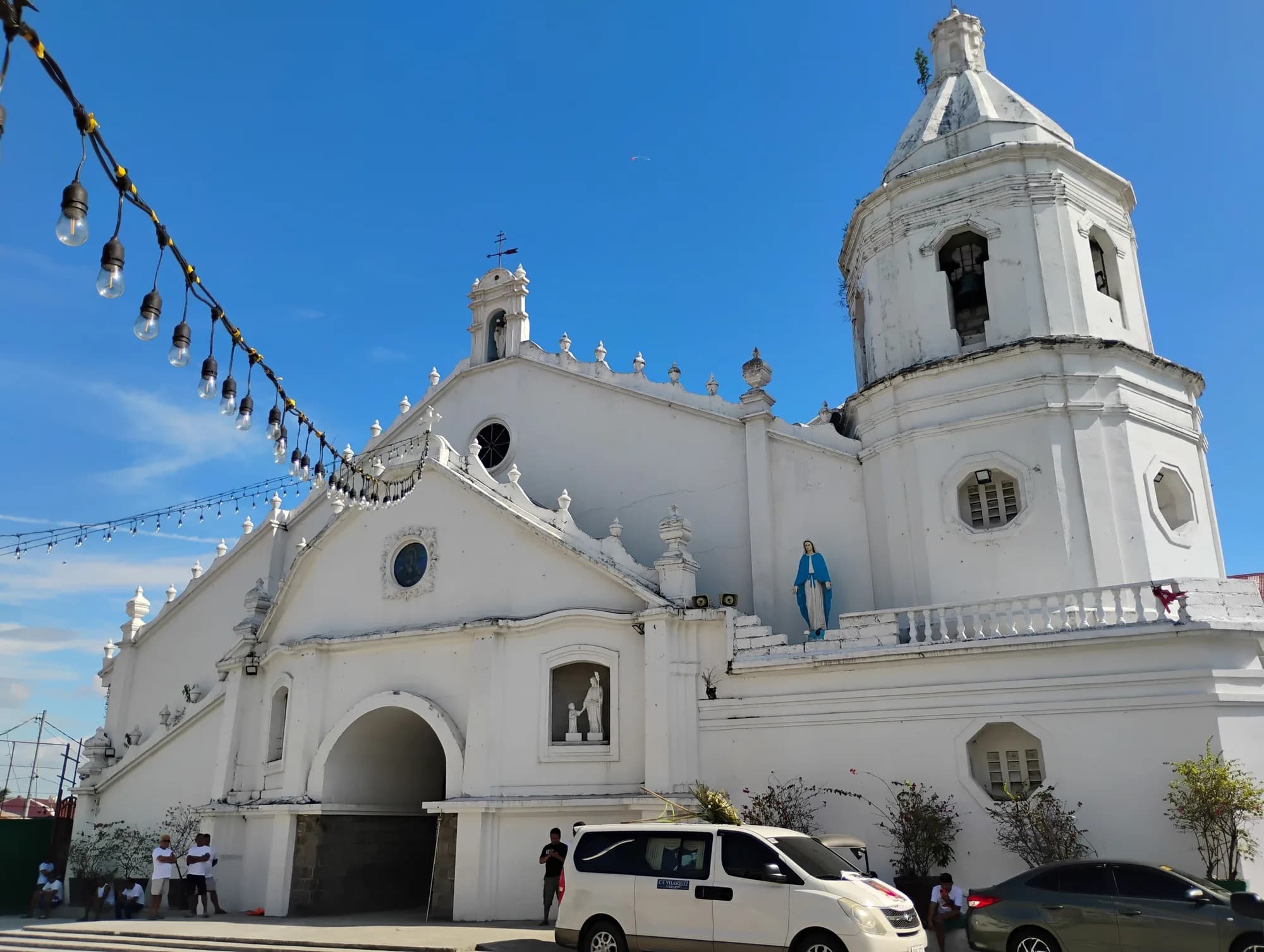
Sasmuan's Baroque church of Saint Lucy, an Augustinian foundation of 1590 with a distinctive pineapple-shaped cupola.
Nature
See migratory birds in the Candaba wetlands from November to February, best in the early morning; the sanctuary floods in the rainy months.
Attractions
Market for Candaba's freshwater fish, prawns, lotus stalks, buro and salted duck eggs, with fried quail in the afternoon.
Attractions
Large Spanish colonial residence inside a school compound in Buas, visible from the Candaba-Santa Ana Road.
Attractions
Roadside shrine with a massive statue of the Virgin Mary on the Candaba-Baliwag Road in Paligui.
Attractions
Parish in Bahay Pare that serves Candaba's swampland barangays and keeps the venerated image of Apung de la Merced.
 © Valenzuela400 (uploader) on Wikimedia Commons · CC BY-SA
Attractions
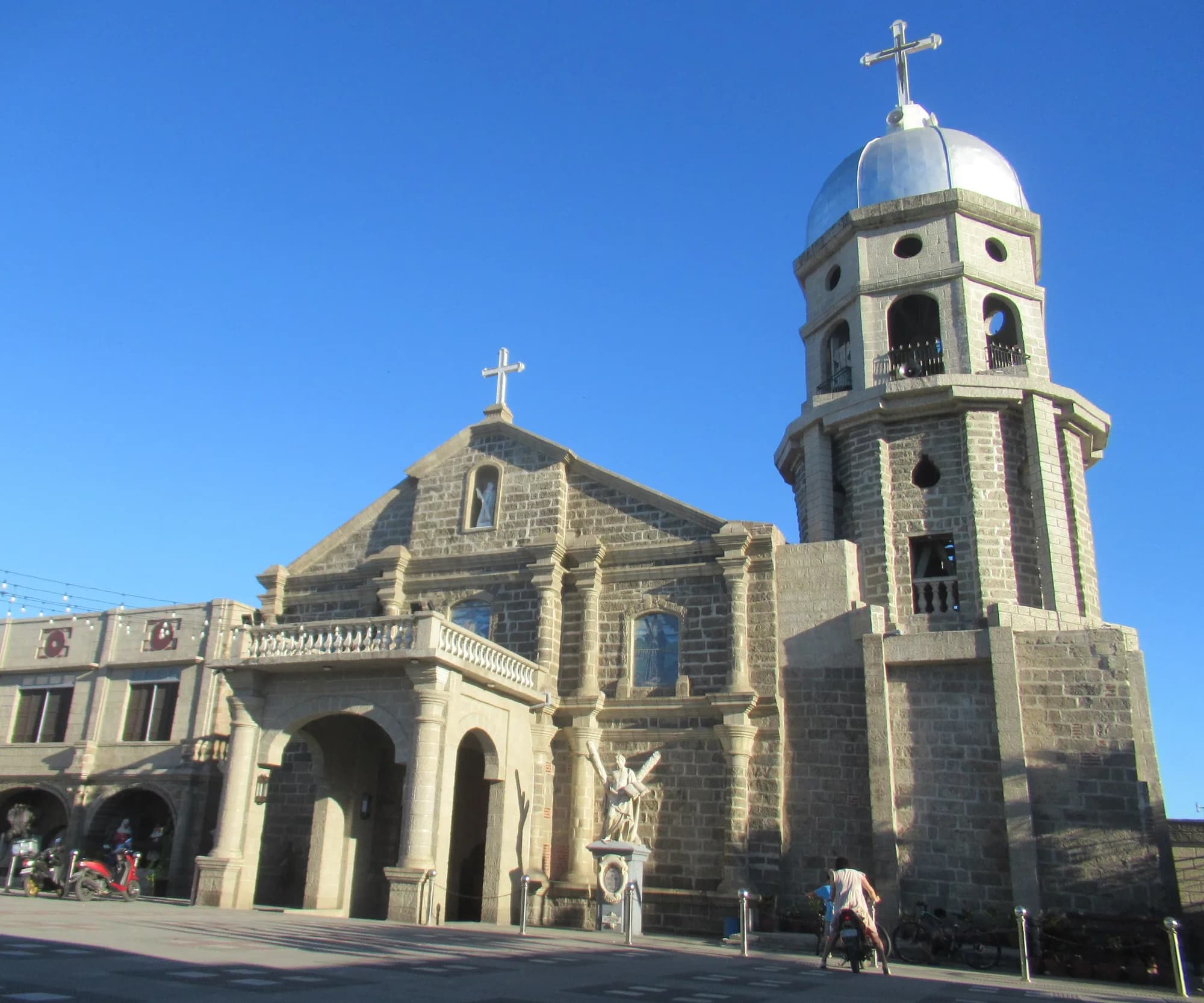
Candaba's Spanish-era Baroque parish church, founded in 1575, once a grammar school and a refuge for Manila's friar students.
Attractions
Bust of Juan Crisostomo Soto, Crissot, the Bacolor writer who launched the golden age of Kapampangan literature.
Attractions
Monument at the town hall to Governor Simon de Anda, who ran his government in exile from Bacolor during the British occupation of Manila.
Attractions
State university founded in 1861 as the Escuela de Artes y Oficios de Bacolor, counted among the oldest trade schools in the Far East.
For business owners
List free, or upgrade for featured placement where people browse this directory. Paid placements are always clearly labelled, so readers can trust what they see.
Multiple branches or a campaign in mind? Ask about a custom plan · Already listed? Find and claim your listing