 © Joelaldor on Wikimedia Commons · CC BY-SA
Attractions
Sabanilla Chapel (Nuestra Señora del Rosario)
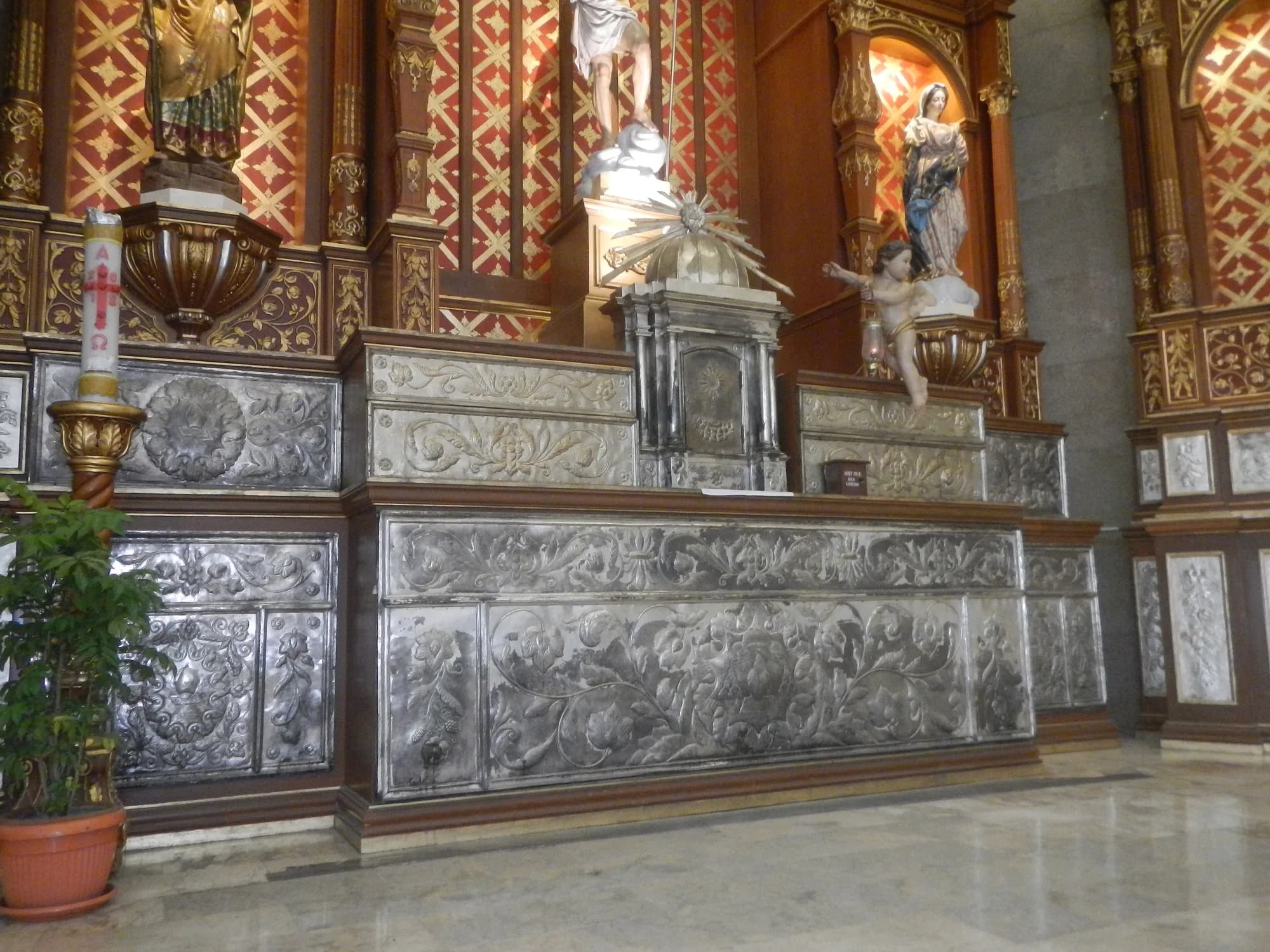
Rare Spanish-era chapel of Our Lady of the Rosary in Barangay Sabanilla, Mexico.
Mexico
Discover
© Joelaldor on Wikimedia Commons · CC BY-SAAttractions
Rare Spanish-era chapel of Our Lady of the Rosary in Barangay Sabanilla, Mexico.
Attractions
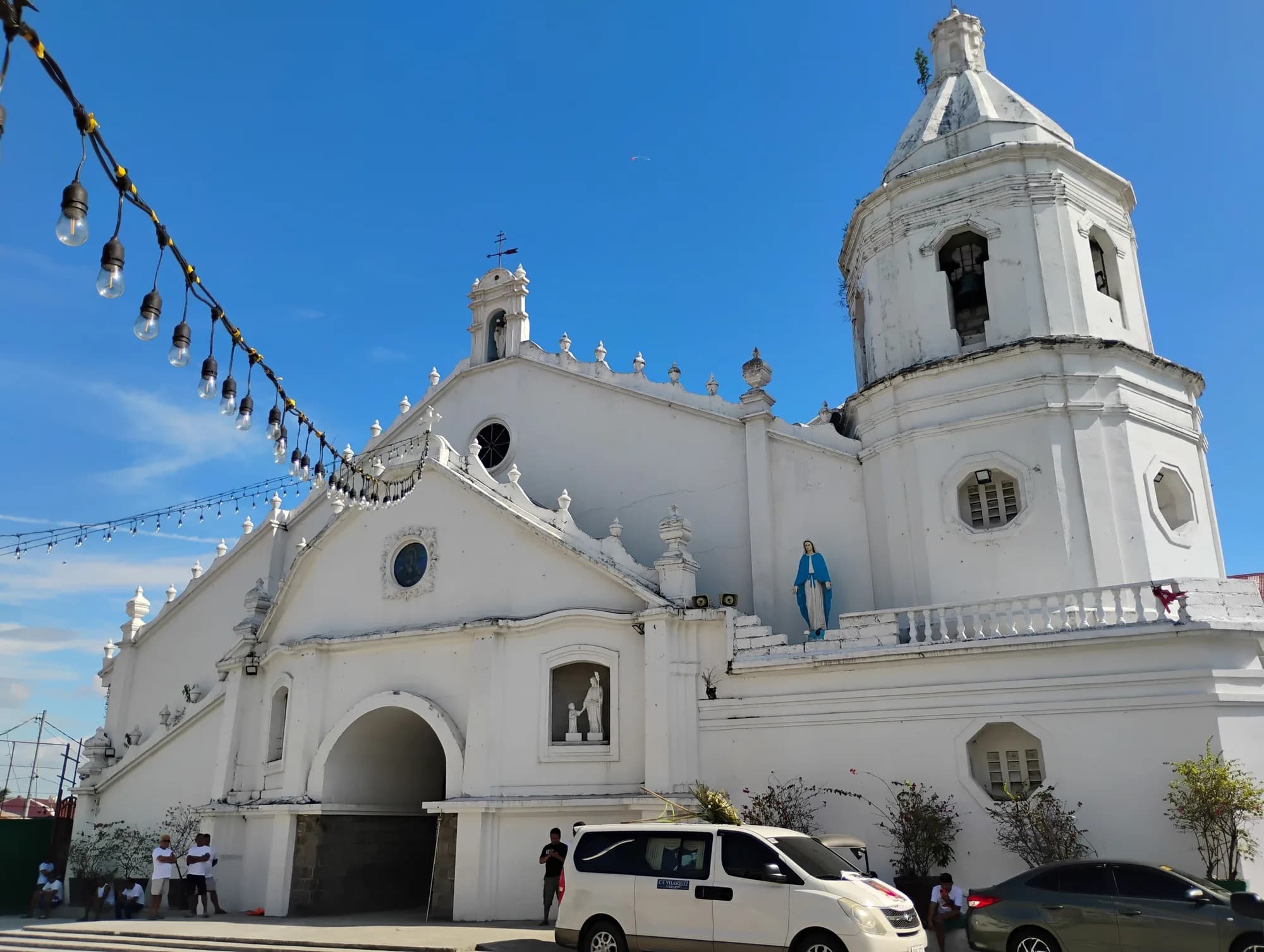
Mexico's parish of Saint Monica, rebuilt in a modern style after the 1880 earthquake left only its old belfry standing.
 © Ralff Nestor Nacor on Wikimedia Commons · CC BY-SA
Attractions
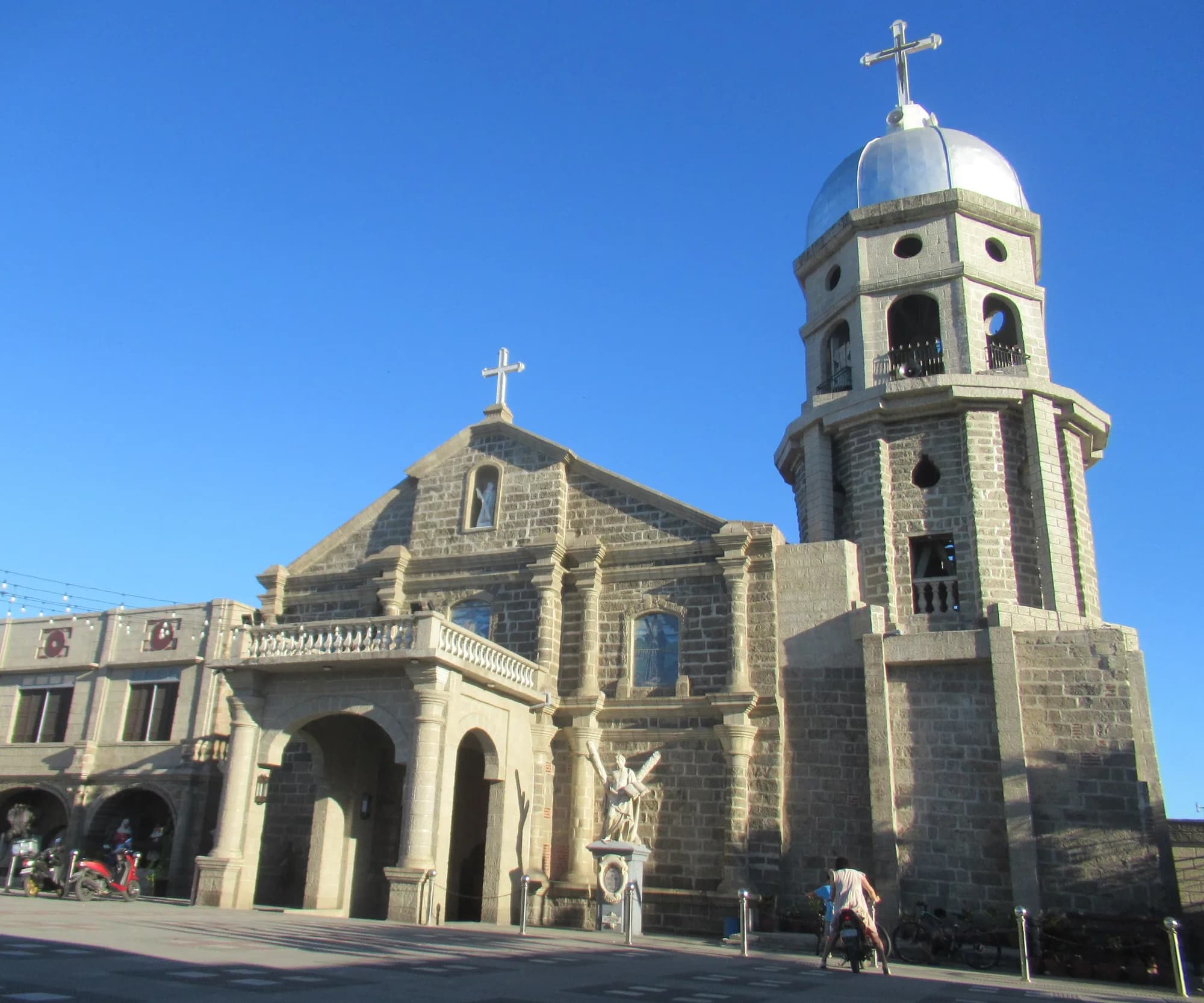
Sasmuan's Baroque church of Saint Lucy, an Augustinian foundation of 1590 with a distinctive pineapple-shaped cupola.
Attractions
Large Spanish colonial residence inside a school compound in Buas, visible from the Candaba-Santa Ana Road.
 © Valenzuela400 (uploader) on Wikimedia Commons · CC BY-SA
Attractions
Candaba's Spanish-era Baroque parish church, founded in 1575, once a grammar school and a refuge for Manila's friar students.
Attractions
Bust of Juan Crisostomo Soto, Crissot, the Bacolor writer who launched the golden age of Kapampangan literature.
Attractions
Monument at the town hall to Governor Simon de Anda, who ran his government in exile from Bacolor during the British occupation of Manila.
Attractions
State university founded in 1861 as the Escuela de Artes y Oficios de Bacolor, counted among the oldest trade schools in the Far East.
Attractions
Marian pilgrimage shrine in Cabetican, Bacolor, half-buried by Pinatubo's lahar and still a centre of prayer and healing.
Attractions
Mabalacat's town parish, where the choir keeps the old Pastorella tradition of Latin Christmas hymns.

Attractions
Memorial on the site of the airfield where the first organised kamikaze mission took off on October 25, 1944, built as a call for peace.
Attractions
Historic agricultural university founded as La Granja Modelo de Magalang in 1885, known for its Aglibut sweet tamarind.
 © Louiealdrin on Wikimedia Commons · CC BY-SA
Attractions
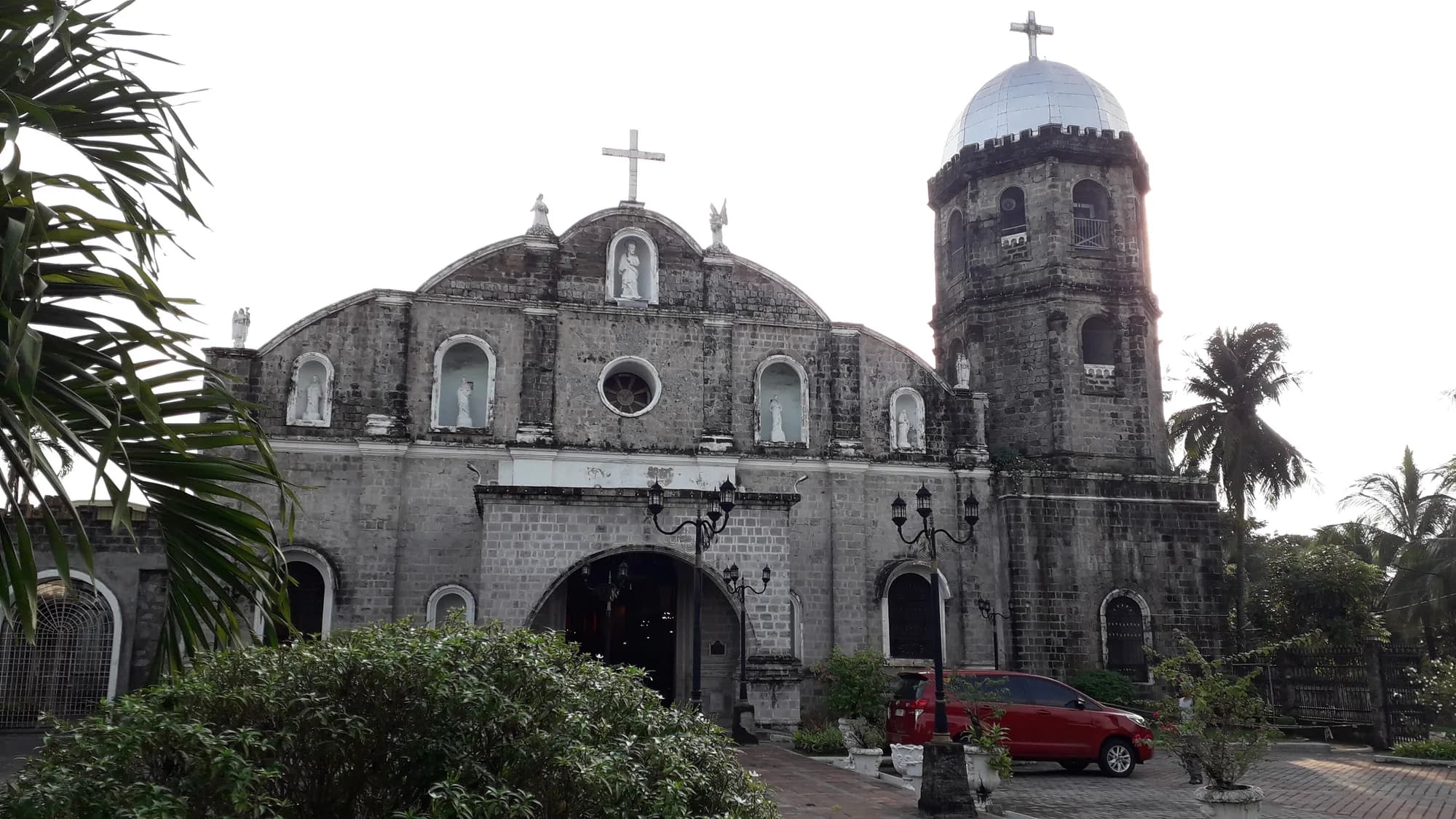
Magalang's parish of Saint Bartholomew, moved to the present town in 1863 after the Parua River swept away the old settlement.
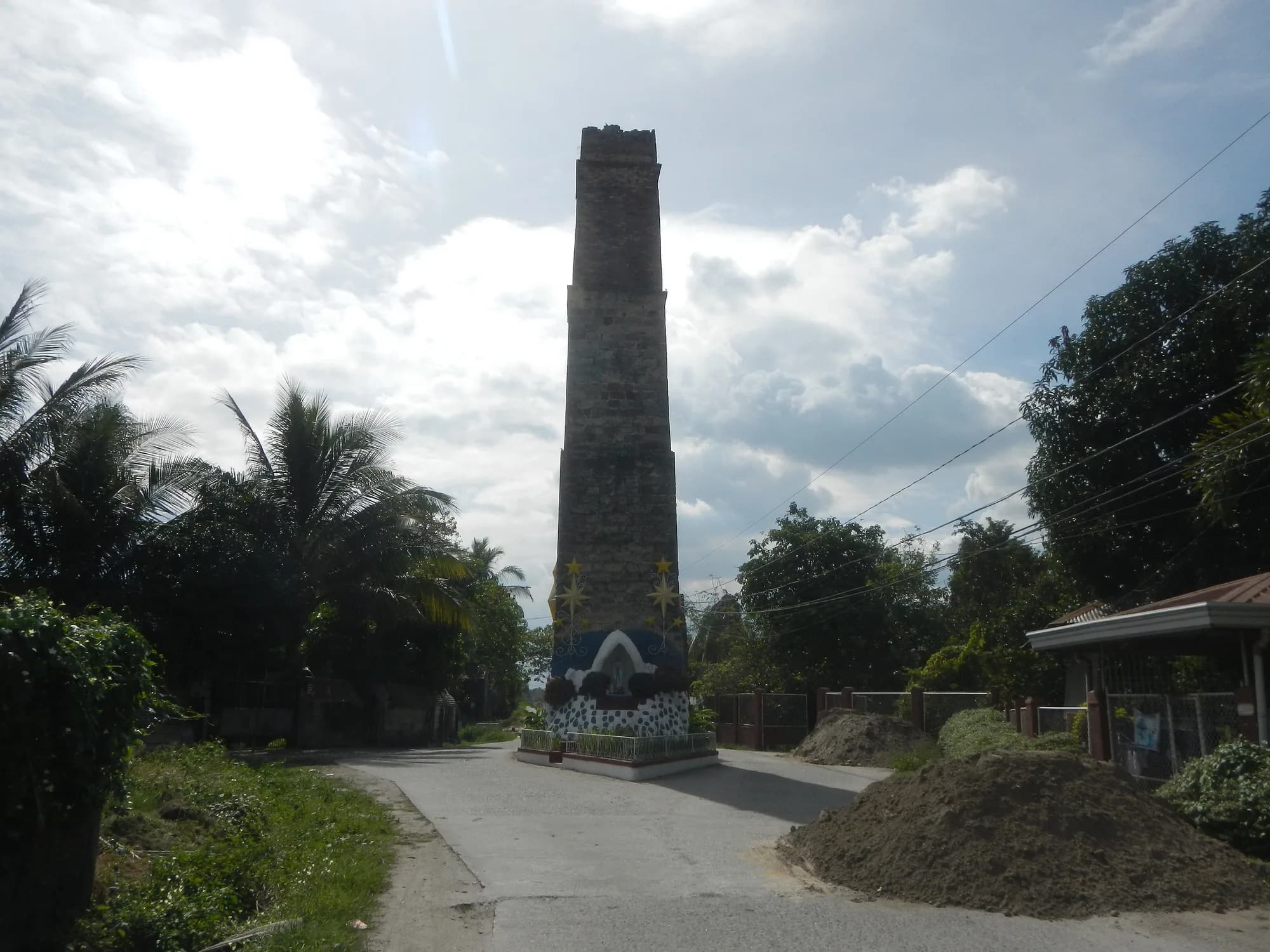
Attractions
Two Spanish-era signal towers from 1863 in Santa Cruz and San Isidro, regarded as important cultural properties.
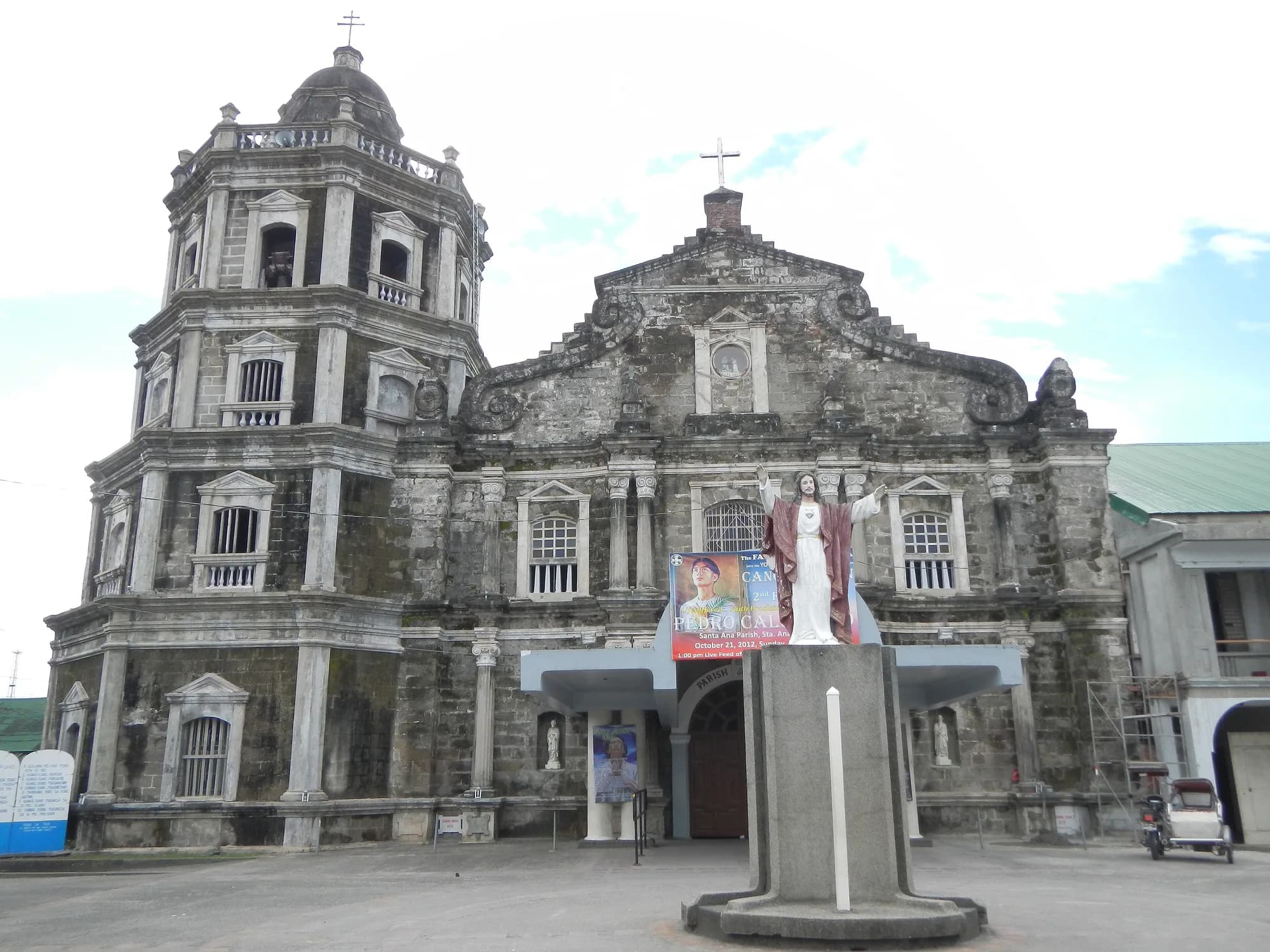 © Ramon FVelasquez on Wikimedia Commons · CC BY-SA
Attractions
Baroque 1850s church of Saint Anne with a five-tiered belfry, a bone relic of the saint and an NHCP marker from 2013.
Attractions
Retreat convent on the Santa Rita-Porac Road in San Matias, with a Spanish-era stone arch nearby.
Attractions
Ancestral house on Ocampo Street built in 1917 to 1918, said to hold saints carved by sculptor Maximo Vicente.
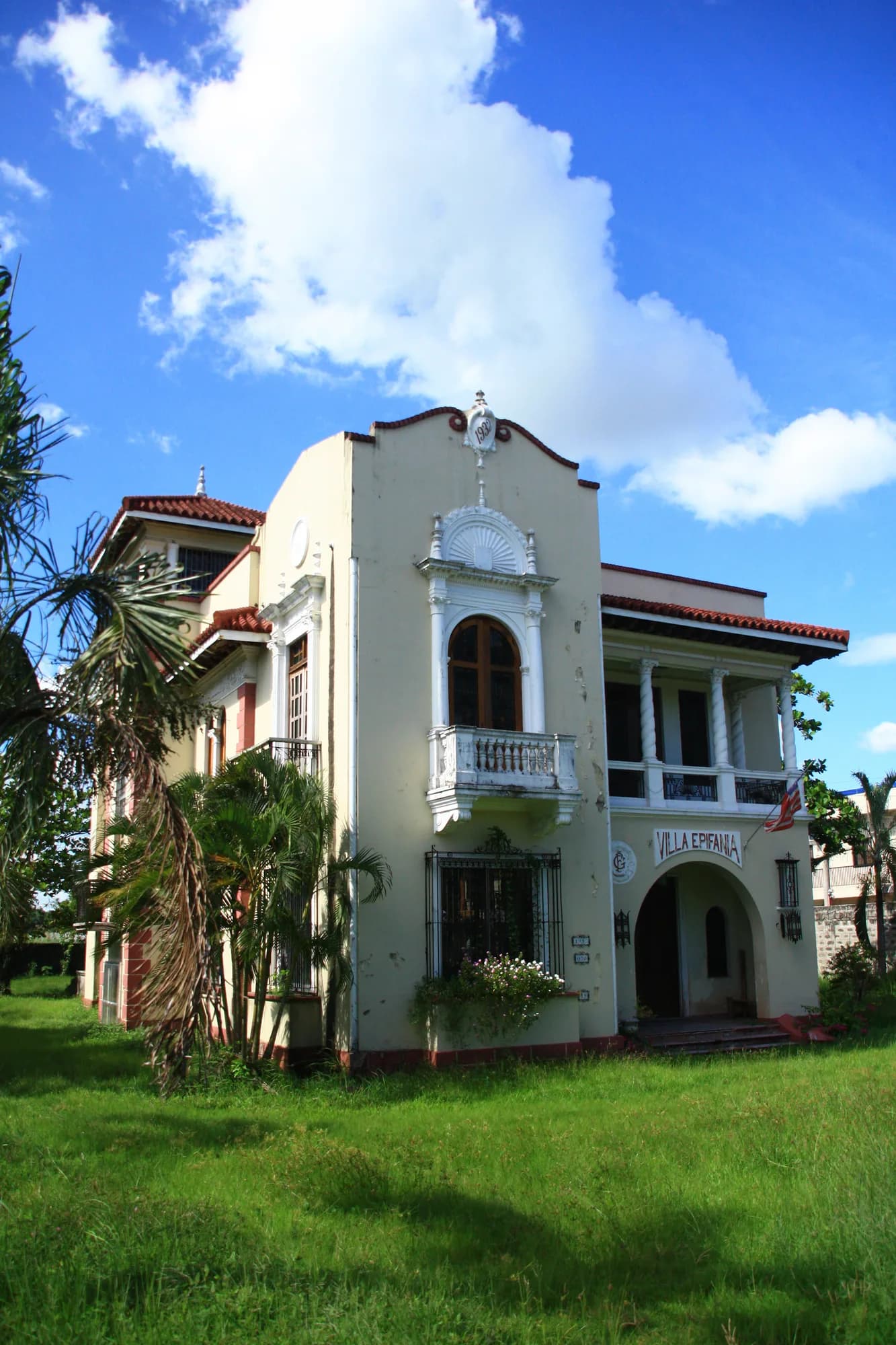 © JJ Carpio on Wikimedia Commons · CC BY-SA
Attractions
The 'Grand Old House of Santa Rita', an all-concrete 1931 to 1932 mansion seen in Lino Brocka's Tinimbang Ka Ngunit Kulang.
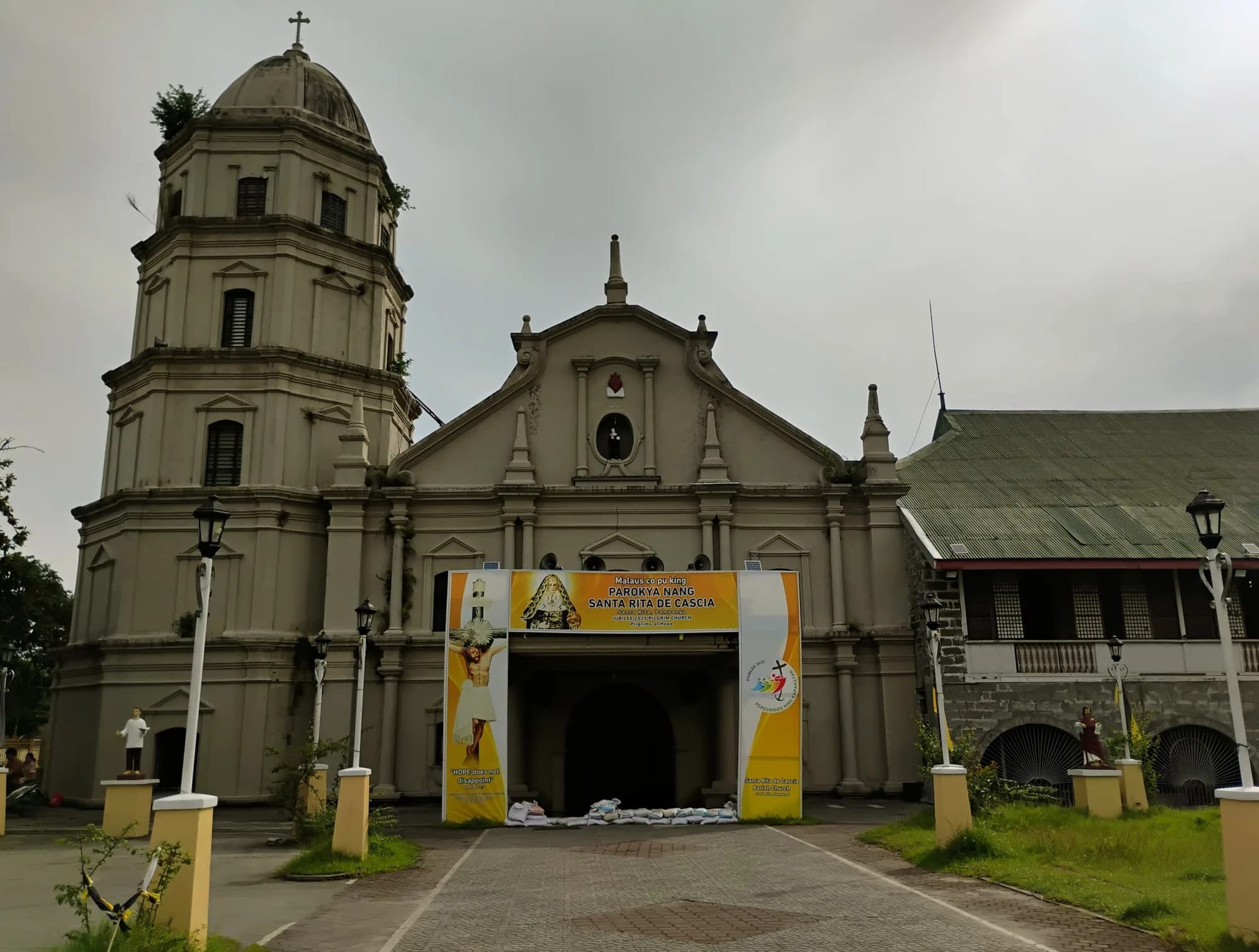 © Ralff Nestor Nacor on Wikimedia Commons · CC BY-SA
Attractions
Single-nave church of Saint Rita of Cascia, built 1839 to 1868, which keeps a first-class relic of the saint shown every August 17.
Attractions
Minalin's museum and library on the town plaza in San Nicolas.
 © Lucky lleo on Wikimedia Commons · CC BY-SA
Attractions
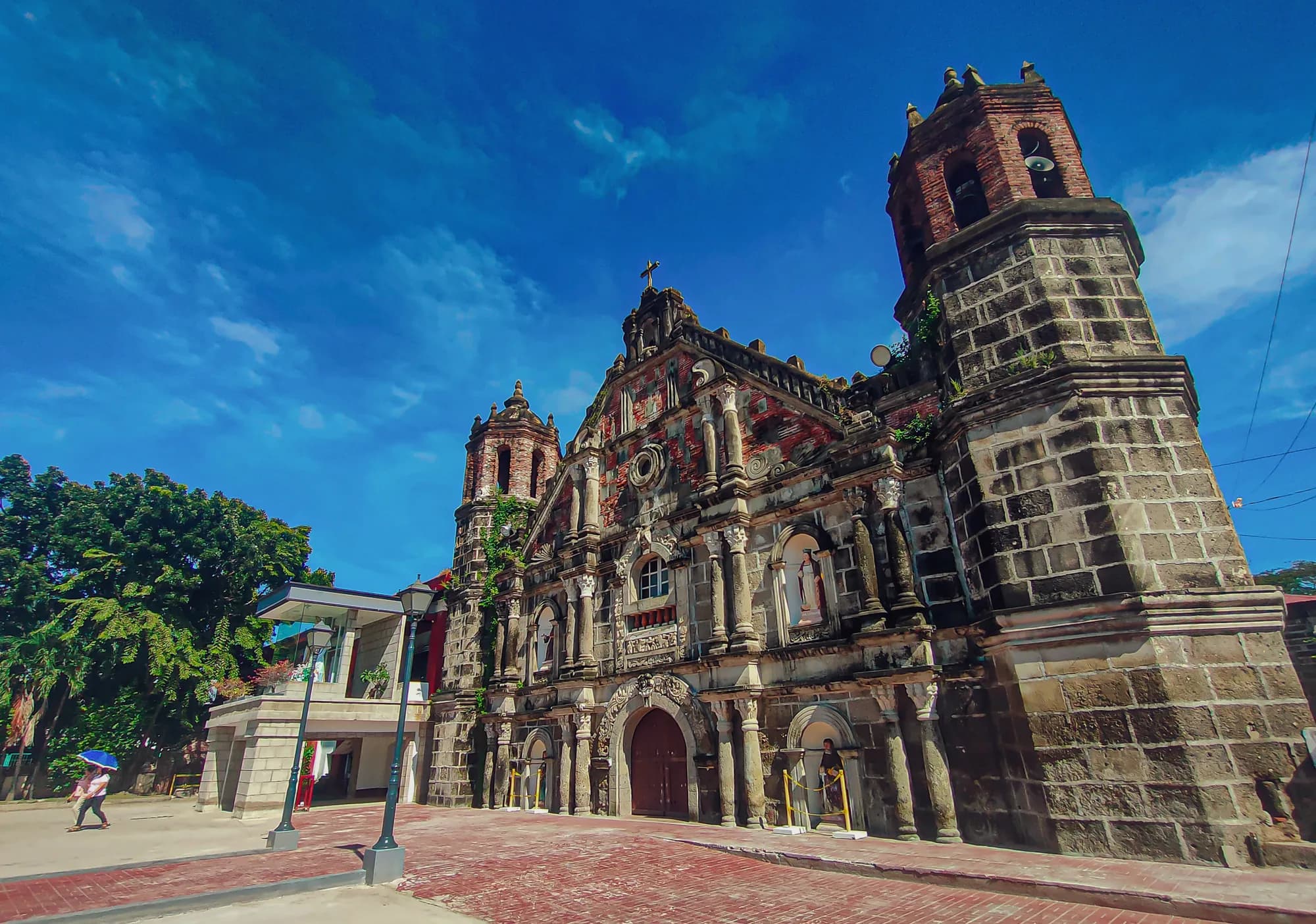
National Cultural Treasure with four unique capillas posas, twin hexagonal towers and a mural map dated 1619 in its convent.
 © Ralff Nestor Nacor on Wikimedia Commons · CC BY-SA
Attractions
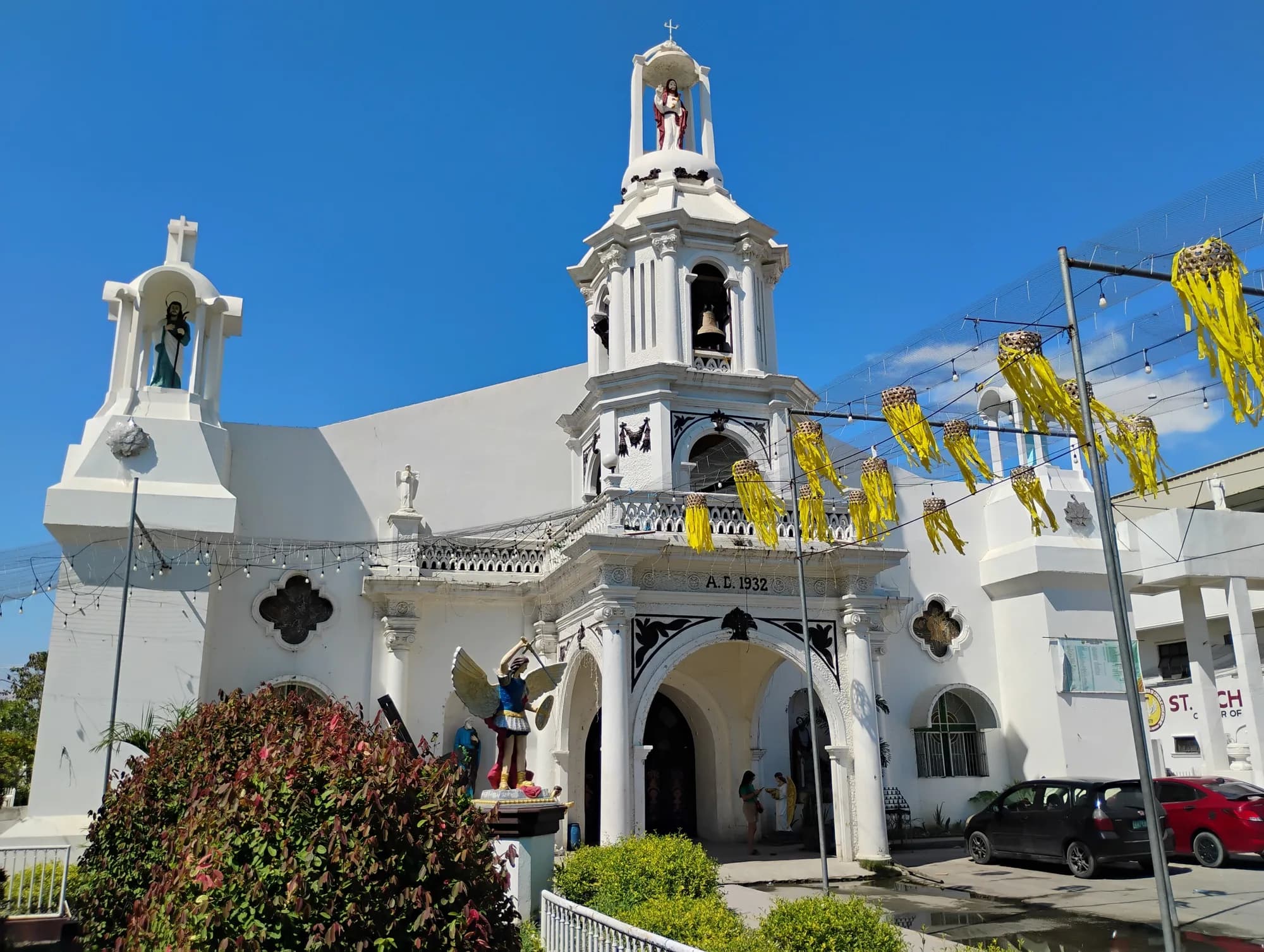
The last parish the Augustinians founded in Pampanga, erected in 1894, with a central bell tower and saints in canopied niches.
Attractions
Park and museum in San Nicolas 1st, Lubao, named after Jose B. Lingad.
 © Ralff Nestor Nacor on Wikimedia Commons · CC BY-SA
Attractions
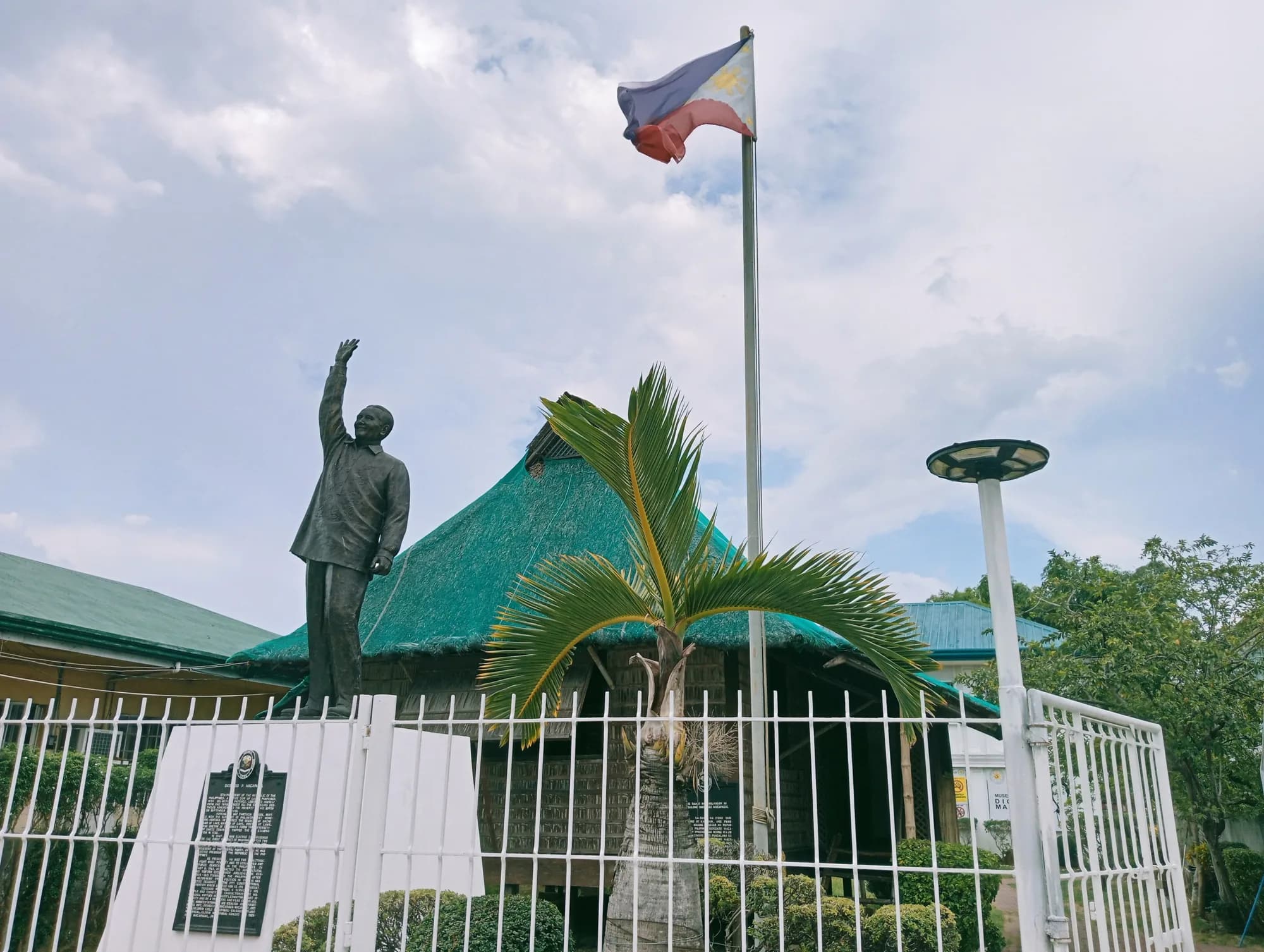
Interactive museum and library in San Nicolas 1st on the life and times of President Diosdado Macapagal, a native of Lubao.